
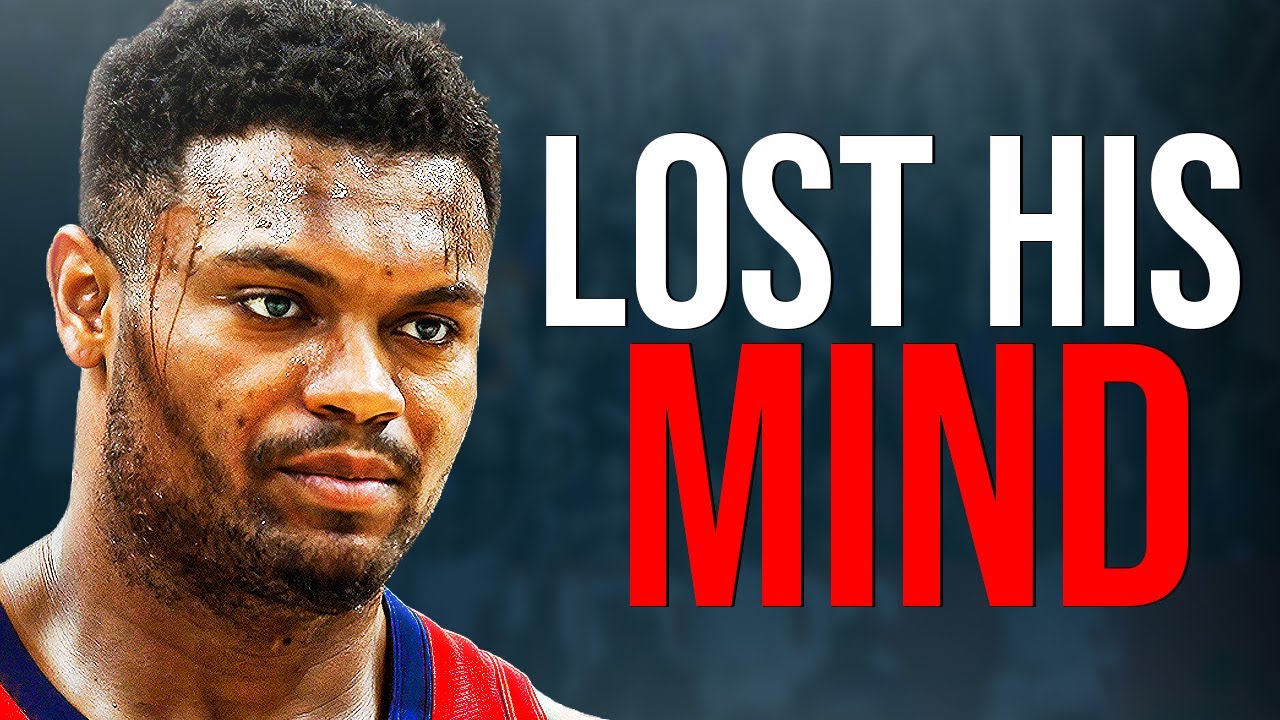
The Rise, Collapse, and Silent War of Zion Williamson
What if I told you Zion Williamson’s biggest obstacle wasn’t his injuries or his weight. It was the entire world’s expectations. From the moment he stepped into the NBA, he was labeled the next LeBron James, a generational talent destined for greatness. But no one asked if he was ready for that pressure. This is the story of how the system failed him, how the media crushed him, and why his infamous I feel like was more than just a bad decision. It was a breaking point. Before Zion Williamson played a single NBA minute, he was already worth a h 100red million. Jordan Brand handed him $75 million before his rookie season even started. The Pelicans sold out season tickets the day they drafted him. That’s how much hype surrounded this kid. The league, the brands, and the fans all bet on him before he proved anything. The pressure wasn’t just about money. President Obama showed up to watch him play in high school. His Duke highlights got more views than some NBA games. Every dunk went viral. The NBA needed its next superstar after LeBron, and Zion was the chosen one. But here’s the thing. No 19-year-old is built for that. The league, the media, and fans expected him to dominate from day one like he was already a finished product. Then the injury started, a torn meniscus in his first preseason. Knee soreness, a broken foot. Every time he sat out, the narrative flipped. Instead of asking if he was okay, people questioned his work ethic. The same outlets that called him the next Jordan suddenly whispered about him being the next Greg Odin. The Pelicans didn’t help. They were vague about his injuries, which made fans suspicious. Rumors spread that he didn’t want to play in New Orleans, that he was out of shape, that he didn’t care. The real kicker, nobody talked about his mental health. The NBA moves fast. If you’re not producing, they move on. Zion wasn’t just dealing with rehab. He was dealing with the weight of an entire league’s expectations, crushing him before he could even find his footing. The Pelican’s front office never shielded him. The media never gave him room to breathe. And the fans, they turned on him faster than he could blink. Think about it. Most rookies get time to adjust. Even LeBron struggled early. But Zion, he was supposed to be perfect immediately. When he wasn’t, the same people who built him up tore him down. The psychological toll of that is brutal. Imagine waking up every day to headlines calling you a bust before you’ve even played 50 games. Imagine knowing millions of dollars and thousands of jobs depend on your performance. Now imagine dealing with that at 20 years old while your body keeps failing you. That’s the real pressure that broke Zion before he even got started. It wasn’t just the injuries. It wasn’t just the weight. It was the fact that the entire basketball world put his hopes on his shoulders, then punished him when he couldn’t carry them. The moment Zion Williamson’s body changed, the entire basketball world pounced. Photos surfaced showing him looking heavier and suddenly his weight became breaking news. NBA legends didn’t hold back. Shaq joked on Inside the NBA, “If we had that body, we’d never stop playing.” While Charles Bararkley added, look like me and Shaq had a baby. It look like me and you had a baby. This wasn’t just locker room talk. It was public shaming on national TV. Social media amplified it, turning Zion’s physique into a meme. The message was clear. If you’re not in peak condition, you’re fair game. The Pelicans made things worse. They were vague about his injuries, refusing to give clear timelines or specifics. Fans smelled blood. Rumors swirled that Zion didn’t trust the team’s medical staff that he wanted out of New Orleans entirely. The organization’s silence created a vacuum and in that vacuum speculation thrived. Nobody knew what was really happening. So they assume the worst. Was he lazy, unprofessional, faking it? The lack of transparency turned fans against him before he even had a chance to defend himself. Then the offc court drama hit. An adult film star scandal erupted, dragging Zion’s name through tabloid headlines. Private details spilled into public view overnight. Suddenly, he wasn’t just an injured athlete. He was TMZ foder. The basketball conversation disappeared. Every column, every hot take revolved around his personal life. The Pelicans games didn’t matter. His rehab didn’t matter. The narrative was set. Zion was a distraction, a problem, a cautionary tale in the making. The media piled on mercilessly. Steven A. Smith called him out daily, hammering the same points. Work ethic, attitude, commitment. Fans regurgitated the takes, turning them into gospel. Even teammates seemed frustrated, dropping subtle hints about accountability. Zion was trapped. Every move he made or didn’t make was dissected. If he posted a workout video, people mocked it. If he stayed quiet, they called him aloof. There was no winning. Think about the psychological toll. Every time Zion turned on the TV, someone was ridiculing him. Every time he opened social media, he saw memes comparing his body to Shaq’s retired physique. The same league that anointed him as its next face now treated him like a punchline. And the Pelicans, they never stepped in to shield him. No press conference to shut down rumors, no veteran teammate to publicly defend him. Zion was left to drown in the noise. Here’s what’s messed up. NBA players gain and lose weight all the time. Stars like Nicolola Yokic or Luca Donic aren’t shredded, yet their conditioning isn’t a national crisis. But with Zion, it became symbolic. His body wasn’t just his. It was a battleground for debates about work ethic, professionalism, and worthiness. The harshest critics acted like they owned him. He looks fat. My brother, you’ve been in the news for some other stuff. Your proclivities and who you want to mess with and all that other stuff is your damn business. Nobody stopped to ask how a kid barely old enough to drink was supposed to handle that kind of scrutiny. The real damage wasn’t the jokes or the headlines. It was the erosion of trust in himself, in the league, in the process. How do you come back from that? How do you step on the court knowing millions are waiting for you to fail? That’s the weight Zion carried. And it had nothing to do with pounds. The moment Zion Williamson chose not to play in that 2023 playing game against the Thunder, his entire career narrative changed in an instant. Doctors had cleared him. The stakes were clear. Win or go home. But when Zion said, I feel like Zion, the reaction wasn’t concern. It was outrage. Analysts called it the softest move they’d ever seen. Fans said he quit on his team. Even JJ Reic, who’d played with him, said it showed a lack of leadership. Overnight, Zion went from injured prospect to leaguewide punchline. Here’s what people missed. Zion wasn’t just physically exhausted. He was mentally broken. Think about the timeline. Four years of non-stop pressure, four years of being called the next LeBron before proving anything. Four years of injuries, criticism, and public humiliation over his weight. By that playing game, the damage was done. The Pelicans kept saying he was dayto-day, but nobody explained why a 22-year-old phenom would sit when it mattered most. That’s because the real injury wasn’t in his legs, it was in his head. The aftermath was brutal. Social media compared him to Anthony Bennett. Talking heads questioned if he even loved basketball. The Pelicans lost by six points, and everyone decided Zion’s absence cost them the season. Never mind that he’d carried them to the playin in the first place after missing a full year. The narrative flipped completely. Now he wasn’t just injuryprone. He was soft, unreliable, a bad teammate. What really happened behind closed doors tells a different story. Sources said Zion was barely sleeping. He’d become paranoid about reinjury, terrified of disappointing people again. The weight jokes, the constant doubt. It all wore him down. When team doctors cleared him, they meant his body was ready. Nobody checked if his mind was. So when Zion said he didn’t feel like Zion, he wasn’t making excuses. He was admitting defeat. The pressure had finally crushed the joy out of basketball for him. Remember how people reacted when Kevin Love or Demard De Rozan opened up about mental health with sympathy understanding. Zion got the opposite. Same league, same issues, different standard. Because Zion wasn’t just a player. He was supposed to be a savior. The Pelicans needed him to validate their franchise. The NBA needed him to be the next face of the league. And when he couldn’t deliver, the same system that propped him up tore him down. The tragedy isn’t that Zion failed, it’s that nobody gave him room to be human first. The 2024 season showed flashes of the real Zion, proving the talent was always there. But the damage from that playing game still lingers because in the NBA, reputation sticks. And right now, too many people still see the bust instead of the broken player behind it. Zion’s 2024 season proved he’s not done yet. He played a career-high 70 games, averaging 22.9 points on 57% shooting while dishing out five assists a night. Also a career best. For the first time, he showed real two-way impact, locking in on defense and making plays that didn’t just involve dunking. But here’s the question. Can he ever shake the weight of expectations? The NBA built him up as the next LeBron, then crucified him when he stumbled. Maybe the problem was never Zion. Maybe it was us. Drop your thoughts below. Can he still become the player we promised he’d be, or did we break him first?
What if I told you Zion Williamson’s biggest obstacle wasn’t his injuries or his weight—it was the entire world’s expectations? From the moment he stepped into the NBA, he was labeled the next LeBron James, a generational talent destined for greatness. But no one asked if he was ready for that pressure. This is the story of how the system failed him, how the media crushed him, and why his infamous ‘I don’t feel like Zion’ moment was more than just a bad decision—it was a breaking point.
____________________________________________________________
Subscribe 🏀 https://www.youtube.com/@WeChampionYT
👍 Join the conversation and share your love for the NBA game.
5 comments
Legend or bust? What do you think?👇
Zion wasted so much potential
I still have faith in bro
Very good video. The only people mad at him at the ones with misplaced worship
He is only 25 my bro have like 20 years of carrerr