
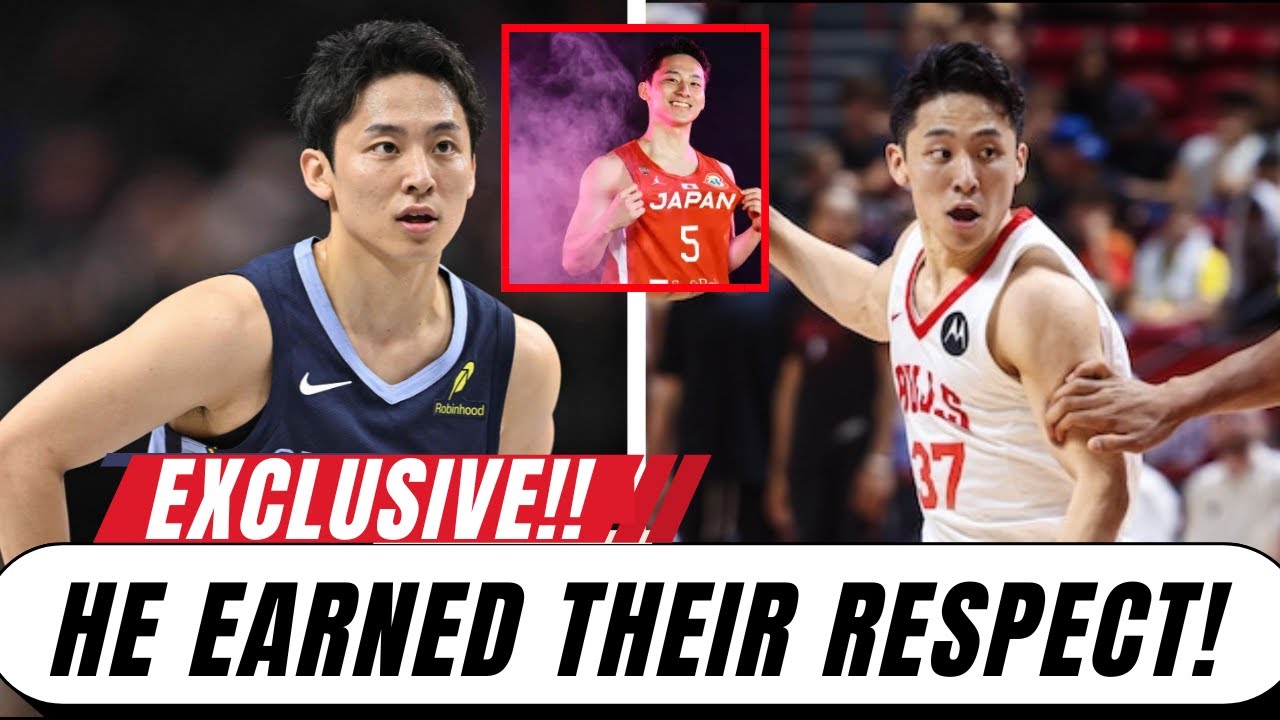
Why the Chicago Bulls Took a Chance on Yuki Kawamura
The Chicago Bulls just made one of the most fascinating moves nobody saw coming. They signed the shortest player in the entire NBA. A 5’8 point guard from Japan who most casual fans had never heard of 6 months ago. But here’s the kicker. This wasn’t some publicity stunt or desperate move by a struggling franchise. The Bulls saw something that other teams missed. And what happened behind the scenes will change how you look at talent evaluation in the modern NBA. Yuki Kowamura’s journey to Chicago didn’t start where you’d expect. Just months ago, he was lighting up the Memphis Grizzlies summer league roster, but that’s only scratching the surface. The real story begins with a phone call that changed everything. Memphis had already given him his first NBA shot, signing him in September 2024 and making him the fourth Japanese player ever to step onto an NBA court. When Kawamura made his debut against the Houston Rockets in October, wearing number 17, the same number as baseball superstar Shoi Otani, it seemed like his NBA dream was secure. But the basketball world moves fast, and what looked like stability was about to become the stepping stone to something bigger. But that wasn’t the real story brewing behind the scenes. The Bulls had been watching Kowamura long before he ever touched an NBA court. Their scouts weren’t just looking at his Memphis stink. They were studying tape from the 2024 Paris Olympics where Kowamura had represented Japan with a level of poise that caught international attention. This wasn’t just another undersized player trying to make it in a league dominated by giants. This was a floor general who had proven himself against elite competition on the world’s biggest basketball stage. The Bulls front office was asking themselves a simple question. If he could handle Olympic pressure, what could he do with proper development time? Here’s where things get wild. During Chicago’s summer league run, Kowamura didn’t just participate, he absolutely dominated. We’re talking about a player who averaged 10.2 points and 6.2 assists per game across five summer league appearances. Those aren’t just solid numbers for a player his size. They’re impressive numbers for any undrafted rookie trying to make a name for himself. But the stat that really caught Chicago’s attention was his shooting. Calamura knocked down shots at a 42.1% clip from the field and an even more impressive 41.7% from three-point range. For a point guard who’s supposed to be too small to get his shot off against NBA level defenders, those numbers told a completely different story. The assists tell the real tale, though. Kawamura racked up 31 total assists during summer league, leading the entire Bulls roster. He wasn’t just making shots, he was making everyone around him better. The Bulls had drafted rookies Noah Asen and Emanuel Miller, players they expected to be the storylines coming out of summer league. Instead, a 5’8 Japanese point guard was stealing headlines and making veteran scouts take notes. Chicago’s coaching staff watched him orchestrate plays with the kind of court vision that can’t be taught. And they started asking themselves why this player wasn’t getting more serious looks from other franchises. And here’s where the Bulls made their move. But it came with complications nobody talks about. Chicago already had three players on two-way contracts. Jir Young, Emanuel Miller, and Lachlan Albridge. The NBA doesn’t give you unlimited roster flexibility, so signing Kamura meant making a tough decision. Someone had to go. The timing of Chicago’s offer wasn’t random. They struck right after Summer League when K Mur’s value was at its peak and other teams were still processing what they’d witnessed. The Bulls weren’t just offering him a two-way contract. They were offering him a legitimate opportunity to develop with the Windy City Bulls while staying ready for NBA call-ups. But that’s only part of it. Chicago saw something in Kawamura that goes beyond traditional scouting metrics. In today’s NBA, teams are desperate for pure point guards who can actually run an offense. The league has shifted toward combo guards and score first players, but the Bulls recognized they needed someone who could distribute the basketball and make smart decisions under pressure. Kawamura’s size becomes irrelevant when he’s threading passes through defenses and creating open looks for teammates. The Bull’s commitment to nurturing talent and diversifying their roster wasn’t just about basketball. It was about building something sustainable. The numbers don’t lie about what this signing represents historically. Kimmer is now the 13th player in NBA history listed at 5’8 or shorter to play professional basketball at this level. That’s rarified air and it comes with immense pressure. The last player of similar stature to get significant NBA minutes was Maris Mole. And before him, you have to go back decades to find success stories. But Kawamura isn’t intimidated by history. He’s motivated by it. Growing up in Japan, he idolized Yuki Toashi, another undersized Japanese player who stood just 5’6, but dominated at the international level. For Kawamura, making the NBA wasn’t just about personal achievement. It was about proving that heart and skill could overcome physical limitations. And here’s where things get really interesting for Chicago’s future. The Bulls are in a rebuilding phase where they need to take calculated risks on players with high ceilings and low financial commitments. Kong Mura represents exactly that kind of move. His two-way contract gives them flexibility to develop him in the G-League while staying available for NBA minutes when matchups make sense. But there’s another angle most people aren’t discussing. The international market appeal. The Bulls understand that basketball is a global game now, and having a Japanese player on the roster opens doors in one of the most passionate basketball markets in the world. The modern NBA has proven repeatedly that skill trumps size when players have the right mindset and work ethic. Look at players like Isaiah Thomas during his all-star years, or current players like Fred Van Vleet who’ve succeeded despite not fitting the traditional mold for their position. Kawi Merritt brings that same combination of shooting ability, court vision, and competitive fire that allows smaller players to thrive. The Bulls aren’t just hoping he develops. They’re betting that his skill set translates directly to winning basketball games. What makes this story even more compelling is the cultural impact Kowamura represents. Asian players have historically faced additional challenges breaking into the NBA, often battling stereotypes about athleticism and physicality. But Kowamura’s Olympic performance and summer league success have already started changing those conversations. He’s not just representing himself or the Bulls. He’s carrying the hopes of young basketball players across Asia who see him as proof that dreams can become reality regardless of where you come from or how tall you are. The Bull’s decision also reflects a broader shift in how NBA teams evaluate talent. Traditional scouting focused heavily on measurables, height, wingspan, vertical leap. But the most successful teams now prioritize basketball IQ, shooting ability, and the intangible qualities that help players impact winning. Kawamura checks all those boxes. His court vision allows him to find passing angles that bigger players miss. His shooting range forces defenses to respect him beyond the three-point line. and his competitive spirit forged through years of proving doubters wrong gives him the mental toughness to succeed under pressure. The timing of Chicago’s move was brilliant for another reason nobody’s talking about. The Bulls are positioning themselves to be competitive in a crowded Eastern Conference, but they’re not ready to make expensive veteran signings that might mortgage their future. Players like Kawamura represent the perfect middle ground. High upside additions that don’t compromise long-term flexibility. If he develops into a reliable NBA contributor, the Bulls get incredible value from a two-way contract. If he doesn’t quite reach that level, they haven’t invested significant resources and can adjust accordingly. Looking at the bigger picture, Kawamura’s success could influence how other international players view the NBA pathway. For too long, talented players from non-traditional basketball countries felt like they needed to dominate at the highest levels in Europe before getting NBA looks. efficiencies that smart organizations can exploit. The chemistry factor can’t be ignored either. Chicago’s locker room needed an injection of energy and positive attitude, especially during a rebuilding period when losses pile up and frustration can build. Kawamura brings the kind of infectious work ethic and gratitude that veteran players respect. He’s not taking his opportunity for granted, and that attitude spreads throughout a roster. Sometimes the most important signings aren’t about talent alone. They’re about finding players who elevate the culture and make everyone around them better. Here’s what this all means for the Bulls future and the NBA’s evolving landscape. Chicago made a statement that they’re willing to think outside traditional boundaries when evaluating talent. They’re not just looking for the biggest, fastest, strongest players. They’re looking for the smartest, most skilled, most competitive players regardless of physical limitations. That approach could pay dividends not just with Kawamura, but with future international prospects who see Chicago as a franchise willing to give them legitimate opportunities. The Bulls took a chance on Yuki Kowamura because they saw something others missed. A player whose skill set and mentality could transcend physical limitations in an NBA that increasingly rewards basketball intelligence over raw athleticism. Whether he becomes a rotation player or remains a G-League standout, this signing represents Chicago’s commitment to finding value in unexpected places and their belief that heart and skill still matter more than height and wingspan. In a league where teams are constantly searching for competitive advantages, sometimes the biggest edge comes from believing in players that everyone else has overlooked.
Yuki Kawamura just made history — but why did the Chicago Bulls take such a huge risk on an undersized point guard from Japan?
In this video, we break down Kawamura’s rise, what the Bulls saw in him, and why his unique playstyle is turning heads in the NBA. From his high-IQ passing to elite footwork, this is the story of a player who’s redefining what it takes to make it in the league.
1 comment
Watching