
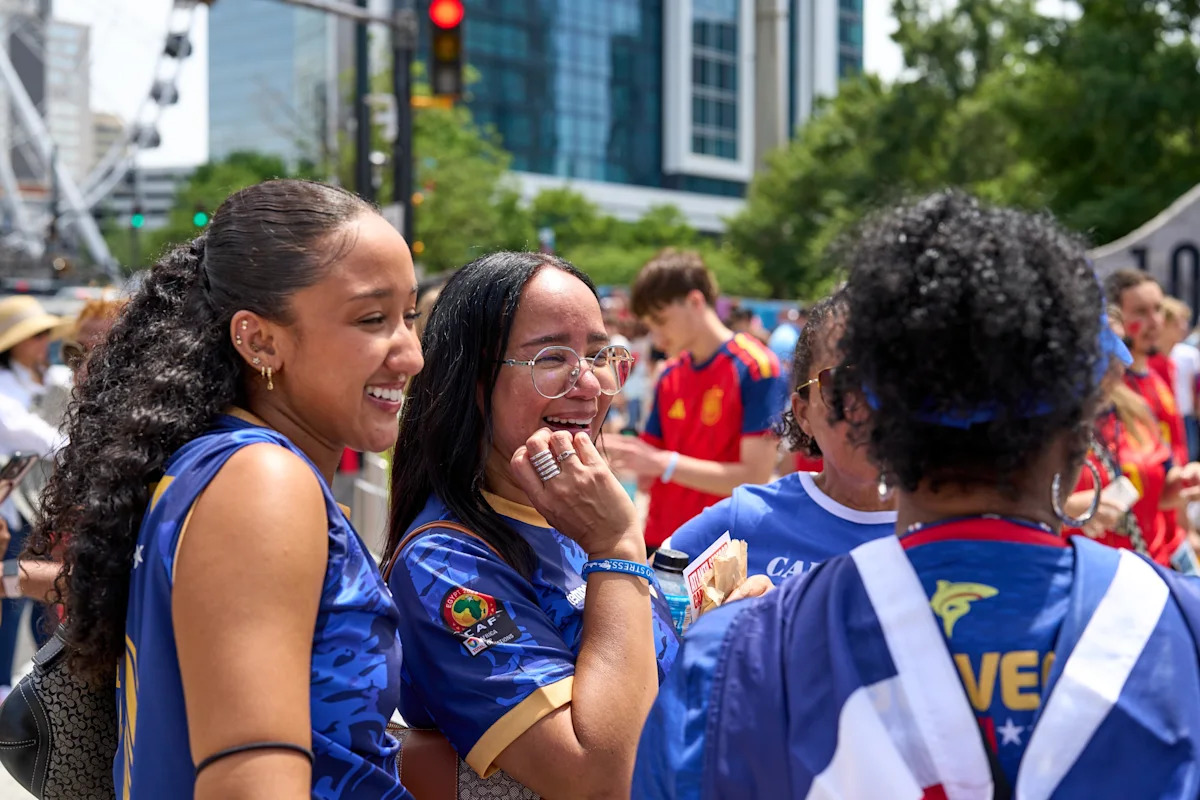
The World Cup’s biggest viral story isn’t actually soccer. It’s the sudden wave of strangers inviting international fans into their everyday lives and the unexpected American hospitality these fans are discovering.
At first, the social media clips from the tournament were what you might expect — visitors discovering the quirks of America in real time. There was the obsession with ranch dressing, bewildered tours of Buc-ee’s and Waffle House, and shock at the sheer scale of tailgates and portion sizes.
But the videos filling feeds right now hit much deeper. They are not just about what visitors are eating or how big the Big Gulps are.
They are about the hospitality of individual Americans and how much of what visiting fans thought they knew about the U.S. changes once they start meeting people face-to-face.
While the nightly news focuses on global division, these viral moments show the kind of connection people seem especially hungry for right now. One meme making the rounds put it best, saying:
“Someone said the World Cup is just America having a giant sleepover with the cousins we never get to see because our parents hate each other.”
That is what makes the tone of the tournament feel so surprising. Before the 2026 FIFA World Cup even started, there were real questions about whether the U.S. could host a global celebration that actually felt welcoming. Immigration enforcement fears, travel concerns, security worries, high prices and political tension all hovered over the buildup.
Then fans arrived, started filming, and found something much more personal than the headlines suggested.
Take Australian creator Dan McNamara, for example. He posted a now-viral Reel filmed on a boat in Miami after an American he had never met invited him out for the day. In the clip, McNamara explains that he had heard about American hospitality, but did not expect to experience it quite like this.
“He’s now giving me a private tour and taking me to breakfast on the water,” McNamara says, clearly still trying to process the whole thing.
“You guys don’t understand,” McNamara says from the deck. “This is not normal in any other country.”
World Cup fans are getting the invite-only version of America
If the first wave of World Cup content was about America’s food surprising people, this new wave is about Americans themselves surprising visitors.
In another Reel, Texas creator Drew Haas, who uses the handle @haasoutdoors, sits in front of a sprawling backdrop of cattle and extends a direct, open invitation to traveling World Cup fans: he would love to show them around his city.
The post quickly racked up thousands of comments, including one that perfectly sums up the mood:
“As an American I want the Texas experience WITH foreigners.”
That single comment cuts right to the heart of why these videos are so much bigger than a standard, superficial “tourists love America” trend. The desire for connection isn’t a one-way street. Americans are craving it, too.
Since posting his initial invitation reel, Haas has posted multiple videos of international visitors taking him up on his offer to show them a real Texas experience, including this first one:
By pulling traveling fans into their tailgates, guiding them to the best local brisket, or taking them out on a boat, everyday Americans are transforming their own backyards into a stage and showing what American hospitality is all about.
They aren’t just hosting—they are actively writing themselves into someone else’s lifelong World Cup memory, and making new friends along the way.
After the match, even rivals become friends
The friendship videos are not only happening in private homes or on boats. Some of the best ones are happening in public, after the match is over and everyone should theoretically be going their separate ways.
In Seattle, creator anushka_wanders posted this reel:
Her caption made the point even cleaner: “90 minutes as rivals, but the rest of the night we just dance.”
That line could be the thesis of half the World Cup content going viral right now.
One commenter on the Seattle post wrote that driving home from the airport felt “so happy out there.”
This is why people keep calling the World Cup “healing”
The word “healing” has been everywhere in World Cup social posts this month.
It is a big word for a soccer tournament. Maybe too big. The World Cup is not solving politics, erasing borders, or fixing the internet. But after watching enough of these videos, it is easy to understand why people keep reaching for it.
A Reel from creator Stephen Scott captured this sentiment perfectly. He called his video “a heartfelt message to the American people” with text that reads: “I never want you to forget” and “I want you to always remember.”
In the comments, one person wrote that the summer of 2026 would be remembered because people had found a way to “circumvent the noise” and remind each other who they are.
That phrase gets close to what these clips are doing. They are bypassing the official channels: governments, campaigns, TV panel discussions, and all the ways people are told to be afraid of one another.
In their place are small human receipts. A boat ride. A breakfast invite. A barbecue plate. A dance floor. A stranger making room in the car, at the table, or on the dock.
Countries can disagree. Leaders can pick fights. Headlines can make the world feel impossible. And still, somewhere after a match, a group of people who were raised under different flags can end up sharing sunscreen, swapping stories, translating menus, and laughing like they have known each other for years.
That does not make the world less complicated. It just makes it harder to pretend people are only the headlines attached to them.
Maybe that is why this second wave of World Cup videos keeps spreading. They remind people that a country is not just its government. A fan is not just a flag. And a World Cup trip does not always become memorable because of what happened on the field.
Sometimes the story people tell for the rest of their lives is about the person who brought them home for dinner, put them on a boat, or told them where to go next.
For more stories about the unexpected moments that make travel, culture, and major events feel human, follow my page.