
FIFA president Gianni Infantino has proposed a broad review of how world football’s governing body makes major decisions, moving to address the governance questions raised by the collapse of the controversial FIFA Forward Enterprise project.
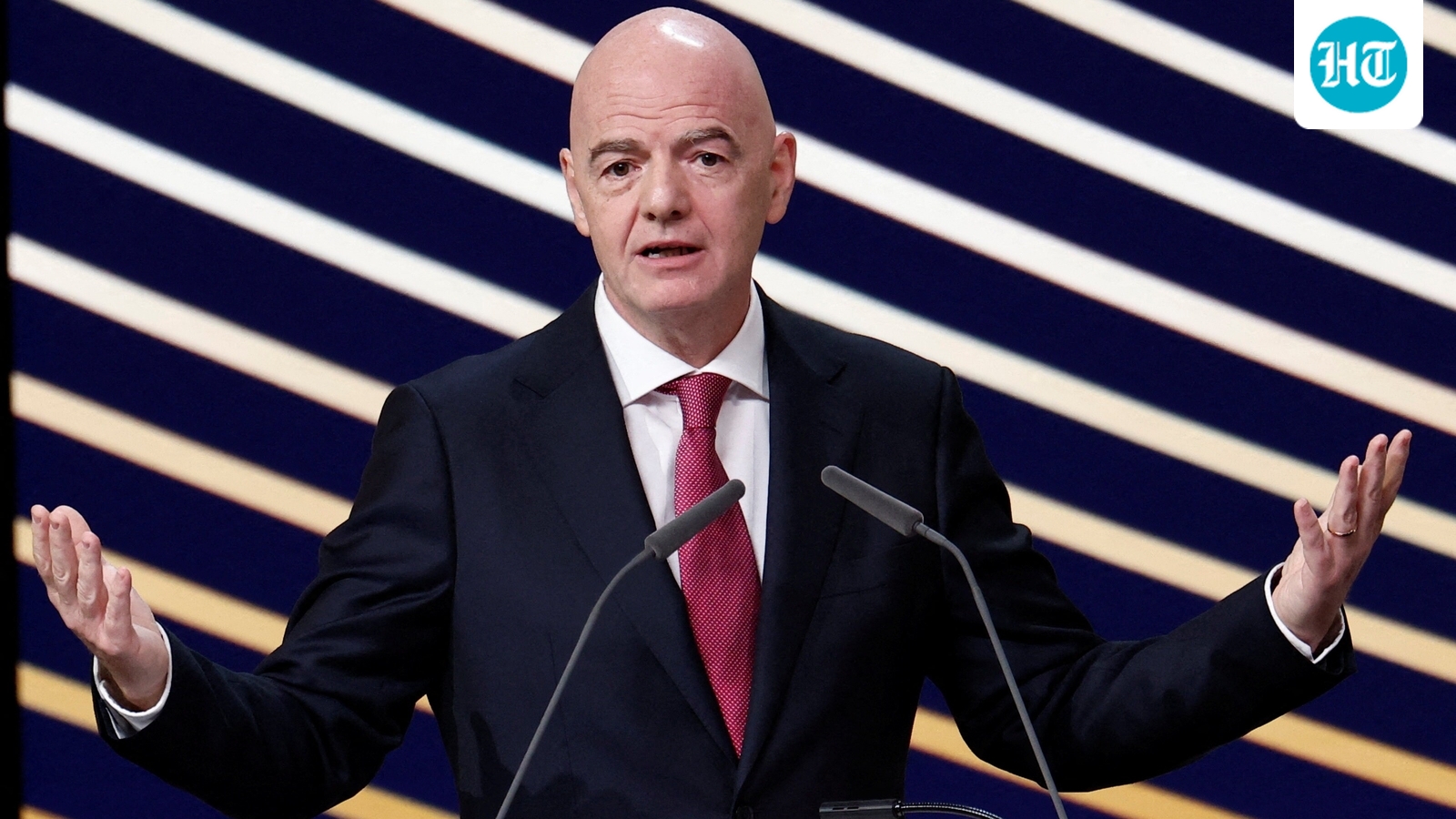
 FIFA president Gianni Infantino has been under the scanner. (REUTERS)
In a letter sent to members of the FIFA Council and the presidents of all 211 national associations, Infantino said FIFA should consider whether an independent external review is needed to examine its governance framework for major strategic initiatives. He has also proposed a structured consultation involving the six continental confederations, national associations and other stakeholders.
The exercise could examine the respective roles of the FIFA president, the Bureau of the Council, the 37-member FIFA Council and the Congress, while considering whether major initiatives require wider consultation before they advance. Initial proposals are expected to be discussed when the FIFA Council meets on October 15.
The move follows the extraordinary backlash over FIFA Forward Enterprise, an ambitious commercial project that would have placed a significant portion of FIFA’s commercial and operational activities inside a new subsidiary while allowing outside investors to acquire a minority stake.
FFE fallout forces FIFA rethink
FIFA insisted throughout that it would permanently retain control of the proposed company and that investors would have no influence over sporting decisions. The project nevertheless triggered fierce resistance, with UEFA and its 55 national associations unanimously rejecting the proposal and threatening to withdraw from FIFA competitions if it went ahead.
The Asian Football Confederation and CONCACAF also questioned the process through which the plan had been developed, with criticism increasingly focusing not merely on private investment but on the level of consultation surrounding a project of such scale.
Infantino eventually withdrew the proposal in July, saying the divisions it had generated meant it was no longer compatible with FIFA’s wider interests. FIFA subsequently made clear that the project had been abandoned.
The controversy, however, continued after the withdrawal. Infantino has acknowledged that details of the plan became public before FIFA’s intended internal process had been completed, creating the impression that decisions had effectively already been made. He has maintained that the proposal was never final and that FIFA’s sporting authority and independence were never for sale.
FIFA has separately said that a review of the FFE episode itself will be presented to the Council, meaning the organisation is now dealing both with questions over how that specific project was handled and whether its wider decision-making structures require reform.
Pressure has also spread to FIFA’s finances. UEFA president Aleksander Ceferin and CONCACAF president Victor Montagliani have called for an independent review of FIFA’s reserves, questioning why external investment was considered necessary when the governing body is projected to hold reserves of around $6 billion by the end of the current financial cycle.
The debate comes at a sensitive time for Infantino, who is seeking another term as FIFA president in March 2027. The October 15 Council meeting will now offer the first indication of whether the collapse of FFE produces changes extending beyond one abandoned commercial project to the way FIFA itself is governed.