

Getty
Netflix is becoming a global player in soccer streaming rights with their exclusive deal to broadcast the 2030 FIFA World Cup in Spain and the next 2 Women’s World Cups in the U.S. and Canada. (Photo by Patrick T. FALLON / AFP) (Photo by PATRICK T. FALLON/AFP via Getty Images)
Netflix has secured the exclusive rights to broadcast the 2030 men’s World Cup in Spain. The deal covers all 104 matches of the centenary tournament, co-hosted by Spain, Portugal and Morocco, with special celebration matches also planned in Argentina, Paraguay and Uruguay, the original 1930 host nation, to mark the 100th anniversary. For American sports fans watching the media landscape shift, this is more than a European rights story, it’s another clear signal that the old broadcast order is fading.
Netflix World Cup Rights: What the Spain Deal Covers
Netflix hasn’t disclosed the financial terms, and it has yet to name a television partner for the free-to-air portion of the deal, with more details expected closer to the tournament. “Few events unite people like the World Cup,” Netflix Chief Content Officer Bela Bajaria said in a statement. “With Spain set to host in 2030, we’re thrilled to bring every match to fans across Spain and Andorra on Netflix.” FIFA Secretary General Mattias Grafström called it a continuation of the organizations’ growing partnership. Spain enters the tournament as the reigning world champions after their 2026 World Cup win.
For years the question lingered: when would Netflix finally jump into live sports in a serious way? Amazon moved first. Prime Video has held key Champions League packages for years, including the top-pick Tuesday match in the UK and Ireland and the top Wednesday game in Germany and Italy, with those rights recently extended through the 2030-31 season. Amazon’s willingness to pay for marquee European soccer helped normalize the idea that a tech giant could become a major sports broadcaster. Netflix was never going to stay on the sidelines forever.
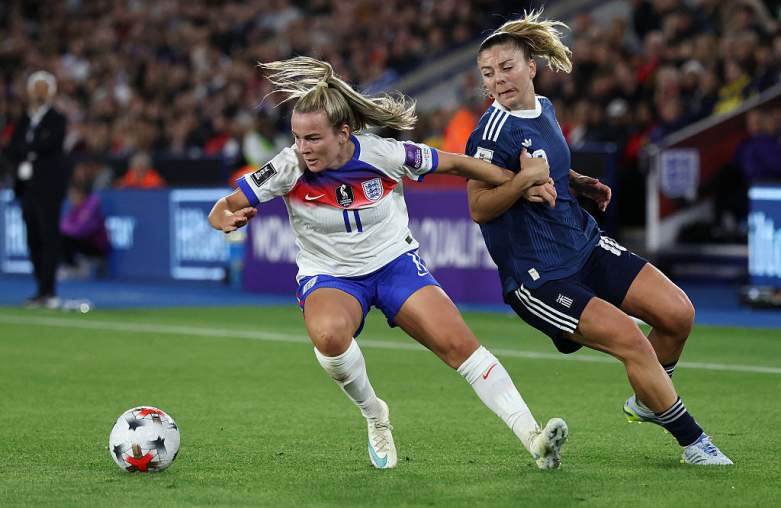 GettyNetflix have secured exclusive rights in the U.S. and Canada to show the Women’s World Cups in 2027 and 2031. (Photo by Darren Staples / AFP via Getty Images)
Netflix’s Growing Sports Footprint
The Spain deal builds directly on Netflix’s earlier move into women’s soccer. The streamer already holds exclusive U.S. and Canadian rights to the 2027 FIFA Women’s World Cup in Brazil and the 2031 edition, the first time the Women’s World Cup will be carried entirely by a streaming platform in those markets.
In the United States, Netflix has also expanded its domestic sports portfolio. It carries select NFL games, including Christmas Day matchups, a Week 1 international game, a Thanksgiving Eve matchup and a Week 18 contest, under a deal recently extended through the 2029-30 season. It also signed a three-year, roughly $50 million-per-year agreement with MLB covering Opening Night, the Home Run Derby and a special event game such as the Field of Dreams contest each year through 2028. Those packages remain selective rather than full-season rights, but they show Netflix testing the waters with American sports events before committing to anything bigger.
Why the U.S. Market Is Different
Spain’s deal still includes free-to-air protections. One match per matchday will be free, and a package covering every Spain national-team game, both semifinals and the final will be offered to a national free-to-air broadcaster. Those safeguards exist because Spanish law requires certain major events, particularly those involving the national team and the World Cup final, to remain accessible without a subscription.
The United States has no equivalent federal requirement. Nothing legally prevents an entire World Cup, or large portions of it, from ending up exclusively on a streamer. The four major traditional networks are no longer guaranteed a seat at the table for the biggest global tournaments; rights simply go to the highest or most strategically attractive bidder. That reality makes Netflix’s Spain move feel less like an isolated European experiment and more like a preview of conversations that could eventually reach American living rooms. Amazon proved the model worked. AppleTV has shown with their MLS rights that soccer is in play in the U.S. Netflix is now writing bigger checks and securing bigger stages, one rights deal at a time. Don’t be surprised if their next big announcement in the U.S., like in Spain, involves soccer.