
The WNBA has been on a steep upward trajectory for several years, but this year’s Finals threatened to upend the momentum the league had built.
To start, none of the league’s marquee stars reached the championship series. Caitlin Clark and the Indiana Fever lost in the first round, while A’ja Wilson and the Las Vegas Aces fell in the semis. The recent fan favorite New York Liberty overcame a poor regular season to make the second round, but that’s where their season ended.
The Golden State Valkyries and Atlanta Dream were deserving opponents, as their strong postseason runs proved, but they were fairly unproven at drawing big, national WNBA audiences.
The split between NBC and Versant’s USA Network also set up a potentially confusing flip between networks throughout the series. The networks cleaned this up in part by agreeing to air all the games on Peacock ahead of time, but the WNBA Finals tested fans’ desire and ability to track down USA Network as it bulks up on live sports rights.
The league also created a panic when it had to schedule later games in Atlanta on the fly, which ultimately resulted in the widely mocked decision to reschedule Game 6 for 12:30 p.m. ET last Thursday.
After that announcement, The Ringer’s Bill Simmons summed up the sentiment of a large portion of the national media:
“This is the dumbest thing that’s probably, even for a league that has gone out of its way to seem stupid this entire year and has, I think, made 12 or 13 major decisions this year and I’ve disagreed with all of the decisions, like literally all of them, this is a new low for them.”
Against these steep odds, however, the WNBA Finals were an enormous success. The messy Game 6 drew an average of 1.5 million viewers, up from the series-clinching Game 4 in 2025, which aired on ESPN in primetime. A postseason-record audience of 3.3 million tuned into USA Network and Peacock two nights later for Game 7 as the Valkyries clinched the title. This strong finish helped the Finals average nearly 1.9 million viewers per game, making it the most-watched Finals of all time.
Game 7 of the WNBA Finals drew more than 3.3M viewers on USA, CNBC, and Peacock based on preliminary numbers, a source tells FOS.
It would be the WNBA’s most-watched game since 1997. https://t.co/VFUMjlgIW0
— Front Office Sports (@FOS) November 3, 2026
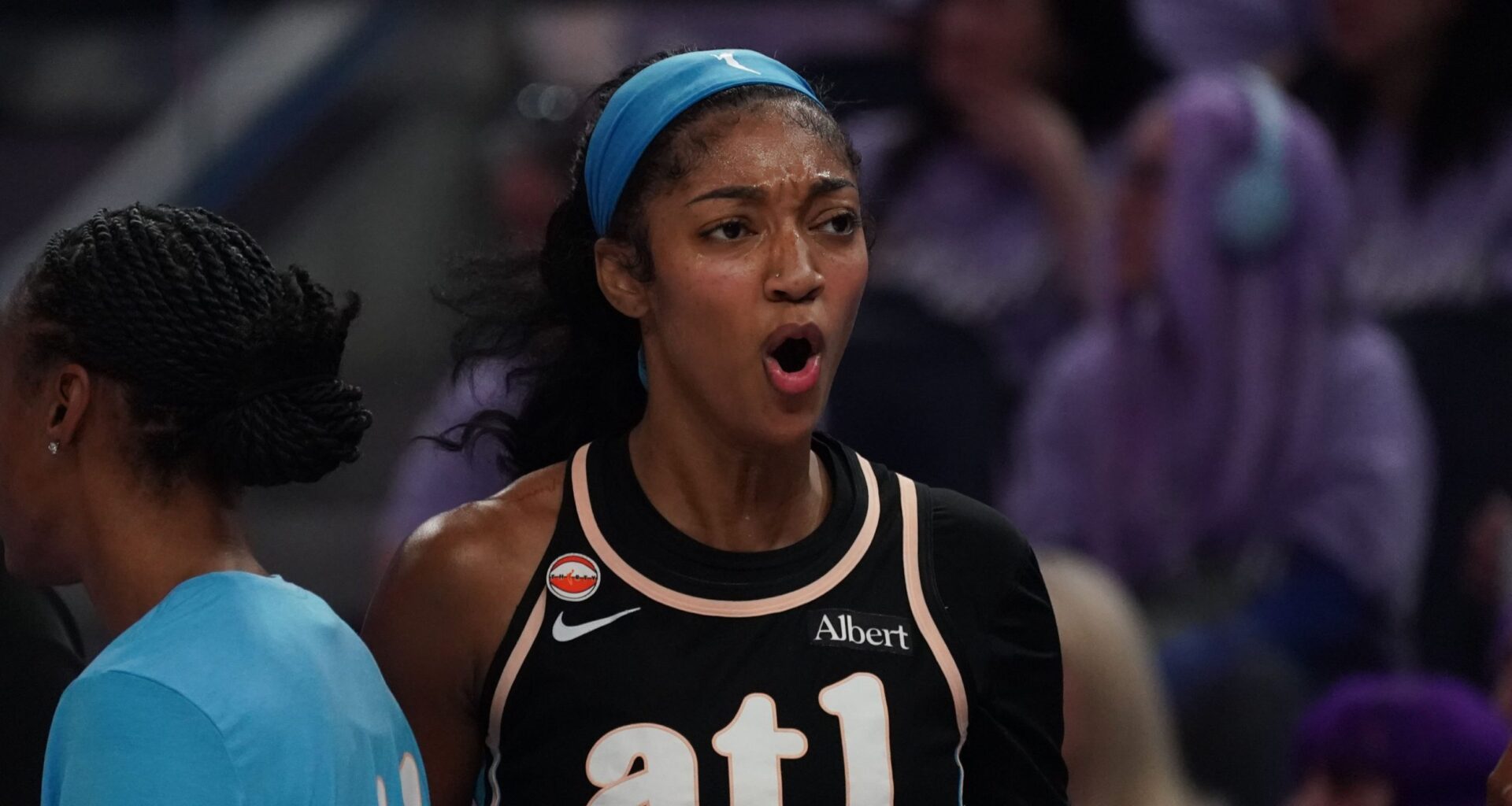
Amid the constant effort to attribute all WNBA growth solely to Clark, the league’s upward trajectory continues even when she is not playing. Golden State built a huge fanbase since debuting as an expansion franchise last season, while young stars like Rhyne Howard and especially Angel Reese helped put Atlanta on the map. The matchup went from underwhelming to record-setting as the series went on.
One clear win for the WNBA was expanding the Finals to seven games. Just five years ago, the league’s entire postseason format maxed out at 19 games. The league added 10 potential playoff games to the schedule, capped by a full, seven-game Finals. By going the distance, the Valkyries and Dream reinforced that fans will tune in in greater numbers for higher-stakes games.
Unsurprisingly, a chorus led by Clark herself is already pushing for further playoff expansion. The WNBA will play 50 regular-season contests for the first time. If a Valkyries-Dream Finals can draw an audience similar to the last Stanley Cup Final series on cable (in 2025), the potential for future deep postseason games with better scheduling and stronger team brands should entice the next WNBA commissioner.
The Finals will return to ESPN and ABC in 2027, expanding their reach once again. The WNBA can walk away from this season confident that its popularity is bigger than any single player or team, and that its steadily growing fanbase will flock to big games whether they happen in the morning or at night, no matter where they are.