Gifted article on Manfred’s plan regarding tv rights and salary floor/cap.
14 comments
Paywall. Can you give us the highlights?
There’s a pay wall. I’m not going to fork over money.
But no matter what is in the article, the answer is no. Nothing could make him sell. No matter how bad the team is, it’s still a profitable hedge fund. Unfortunately, there is zero motivation for him to sell.
Nutting has a cash cow that is appreciating in value. He will never sell until they change the rules. The other owners will never have enough votes to do this. Most of the owners want to win and like to have a handful of teams that aren’t trying to win.
Not being able to read an article? I doubt that’ll make him sell. Might make him a little angry.
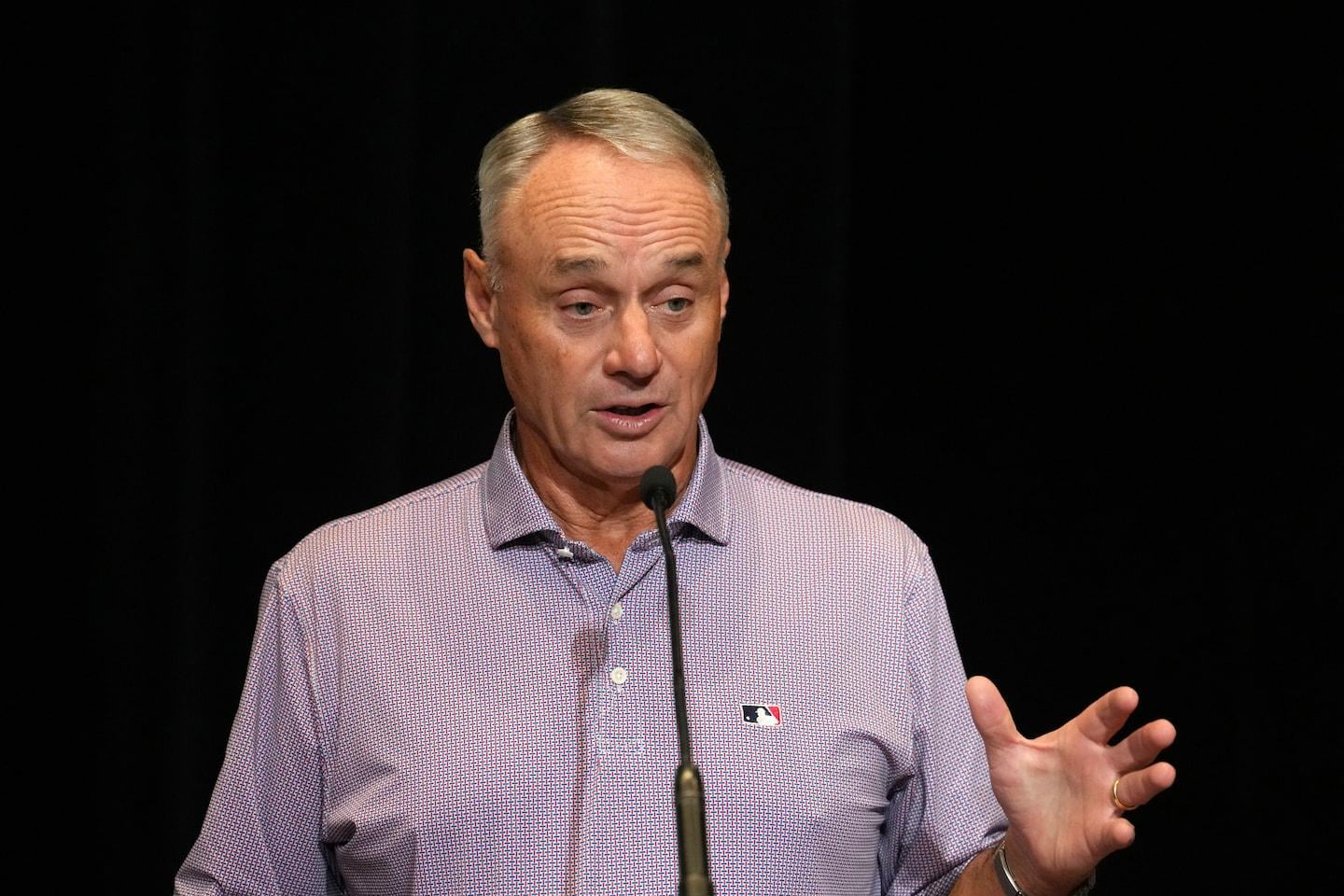
I laugh when people think Manfred is this bad guy going against the owners. He *is* the voice of the owners. That’s how MLB and the other leagues work, the owners pick the commissioner and he represents them.
Nutting will have no problem with a cap, and with that will come more revenue sharing to get up to any set floor.
I can’t c-p the whole thing, but here you go.
And while Manfred’s owners have not yet decided whether they will push for a salary cap, according to multiple people familiar with their conversations, he has been making sure they are aware of the impact a cap could have on the value of their teams long term.At recent owners’ meetings, for example, MLB made presentations to owners about franchise valuations — presentations that included the importance of cost certainty belied by revenue sharing and promised by something like a cap, according to a person who saw them.Of course, the MLB Players Association has made a decades-long mission of staving off a salary cap. Executive Director Tony Clark and his team have been escalating their opposition in anticipation of next year’s bargaining: At this year’s All-Star Game in July, for example, Clark called a salary cap “institutionalized collusion.” The only thing both sides agree on is that they are bracing for a work stoppage, in part because Manfred has already alluded to a lockout.Importantly, the collective bargaining agreement expires Dec. 1, 2026. Whenever a new one is negotiated, that deal would dictate the economic structure of MLB in 2028, when Manfred said he believes he can secure these rights. Certainly then, securing substantive change to baseball’s economic system in the next CBA would seem like a prerequisite to prying local broadcast rights away from teams that have no financial incentive to give them up.
But owners seem more certain this kind of structural economic change is necessary than the players union, which watched Juan Soto sign a contract for $765 million this past winter and is therefore unlikely to suddenly drop decades of opposition to a salary cap — even if it came with a salary floor that could force small-market teams to be more active with veteran players in free agency instead of relying on cheaper, younger players to fill out their rosters. If Manfred’s local rights consolidation is dependent, in part, on major changes to the CBA, he might need a backup plan.Perhaps he has one. Perhaps the appeal of not having to wade back into a broken cable market when their current deals expire would be enticing enough to make big market teams consider a deal. No one on the teams’ side seems entirely sure, and no MLB officials with authority to speak are willing to say.But what is clear is that the consolidation of local television rights that was once a pipe dream has transformed into something that looks much more like a firm plan — and Manfred does not often share plans he does not have reason to believe he can execute.
No
Not gonna hold my breath. Or read this article apparently
He’s not going to sell. The team is worth billions now and it’s appreciating every day.
I have thought about this for years, unless the television/streaming revenue falls off dramatically there is nothing to be gained for either side for a work stoppage.
Everyone is making money and the league is no where close to where the NHL was when they had their stoppage which instituted a cap.
It sucks but the system as it is now currently works for the players and the owners it doesn’t make sense for there to be a work stoppage for either side.
For fans this is absolutely terrible, but Nutting is more than even before the first ticket is sold. If he isn’t he can reduce payroll until he is all the while the team’s sale value continues to go up.
What Manfredi is proposing, overall, is better for small market teams than the major market ones. I don’t think it would be a big enough change to make selling the team that much more attractive.
The way the wealth hierarchy works
Incredibly wealthy < obscenely wealthy < incredibly wealthy with cool toy (like a known sports team) < obscenely wealthy with cool toy
Butting would lose his cool toy that gives him relevance. Unless he has a plan to buy cooler money generating toy he’s not doing shit.

14 comments
Paywall. Can you give us the highlights?
There’s a pay wall. I’m not going to fork over money.
But no matter what is in the article, the answer is no. Nothing could make him sell. No matter how bad the team is, it’s still a profitable hedge fund. Unfortunately, there is zero motivation for him to sell.
Nutting has a cash cow that is appreciating in value. He will never sell until they change the rules. The other owners will never have enough votes to do this. Most of the owners want to win and like to have a handful of teams that aren’t trying to win.
Not being able to read an article? I doubt that’ll make him sell. Might make him a little angry.
I laugh when people think Manfred is this bad guy going against the owners. He *is* the voice of the owners. That’s how MLB and the other leagues work, the owners pick the commissioner and he represents them.
Nutting will have no problem with a cap, and with that will come more revenue sharing to get up to any set floor.
I can’t c-p the whole thing, but here you go.
And while Manfred’s owners have not yet decided whether they will push for a salary cap, according to multiple people familiar with their conversations, he has been making sure they are aware of the impact a cap could have on the value of their teams long term.At recent owners’ meetings, for example, MLB made presentations to owners about franchise valuations — presentations that included the importance of cost certainty belied by revenue sharing and promised by something like a cap, according to a person who saw them.Of course, the MLB Players Association has made a decades-long mission of staving off a salary cap. Executive Director Tony Clark and his team have been escalating their opposition in anticipation of next year’s bargaining: At this year’s All-Star Game in July, for example, Clark called a salary cap “institutionalized collusion.” The only thing both sides agree on is that they are bracing for a work stoppage, in part because Manfred has already alluded to a lockout.Importantly, the collective bargaining agreement expires Dec. 1, 2026. Whenever a new one is negotiated, that deal would dictate the economic structure of MLB in 2028, when Manfred said he believes he can secure these rights. Certainly then, securing substantive change to baseball’s economic system in the next CBA would seem like a prerequisite to prying local broadcast rights away from teams that have no financial incentive to give them up.
But owners seem more certain this kind of structural economic change is necessary than the players union, which watched Juan Soto sign a contract for $765 million this past winter and is therefore unlikely to suddenly drop decades of opposition to a salary cap — even if it came with a salary floor that could force small-market teams to be more active with veteran players in free agency instead of relying on cheaper, younger players to fill out their rosters. If Manfred’s local rights consolidation is dependent, in part, on major changes to the CBA, he might need a backup plan.Perhaps he has one. Perhaps the appeal of not having to wade back into a broken cable market when their current deals expire would be enticing enough to make big market teams consider a deal. No one on the teams’ side seems entirely sure, and no MLB officials with authority to speak are willing to say.But what is clear is that the consolidation of local television rights that was once a pipe dream has transformed into something that looks much more like a firm plan — and Manfred does not often share plans he does not have reason to believe he can execute.
No
Not gonna hold my breath. Or read this article apparently
He’s not going to sell. The team is worth billions now and it’s appreciating every day.
I have thought about this for years, unless the television/streaming revenue falls off dramatically there is nothing to be gained for either side for a work stoppage.
Everyone is making money and the league is no where close to where the NHL was when they had their stoppage which instituted a cap.
It sucks but the system as it is now currently works for the players and the owners it doesn’t make sense for there to be a work stoppage for either side.
For fans this is absolutely terrible, but Nutting is more than even before the first ticket is sold. If he isn’t he can reduce payroll until he is all the while the team’s sale value continues to go up.
Guys use your heads. You can easily find a way to remove it. https://www.removepaywall.com
Nop
What Manfredi is proposing, overall, is better for small market teams than the major market ones. I don’t think it would be a big enough change to make selling the team that much more attractive.
The way the wealth hierarchy works
Incredibly wealthy < obscenely wealthy < incredibly wealthy with cool toy (like a known sports team) < obscenely wealthy with cool toy
Butting would lose his cool toy that gives him relevance. Unless he has a plan to buy cooler money generating toy he’s not doing shit.