New Maple Leafs Change Might Make Them Playoff Ready
January 12, 2026
Just curious what others would think about this article on what changed
4 comments
It’s the assistant coach firing /s
Text from the article:
Honestly, the Toronto Maple Leafs’ inability to move the puck out of their own zone has been an issue all season. The team was rushing passes, making sloppy plays, and more than a little panicky. And when the lines changed, forget it—the puck went straight up the ice every time. Maple Leafs players were caught out of position, and turnovers piled up.
Fans blamed missed passes, poor reads, or just “youth mistakes,” but it was really a system problem.
The Maple Leafs Are Communicating Better than Earlier in the Season
Lately, that’s started to change. It’s small, easy to miss, but the Maple Leafs’ defence isn’t just chucking the puck up ice anymore. They’re talking, moving it side to side, and keeping the forecheckers honest.
Can The Devils Win A Dougie Hamilton Trade?
What used to be a panic dump out of the zone is now a smart, planned play. One D gets pressured? Pass back, swing to the forward at the blue, or chip behind the net. Everyone stays in check.
The Maple Leafs’ Forwards Have Become Part of the Change
The forwards are part of the change, too. They’re supporting the defencemen without crowding the zone or tipping their hand too early. They hang back when they need to, and they step up when the space opens. The rushes are more coordinated, the exits smoother, and the tired players get breaks without costing the team a shift.
The result is longer possession, fewer icings, fewer turnovers, and more control entering the offensive zone. It doesn’t make for highlight-reel moments every night, but it’s a different kind of hockey — the kind that wins games without anyone realizing how.
The Maple Leafs’ Defence Is Sharper
Defensively, the team is sharper. When the Maple Leafs don’t have the puck, they’re not retreating and hoping the opposition makes a mistake. They step into opposing players, using their sticks and bodies to disrupt plays and force the other team to adjust. It’s not meant to be flashy. But because the NHL punishes hesitation, it matters more than anyone wants to admit.
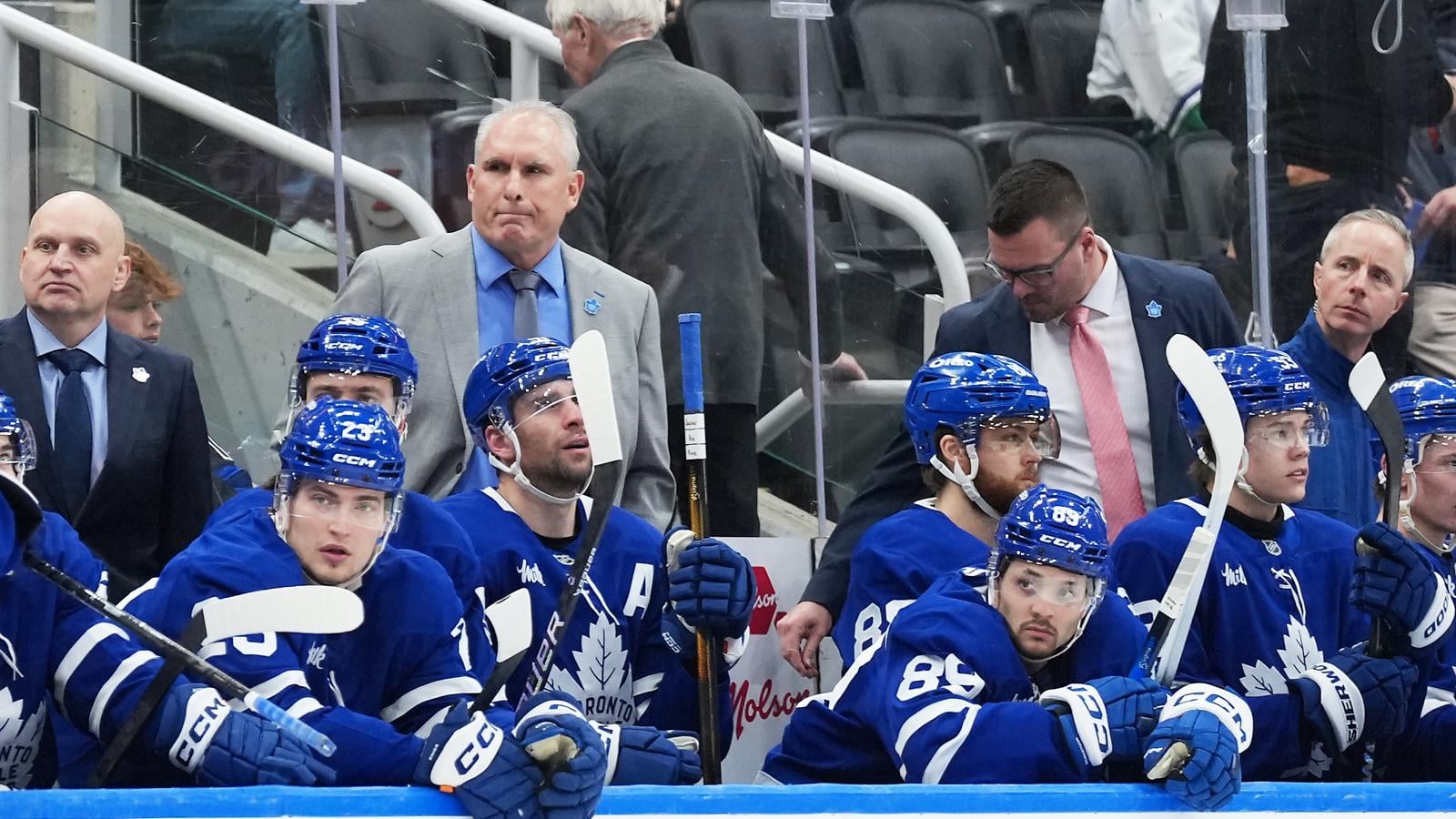
The difference isn’t in a new coach preaching a new system; it’s in execution. Craig Berube’s North–South identity is still there, but the Maple Leafs are finding ways to add East–West movement, using patience instead of panic. They’ve bought into it, and it shows not just in wins — though the 5–0 over Vancouver was an example — but in the way the team moves as a unit. Players like William Nylander, Auston Matthews, and John Tavares can be themselves without carrying the chaos. Secondary players like Easton Cowan and Nicholas Robertson feel confident making plays in rhythm with the rest of the team.
The Real Maple Leafs’ Story Isn’t on the Scoreboard
This is the quiet work that separates “good on paper” from “good on the ice.” It’s not a goal or an assist that changes games; it’s the subtle decisions that prevent mistakes, maintain possession, and let the big plays happen naturally.
If Toronto keeps this up, it’s not just about sneaking into the playoffs — it could actually reshape how this team looks when the postseason rolls around. Sure, wins and streaks grab the headlines, but the real story is in the little things: sideways passes that slow the game down, forwards actually waiting for the puck instead of chasing it, and defencemen moving as a unit, stepping up, and covering for each other.
That’s the kind of hockey that doesn’t just keep you in games against Vancouver—it keeps you in games against Colorado, Vegas, or any team with firepower. Quiet, patient, and effective.
This article first appeared on NHL Trade Talk and was syndicated with permission.
Colorado tonight is going to be a massive acid test. Road games have been tough this year and Colorado are a juggernaut at the moment and at home they’re 19-0-2.
I dont think a win is necessarily expected but the Leafs need to be competitive and look dangerous at the very least and prove that yes than can actually keep up with Colorado which a few weeks ago you’d say was unlikely.
The other aspect that has been overlooked is that there was a decent amount of turnover in the summer. It can take time for players to settle and adapt to systems and I wonder if its properly started to click for them.
They definitely are getting out of their own end easier. Before it seemed like trying to dump the puck out or firing a long stretch pass was the first option. They still do that sometimes, but now it seems like Option A is a short pass to an outlet man who then skates it out. The dump outs and stretch passes seem like Option B or a last resort.
Same with entering the other zone. Before it seemed like the plan was to dump it in every time. We seem much more patient now and look for opportunities to carry the puck in instead. Again, dump ins still happen, but it’s not the default go-to option every time.
No idea on if this is Berube changing his directions to the team or if this has always been the plan and the players just weren’t executing before. But the difference is noticeable.

4 comments
It’s the assistant coach firing /s
Text from the article:
Honestly, the Toronto Maple Leafs’ inability to move the puck out of their own zone has been an issue all season. The team was rushing passes, making sloppy plays, and more than a little panicky. And when the lines changed, forget it—the puck went straight up the ice every time. Maple Leafs players were caught out of position, and turnovers piled up.
Fans blamed missed passes, poor reads, or just “youth mistakes,” but it was really a system problem.
The Maple Leafs Are Communicating Better than Earlier in the Season
Lately, that’s started to change. It’s small, easy to miss, but the Maple Leafs’ defence isn’t just chucking the puck up ice anymore. They’re talking, moving it side to side, and keeping the forecheckers honest.
Can The Devils Win A Dougie Hamilton Trade?
What used to be a panic dump out of the zone is now a smart, planned play. One D gets pressured? Pass back, swing to the forward at the blue, or chip behind the net. Everyone stays in check.
The Maple Leafs’ Forwards Have Become Part of the Change
The forwards are part of the change, too. They’re supporting the defencemen without crowding the zone or tipping their hand too early. They hang back when they need to, and they step up when the space opens. The rushes are more coordinated, the exits smoother, and the tired players get breaks without costing the team a shift.
The result is longer possession, fewer icings, fewer turnovers, and more control entering the offensive zone. It doesn’t make for highlight-reel moments every night, but it’s a different kind of hockey — the kind that wins games without anyone realizing how.
The Maple Leafs’ Defence Is Sharper
Defensively, the team is sharper. When the Maple Leafs don’t have the puck, they’re not retreating and hoping the opposition makes a mistake. They step into opposing players, using their sticks and bodies to disrupt plays and force the other team to adjust. It’s not meant to be flashy. But because the NHL punishes hesitation, it matters more than anyone wants to admit.
The difference isn’t in a new coach preaching a new system; it’s in execution. Craig Berube’s North–South identity is still there, but the Maple Leafs are finding ways to add East–West movement, using patience instead of panic. They’ve bought into it, and it shows not just in wins — though the 5–0 over Vancouver was an example — but in the way the team moves as a unit. Players like William Nylander, Auston Matthews, and John Tavares can be themselves without carrying the chaos. Secondary players like Easton Cowan and Nicholas Robertson feel confident making plays in rhythm with the rest of the team.
The Real Maple Leafs’ Story Isn’t on the Scoreboard
This is the quiet work that separates “good on paper” from “good on the ice.” It’s not a goal or an assist that changes games; it’s the subtle decisions that prevent mistakes, maintain possession, and let the big plays happen naturally.
If Toronto keeps this up, it’s not just about sneaking into the playoffs — it could actually reshape how this team looks when the postseason rolls around. Sure, wins and streaks grab the headlines, but the real story is in the little things: sideways passes that slow the game down, forwards actually waiting for the puck instead of chasing it, and defencemen moving as a unit, stepping up, and covering for each other.
That’s the kind of hockey that doesn’t just keep you in games against Vancouver—it keeps you in games against Colorado, Vegas, or any team with firepower. Quiet, patient, and effective.
This article first appeared on NHL Trade Talk and was syndicated with permission.
Colorado tonight is going to be a massive acid test. Road games have been tough this year and Colorado are a juggernaut at the moment and at home they’re 19-0-2.
I dont think a win is necessarily expected but the Leafs need to be competitive and look dangerous at the very least and prove that yes than can actually keep up with Colorado which a few weeks ago you’d say was unlikely.
The other aspect that has been overlooked is that there was a decent amount of turnover in the summer. It can take time for players to settle and adapt to systems and I wonder if its properly started to click for them.
They definitely are getting out of their own end easier. Before it seemed like trying to dump the puck out or firing a long stretch pass was the first option. They still do that sometimes, but now it seems like Option A is a short pass to an outlet man who then skates it out. The dump outs and stretch passes seem like Option B or a last resort.
Same with entering the other zone. Before it seemed like the plan was to dump it in every time. We seem much more patient now and look for opportunities to carry the puck in instead. Again, dump ins still happen, but it’s not the default go-to option every time.
No idea on if this is Berube changing his directions to the team or if this has always been the plan and the players just weren’t executing before. But the difference is noticeable.