
The final deal to upgrade Chase Field caps Phoenix’s contributions, and the city will own the land if the Arizona Diamondbacks ever leave. That’s a win-win.
Kate Gallego
| opinion contributor


Diamondbacks manager reacts to signing of Chase Field funding bill
Gov. Katie Hobbs signed House Bill 2704, a bill funding renovations for Chase Field, the home of the Arizona Diamondbacks.
Phoenix Mayor Kate Gallego explains key changes to a deal that will help renovate Chase Field, home of the Arizona Diamondbacks.Gallego emphasizes the importance of Chase Field to downtown Phoenix but also highlights the city’s growth in other areas, like biomedical research and tech.The agreement sets a precedent for future public-private partnerships for stadium deals, ensuring taxpayers don’t fund luxury amenities.
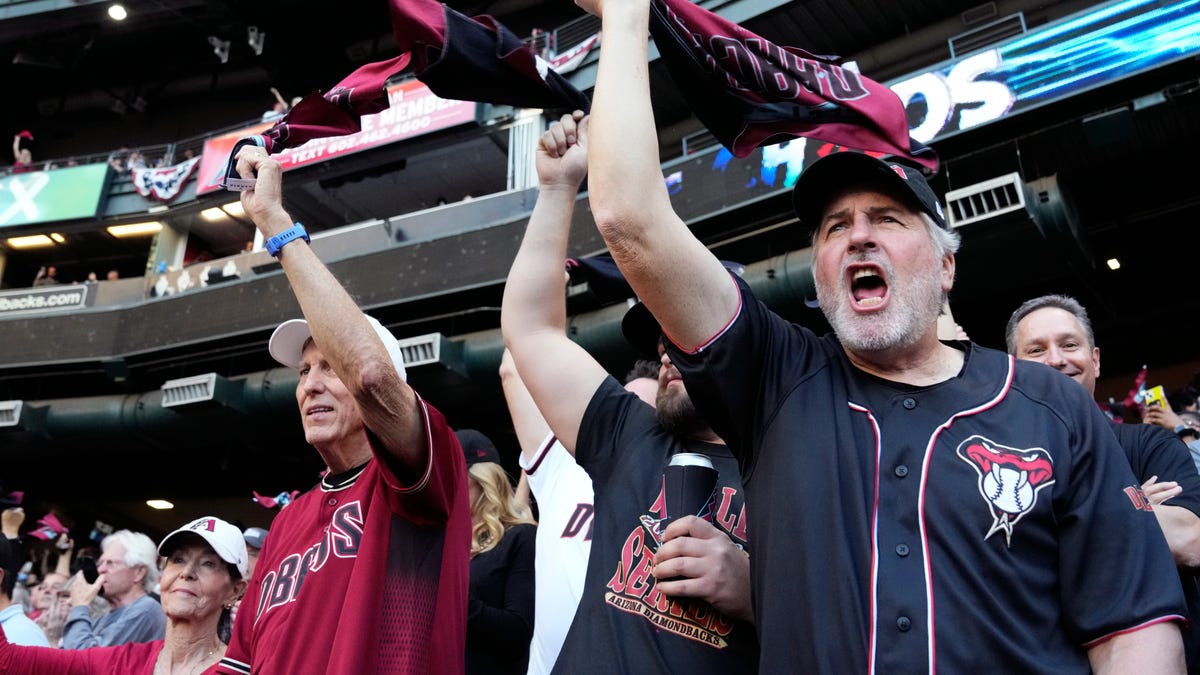
Less than two years ago, I stood in front of Chase Field and welcomed baseball fans from around the globe to Game 1 of the World Series between the Diamondbacks and Texas Rangers.
People from Phoenix and across Arizona cheered the home team on baseball’s biggest stage. The series didn’t go the way we wanted, but every home game was a party attended by more than 40,000 people, while thousands more caught the excitement in bars, restaurants and homes around the city.
I love the Diamondbacks and what they mean to our state. But my responsibility as mayor, and my commitment to the city and all its residents, is more important.
I wasn’t going to let my fandom get in the way of accepting an unfair deal. Since my first day in office, I have never stopped fighting for regular Phoenicians, and I never will.
The final agreement protects Phoenix taxpayers
After months of scrutinizing the financial numbers and leading the fight to protect city taxpayers, I worked to negotiate a final version of the stadium legislation (House Bill 2704) that is now law.
What we crafted is a good deal for Phoenix.
The law redirects sales taxes from purchases at Chase Field into an infrastructure fund, but I pushed for caps that cut Phoenix’s portion almost in half from the original proposal — limiting the city’s contribution for stadium repairs at $3.5 million per year.
Another change: Should the Diamondbacks move, the land’s ownership will transfer to the city of Phoenix — and it will carry a value of more than double our total contribution, according to the city’s Economic Development Department.
Put simply, Phoenix taxpayers will come out ahead financially.
I also fought for broader changes that should be a part of every public-private partnership for stadium deals in the future — clear rules so that sports teams cannot use taxpayer dollars to build and upgrade suites and club seating sections. Those types of luxury amenities should be paid for by sports teams, not taxpayers.
Phoenix can plan its future if DBacks ever leave
Most importantly, the final agreement protects Phoenix’s downtown — in the near term and far into the future.
The Diamondbacks are an important part of the fabric of downtown, and maintaining Chase Field as a premier destination for baseball, concerts and much more is essential to keep the momentum we’ve built in our downtown going strong.
In the summer months especially, those who come downtown for baseball games are a lifeline for nearby restaurants and shops.
It’s significant that the city would gain ownership of the land — and not just because of its value.
If eventually the Diamondbacks leave downtown, future Phoenix leaders will now be able to shape what’s next for some of the most important 22 acres of land in the city.
That matters because downtown is about much more than stadiums, and so is our future.
Downtown is about more than Chase Field
The burgeoning Phoenix Biomedical Core will soon be home to ASU Health and its new medical school — joining University of Arizona’s medical school on the site.
More than 450 tech companies call downtown home. So do more than 15,000 college students.
And with the recent opening of the Valley Metro South Central light rail extension, downtown is about to get even busier.
In a city that continues to lead on innovation and preparing for what’s next, our future is now brighter than ever.
That’s why this law is so important and a win for Phoenix. It keeps today’s downtown thriving, puts real protections on our tax dollars and gives us the tools we need to shape the future.
In my book, that’s a home run.
Kate Gallego is mayor of Phoenix. Reach her at mayor.gallego@phoenix.gov.
Like this column? Get more opinions in your email inbox by signing up for our free opinions newsletter, which publishes Monday through Friday.