
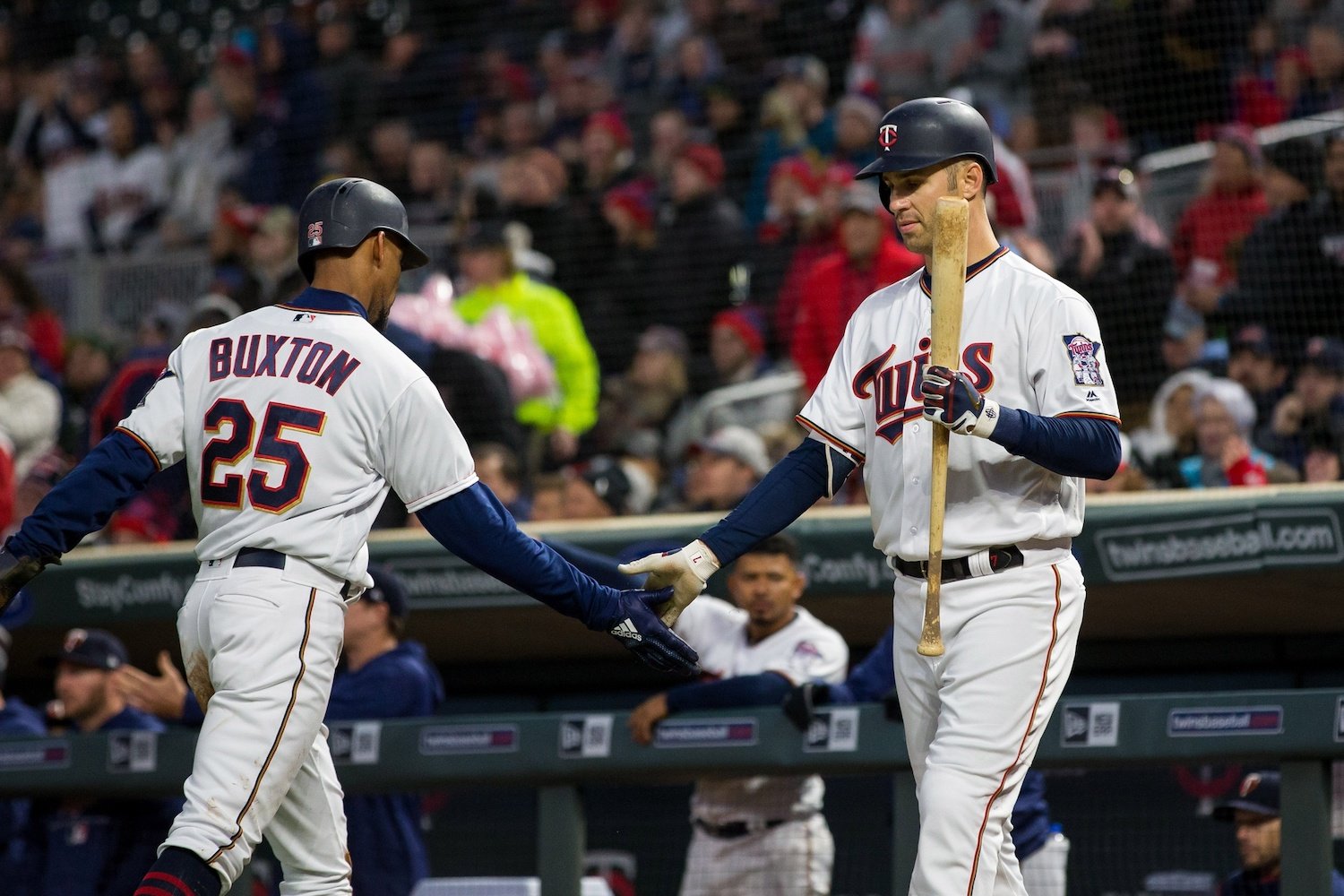
Baseball’s loyalty landscape has transformed dramatically since the mid-1970s, when true free agency emerged, empowering players to test the open market. At the same time, the absence of a hard salary cap has allowed payrolls to diverge widely, with franchises like the Dodgers and Mets outspending smaller-market clubs by hundreds of millions annually. Today’s stars are often nomadic, chasing opportunities and record contracts across multiple cities, a stark departure from the days of career-long, one-club heroes who could be the face of a franchise.
Generational talents now have less reason to stay put. Juan Soto began the 2025 season with his fourth MLB organization before turning 27. He debuted with Washington (2018–22), then moved to San Diego, New York (Yankees), and now the Mets. He’s not the only superstar to bounce between franchises.
MLB Network’s “Top 100 Players Right Now” list, unveiled in mid-February, highlights how common multi-team resumes have become. Remarkably, six of the top-12 players on that list have donned multiple uniforms: Shohei Ohtani (Angels, Dodgers), Mookie Betts (Red Sox, Dodgers), Juan Soto (Nationals, Padres, Yankees, Mets), Francisco Lindor (Guardians, Mets) Freddie Freeman (Braves, Dodgers), and Bryce Harper (Nationals, Phillies).
Joe Mauer: A Hall of Fame Hometown Hero
Mauer’s career is a testament to the possibility of long-term player-team relationships. A St. Paul native, Mauer was the Twins’ first overall pick in the 2001 MLB Draft. His 2009 season was historic, earning him the American League MVP award after leading the league with a .365 batting average. Retaining Mauer became a priority as the Twins prepared to move into their new home, Target Field, in 2010.
In March 2010, the Twins signed Mauer to an eight-year, $184 million contract extension, making it the fourth-largest contract in MLB history at the time. The deal included a full no-trade clause, ensuring that Mauer would remain with the team through the 2018 season. This move secured a franchise cornerstone and energized the fan base as the team opened a new ballpark.
Many fans will focus on the end of Mauer’s career when concussions forced him to move from catcher to first base. However, FanGraphs pegged his value to the Twins throughout his career at over $330 million, and he was paid just over $218 million. He entered the Hall of Fame on the first ballot, and his candidacy was likely boosted by his story of a hometown hero who played his entire career in Minnesota.
Byron Buxton: A Different Path
Buxton’s journey with the Twins has been marked by immense potential but tempered by injuries. Drafted second overall in 2012, Buxton’s athleticism and defensive prowess quickly became evident. However, injuries limited his playing time, preventing him from consistently showcasing his talents.
Recognizing his potential, the Twins and Buxton agreed to a seven-year, $100 million contract extension in November 2021. The deal was structured to account for Buxton’s injury history, featuring significant performance-based incentives. These include bonuses tied to finishing in the top 10 of MVP voting and additional bonuses for reaching specific plate appearance thresholds.
This contract reflects a mutual commitment: the Twins’ belief in Buxton’s abilities and Buxton’s desire to remain with the organization that drafted him. It’s a strategic move that balances financial prudence with the potential for high rewards should Buxton stay healthy and perform at an elite level.
Some fans will continue to view Buxton as not worth his contract because of his lengthy injury history. But it’s important to note that his $15 million per season is a total that a player of his skillset can easily reach. In 2025, FanGraphs already pegs him as providing the Twins with $12.4 million in value. Last season, Buxton was worth $29.7 million. Since signing his extension, he has been worth $18.65 million per season even with a terrible 2023 campaign ($4.7 million) and only a quarter of the 2025 season on the books.
The Twins’ Commitment to Homegrown Talent
The decisions to retain Mauer and Buxton underscore the Twins’ dedication to building around specific homegrown players viewed as generational talents. In an era where player movement is rampant, Minnesota’s approach emphasizes stability and continuity. By investing in their own talent, the Twins foster a strong organizational culture and maintain a connection with their fan base.
While some may question the financial wisdom of such long-term commitments, especially given the uncertainties of player health and performance, the Twins’ strategy offers a counter-narrative to the prevailing trends in MLB. It highlights the value of loyalty from the organization and the players and the importance of cultivating a team identity rooted in homegrown success.
As MLB continues to evolve, with players frequently changing teams in pursuit of new opportunities, the Minnesota Twins’ commitment to retaining their homegrown stars like Mauer and Buxton stands out. The Twins offer a compelling example of how teams can navigate the modern baseball landscape while staying true to their roots.
Did the Twins make the correct decision to keep Mauer and Buxton? Leave a comment and start the discussion.