
For the first time in what feels like forever, the Minnesota Twins didn’t hedge. They didn’t straddle the line between buying and selling, between rebuilding and retooling, between competing and coasting. They made a decision. They picked a direction. And they went all in.
At the 2025 MLB trade deadline, the Twins executed one of the most aggressive sell-offs in recent major-league history. Ten players from the active 26-man roster were traded away (11 players in total). Team leaders, high-leverage relievers, young controllable talent, all gone. The front office didn’t tiptoe around tough decisions. They didn’t try to sugarcoat their situation. They saw the writing on the wall and decided to act with purpose.
That, in itself, is worth celebrating. Because for the past two years, the opposite has been true. This front office has, in many ways, become synonymous with inaction. In 2023, their lone deadline move was acquiring Dylan Floro. In 2024, it was Trevor Richards. Those aren’t exactly needle-movers. Nor was it just the deadline paralysis that defined them. It was the broader refusal to shift course in any meaningful way. After a playoff appearance in 2023, the Twins slashed payroll by $30 million but made no real roster changes beyond those absolutely necessitated by that slashing. Following a late-season collapse in 2024, they once again ran it back, keeping their core untouched. Even as cracks formed in the foundation, the team stuck with manager Rocco Baldelli and doubled down on the same formula that was no longer working.
It all felt like a team stuck in limbo, afraid to take a real risk—afraid to pick a lane. Opportunities to sell high were passed over. Max Kepler could have been dealt after 2023. Edouard Julien or Jose Miranda might have netted solid returns after breakout stretches in 2023 and 2024. But the Twins held firm, betting on continuity and internal improvement. That bet failed.
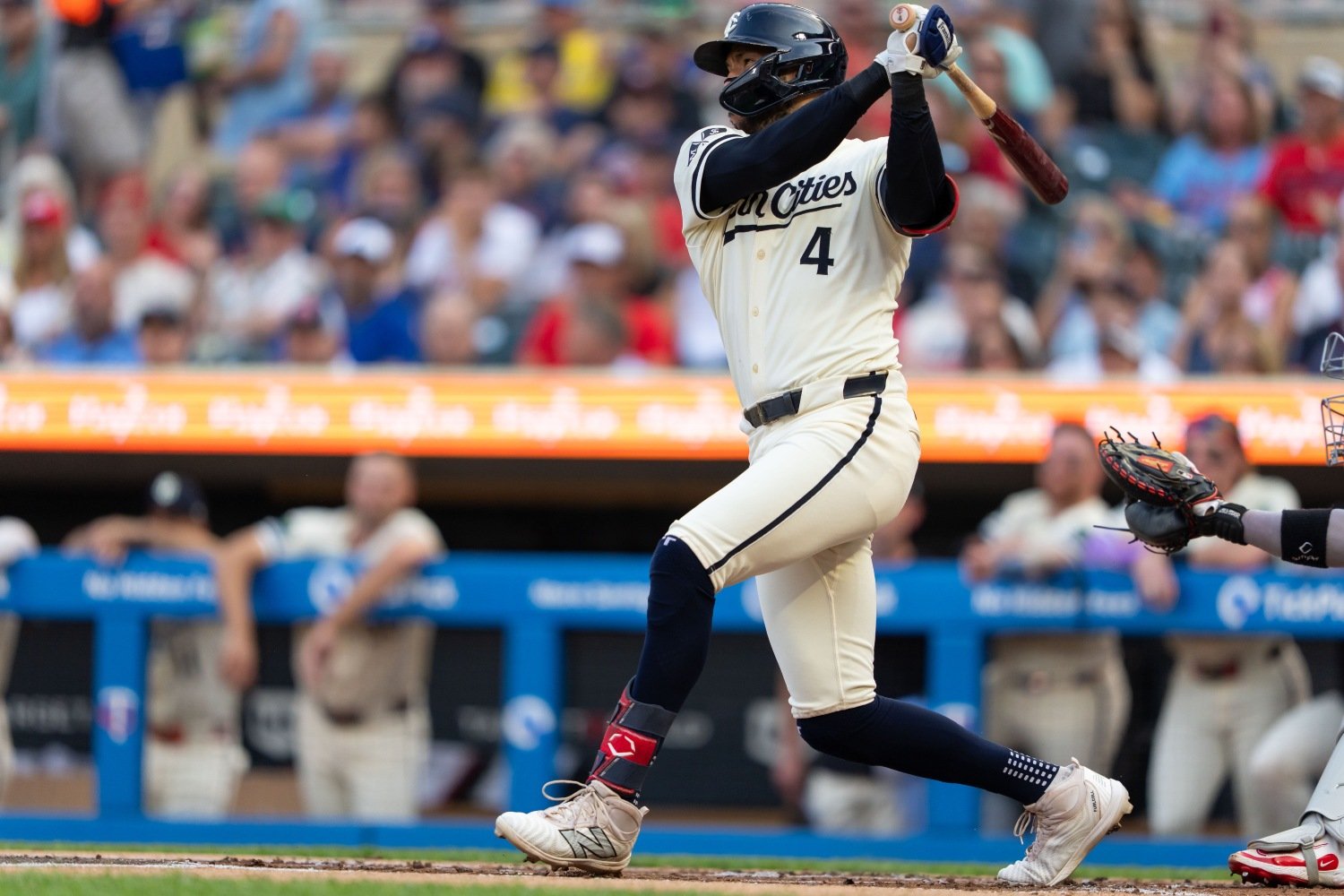
This week, the front office finally broke the cycle. This wasn’t just a sell-off. It was an admission, an acknowledgement that the team they had built—the one they extended, defended, and preserved over the past few years—was not good enough. So instead of watching it slowly erode, they hit the reset button. Hard. They didn’t dip a toe in the waters of a rebuild. They dove in headfirst. Even the decision to move Carlos Correa, the $200-million man and face of the franchise, underscored just how serious they were. They weren’t preserving icons or clinging to sunk costs. They were starting over.
Of course, there will be debates. Should they have dumped Correa’s salary? Could they have gotten more for Jhoan Duran and Griffin Jax? Did they really need to trade all of those guys, or could they have kept a couple of pieces in place? These are fair questions, and we’ll explore them here on Twins Daily all week long. But this article isn’t about the trades themselves. It’s not about value or prospects or WAR. This article is about something more fundamental: vision.
For once, the front office had one. You don’t have to love it. You don’t even have to agree with it. But you can finally say the Twins have a plan. They chose not to languish in the middle. They chose not to keep spinning the same wheels with the same core. They recognized that their window had closed, and they decided to tear it all down before the walls caved in on their own. In a sport where indecision is often the safest move, boldness is rare, but the Twins finally got bold.
What do you think? Was this the right time for a total reset? Let us know in the comments.