
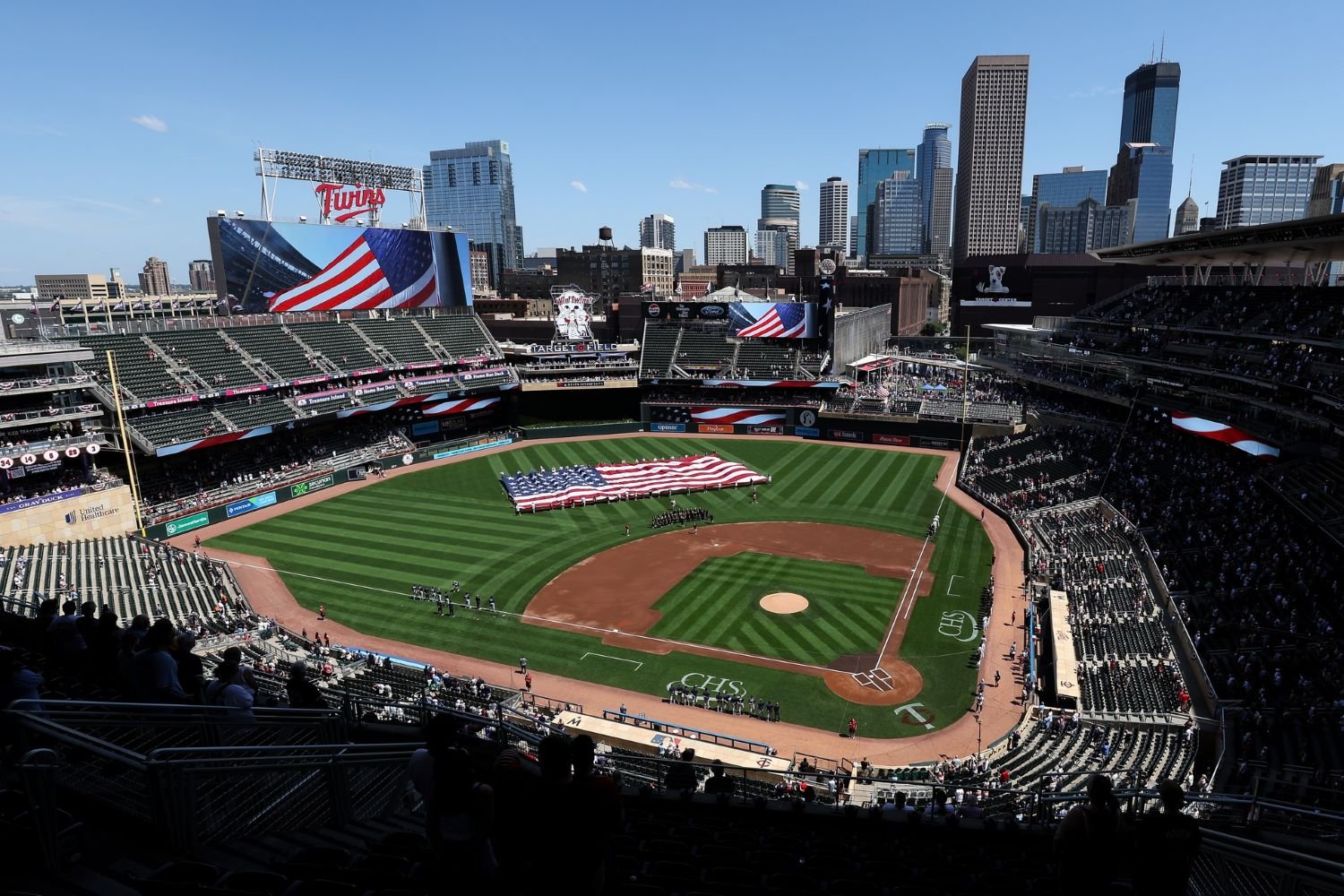
In a move sure to bring huge, largely negative reaction from Twins Territory, the Pohlad family will remain principal owners of the team, they announced via the team’s official channels Wednesday morning. There will be new limited partners (presumably, sources of new capital who will receive equity in return for shares of the team, paying down the debt the family has attached to the club in recent years), but the Pohlads will remain in charge.
This is an awkward and unsatisfying end to a nine-month process wherein the family announced an intention to sell the team, marketed it to multiple suitors, and eventually determined that they couldn’t get the price they wanted. In the late winter, Midwestern-based billionaire Justin Ishbia seemed on the cusp of buying the team, but backed out to increase his stake in the Chicago White Sox instead. Since then, the Pohlads have balked at lower-valued offers and flirted with others, but rather than sell the franchise, they’ve now decided to allow minority partners to soak up some of the financial burden they faced while holding onto what is still a highly profitable company.
For Twins fans, the key questions will be who comprises the new partnership groups and how much their presence alters the maddening tendency toward payroll constriction the Pohlads have shown over the last two years. Many had hoped for a fresh start with a new billionaire (or billionaire family), but while there are major downsides that must be remembered and discussed, the Pohlads looked like one of the better ownership groups in the game just a few years ago. Their financial setbacks in other family businesses became a problem for the Twins, because they began focusing on the bottom line and lost sight of the ways in which a little more spending would have generated a lot more revenue.
If their new partners have enough money (and, in effect, if they help retire enough of the family’s non-baseball debt by buying into the club) to loosen the purse strings again, the negative effects of the last two years of poor stewardship can be unwound fairly quickly. However, sticking around means that the Pohlads will have to find ways (beyond incrementally more spending) to repair their relationship with the fan base, after the team betrayed that fan base and broke whatever existing trust there was beginning in the fall of 2023. Whether Joe Pohlad (or anyone else in the family tree) is up for that difficult job is not at all clear.
The likelihood, therefore, is that there will be a new “face” of ownership brought into the picture, as part of this transaction. Joe Pohlad might remain the control person for the team, but some member of one of the new partnership groups might be moved out front to give the community a spokesperson from whom they might be more willing to hear a message of reconciliation and renewal. For now, this change in the direction of the would-be sale raises more questions than it answers, but within a few weeks, we’re likely to find out much more.