
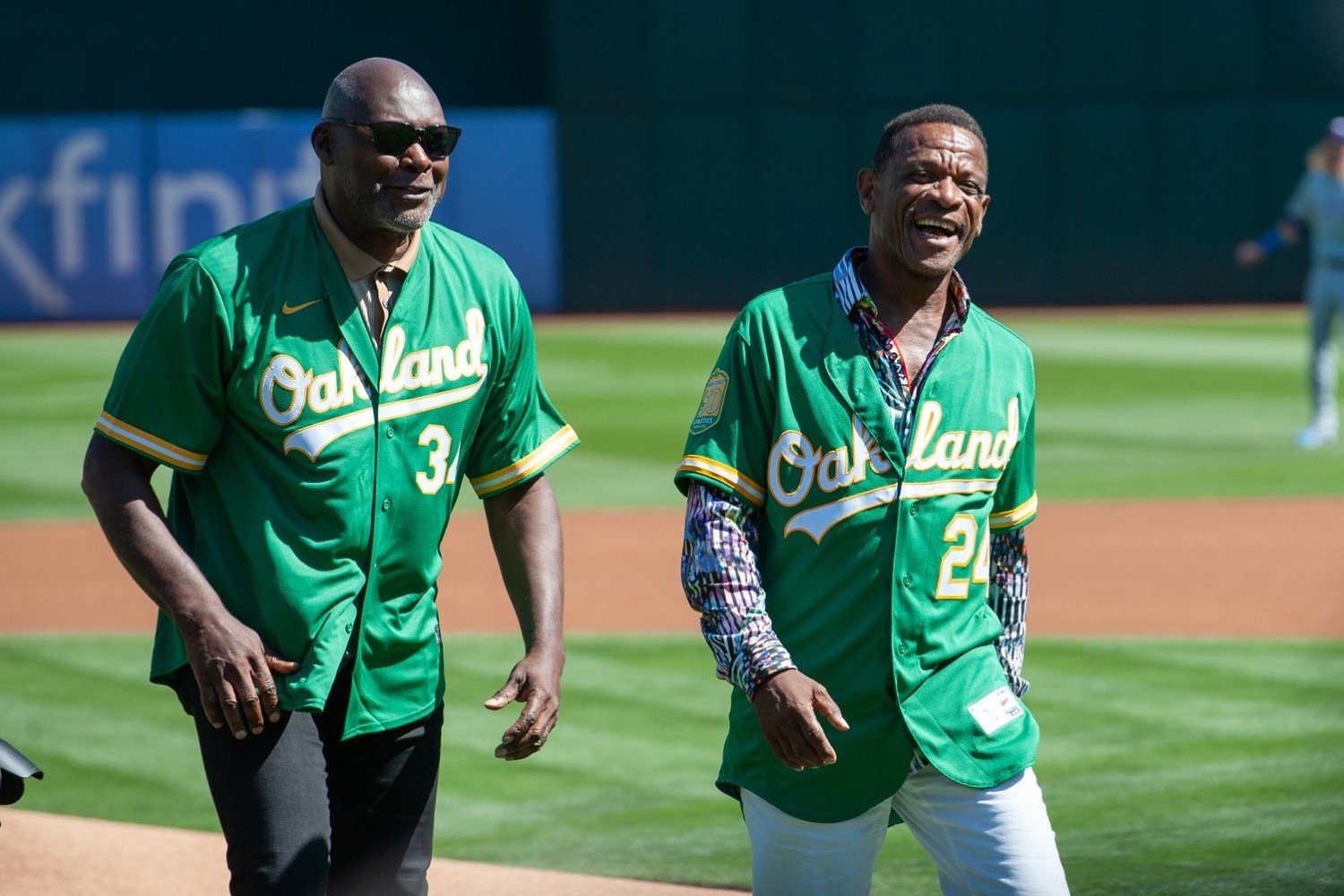
In September 2023, 46,889 fans gathered at their favorite ballpark to watch their team. The team won in an otherwise lost season, though some of the younger stars shined, while their elite closer finished the game.
Nobody left right after the final pitch, however, because the moment marked a somber occasion: the last Major League Baseball game in Oakland (for a while, anyway) after 50 years, all because owner John Fisher sought investment opportunities in the form of free government money elsewhere. Since then, the team has played in West Sacramento, in a minor-league ballpark—which the players hate—while failing to secure any money outside the state to begin building in their new “home” of Las Vegas. As of today, it’s still not clear the Athletics will ever play in the state of Nevada.
With Wednesday’s announcement that the Pohlads will continue to own the Twins (albeit with a cash infusion to draw down the unnecessary debt they assigned to the team), the question has to be raised: is it becoming (at least incrementally) more likely that the team eventually moves out of Minnesota?
Here are the crucial facts. When the Pohlads signed an agreement with Hennepin County, it secured a runway of 30 years for Target Field through a tax. That tax was actually wildly successful; it’s already essentially paid off (with interest!) any of the debt that the state incurred. As Twins fans know from the 2001 decision from Judge Harry Crump, the Twins are legally required to play in the ballpark until the end of the lease. You can find plenty of legal scholars who feel Crump ruled incorrectly, and taking one’s chances with the court system is taking one’s chances, indeed, these days, but it seems safe to say that that initial lease agreement will be honored, no matter what.
In January of this year, the Minnesota Ballpark Authority (the public entity in charge of the venue) began crafting language that would extend the Twins’ future at Target Field, with 20 years more guaranteed and options for another 20 years. While approved by Hennepin County, the deal required the State legislature to continue the sales tax.
That state budget was passed in June of this year without the tax. Lawmakers suggested punting on the tax till 2026. Instead, they focused on a bipartisan bill to increase hospital funding, given recent Medicaid cuts by the Big, Beautiful Bill that will likely lead to cuts and closures throughout Minnesota.
There’s reason to wonder whether the Twins will be able to lobby their way to the passage of that tax extension, at this point. But more importantly, if and when the Pohlads try again to sell the team, maybe they’ll be more interested in potential buyers who would take the team elsewhere. Target Field is an architectural jewel and an aesthetic delight for fans, but it’s not a state-of-the-art facility from a team operations standpoint, and the area is not viewed as ripe for the kind of development that maximizes profitability.
But there are plenty of cities clamoring for a team, including Nashville, Portland, and Montreal. If the Pohlads remain unhappy owners of a product they do not care about, those other buyers are going to be increasingly attractive over the next decade. In fairness to Joe Pohlad, he insists that that’s simply not how the family (or at least a portion of the family) feels, and in fairness to the Twin Cities and Target Field, this is a much better-established and less complicated baseball market than any of the places hankering for expansion or relocation opportunities. However, unless the Twins can find a way to reignite the fanbase, the legislatures may look at the team and feel little pressure to invest taxpayer dollars in the future of the team and its home park. As I studied, the Pohlads have almost always chosen cash over community, again and again.
As Joe Pohlad told employees Wednesday morning, “There is alignment on how we see the Twins moving forward, and also in our belief in the future of baseball in Minnesota.” But what is that shared belief? A destination for decades to come? Or only the next decade? Maybe the story of the A’s will be a cautionary tale, and the Twins will have the good sense to stay home. But if Rickey Henderson and “Smoke” (Dave Stewart) weren’t enough to anchor that team in its baseball-loving long-time home, neither Joe Mauer nor “Señor Smoke” (Juan Berenguer) can guarantee the future of the Twins in Minnesota.