
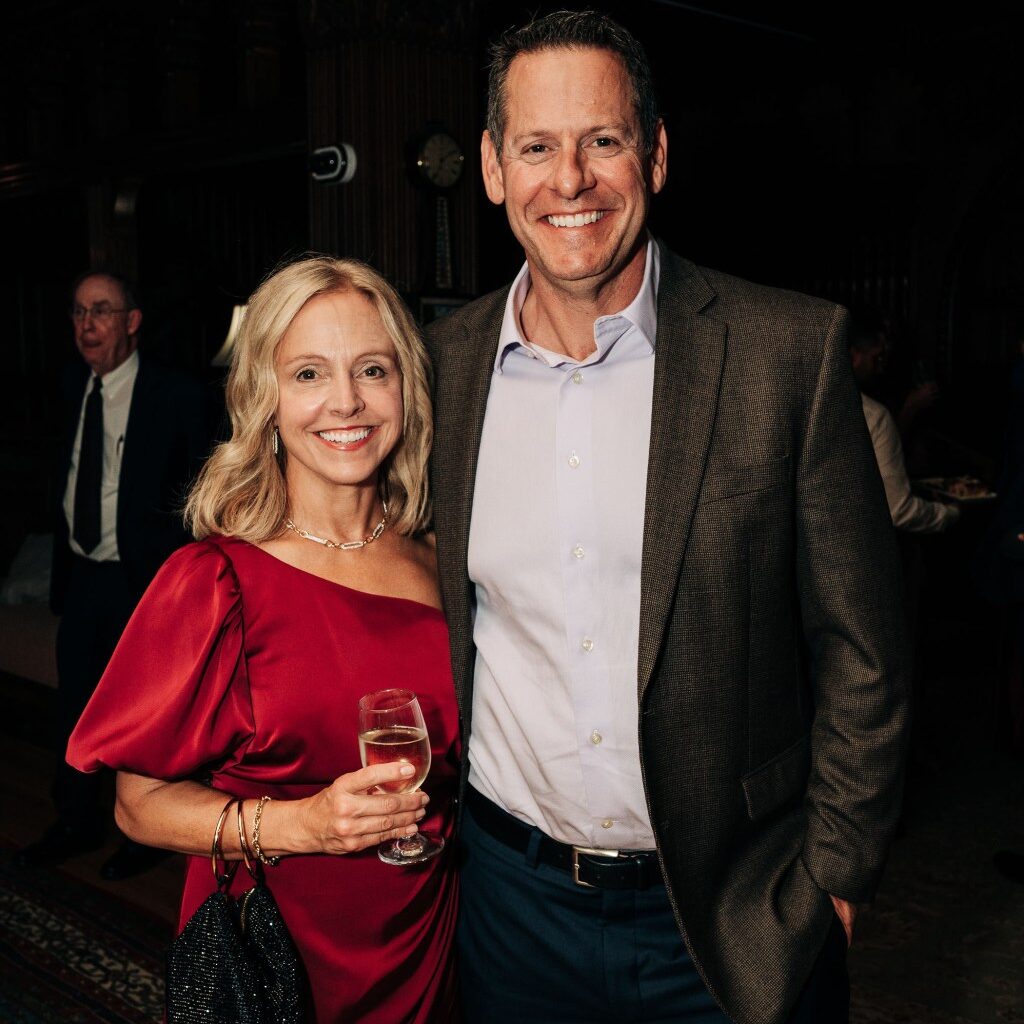
Since its founding in 1994 the Oldtime Baseball Game has become an integral part of the city’s baseball community, and in recent years the game has partnered with The Boston Home, a non-profit residence and resource for adults with advanced neurological disorders such as multiple sclerosis.
This year, the game’s guest of honor is a longtime Red Sox executive who knows from experience just how challenging the disease is.
Gus Quattlebaum, who serves as Red Sox vice president of scouting, development and integration, will throw out the first pitch at this year’s Oldtime game, which will be held tonight at St. Peter’s Field in Cambridge starting at 7 p.m. Quattlebaum was himself diagnosed with primary progressive MS in 2021, and he said he hopes his participation will help put a spotlight on an organization that many in his shoes have come to rely on.
“It’s a disease I’ve come to learn comes in different shapes and sizes and not necessarily great for the baseball life, but something I’ve grown comfortable with and I’m tackling head on,” Quattlebaum said. “A lot of people have helped me through this process and it’s something that there’s nothing more rewarding and healing when you go through this than helping others, so when a group like The Boston Home reached out, I always want to help on that front.”
Multiple sclerosis is a disease of the central nervous system that disrupts the flow of information within the brain and body, and primary progressive MS is a variety in which afflicted individuals experience gradually worsening neurological symptoms. Quattlebaum was diagnosed on Christmas Eve of 2021 after what he described as a lengthy series of tests, and has spent the past few years managing the disease in an effort to continue living as normal a life as possible.
“There are very different symptoms, you can be affected by your environment, whether it’s the stress in the environment or the heat and humidity, there’s different things, people are affected differently,” said Quattlebaum, who plays an integral role in the Red Sox’s scouting efforts and often travels all over the world. “But as it relates to me, I have some mobility issues, fatigue issues, I lose balance quite easily at times and fatigue is something that’s real. But again, it’s hard for me to speak for the entire community because it affects everyone differently.”
Quattlebaum said over the past few years he’s placed an emphasis on living a healthier lifestyle, which has allowed him to remain mobile. But Victoria Stevens, who serves as The Boston Home’s director of communications, said many affected by the disease are not so fortunate.
“The people who live at The Boston Home have the most progressive and advanced form of MS, so for them, for reasons that are not yet well understood their disease just progresses faster and people who maybe five or six years ago were doing fine now have lost the ability to walk,” Stevens said. “Some lose the ability to speak, many eventually have paralysis in their hands. The main thing about The Boston Home is we really work hard to support independence for as long as possible.”
This year marks the third year the Oldtime Game has partnered with The Boston Home, and last year’s game helped raise $100,000 for the non-profit. Among other things, those funds have helped The Boston Home provide custom wheelchairs to its residents, which sometimes include special features like eye-tracking software that gives residents who can no longer speak the ability to communicate.
“It’s made a huge difference for us,” Stevens said.
For more information about the Oldtime Game visit oldtimebaseball.com, and to learn more about The Boston Home, visit thebostonhome.org.