

What’s the worst things Bengals fans would do for Joe Burrow’s health?
What is the absolute worst thing Cincinnati Bengals fans would do for Joe Burrow to stay healthy for the rest of his career? We asked them.
Ask columnist Jason Williams anything − sports or non-sports – and he’ll pick some of your questions and comments from his inbox and respond on Cincinnati.com. Email: jwilliams@enquirer.com
Subject: Cincinnati Bengals, Reds disappointment, apathy
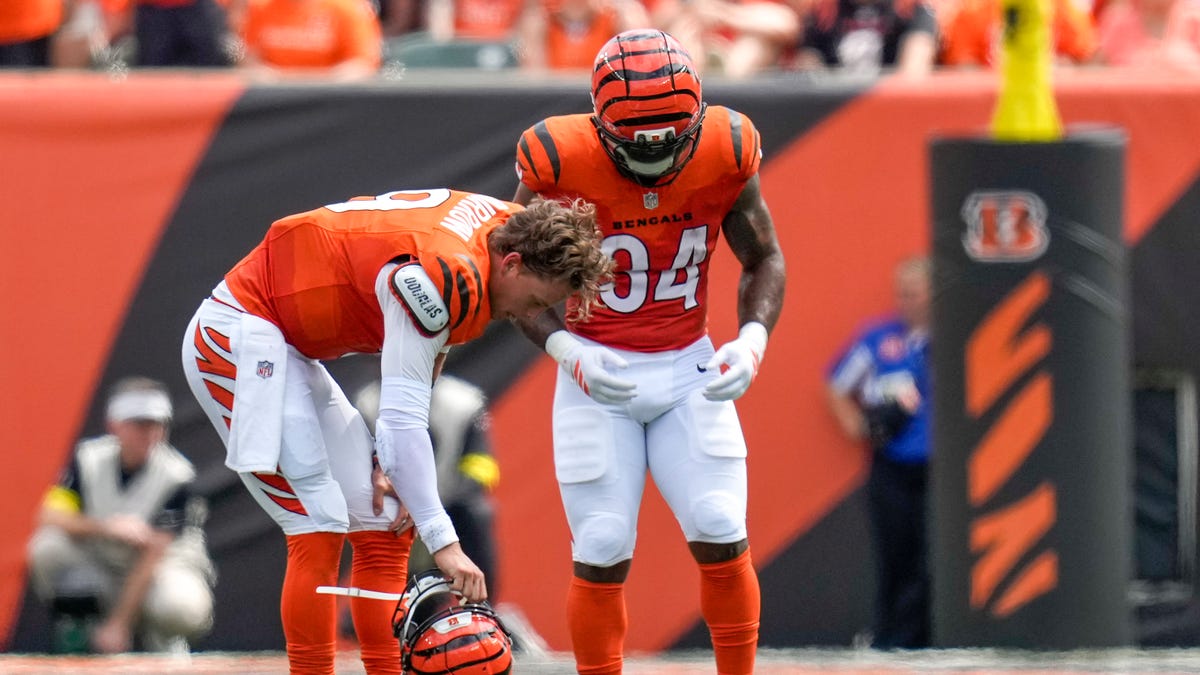
Message: It’s downright depressing being a Cincinnati sports fan. Last weekend was one of those times when I just wonder if Cincinnati sports are cursed. Joe Burrow went down with an injury again and the Reds got swept in a minor league ballpark (by the Athletics) when they had a chance to take the lead in the wildcard race.
It’s not the first time I’ve thought we’re cursed. See: Burrow’s injury in 2023; Kenyon Martin’s broken leg; Bengals losing three Super Bowls by a score; the blown playoff game to the Steelers (2016). I could go on, but what’s the point of getting excited about the Reds and Bengals anymore when I know they’ll disappoint me each season?
Reply: The point is you care. You probably grew up a Reds and Bengals fan – or you’ve been a fan for a long time – so you have a deep, personal attachment. Your parents, kids, buddies and neighbors also are fans, so you have built a sense of community around these teams. You have civic pride and understand how important these teams are to where we live.
All that leads to you having hope ahead of each season.
And that hope keeps you from quitting on the teams.
Of course, none of that eases the frustration of what’s happening right now with the Reds and Bengals. It’d be easy for me to tell you: “Relax. It’s just sports.”
Sure, it’s just a game. But it’d be flippantly dismissing all the things I mentioned above to say: “It’s just sports. Get over it!” It’d also be letting the owners of both teams off the hook – because cutting corners to save a few bucks certainly contributes to keeping these teams from being legitimate title contenders.
When people tell me they’re depressed about their favorite team, I think about my own fan interest. I love Marshall Thundering Herd football. I didn’t go to school at Marshall, but I donate to the program and Herd football is my lasting connection to the region where I grew up. The Herd is a perpetual underdog, a smaller program with fewer resources than Ohio State and Notre Dame, and that’s certainly been part of my connection as native Appalachian.
I know how down I am after they lose. Until a few years ago, I’d let it ruin my entire weekend if the Herd lost. Not kidding. It’d take me the rest of Saturday and all of Sunday to get over it. I didn’t want to talk to anyone, including my own kids.
Things started to change when my wife told me how ridiculous I was being and made me realize I was squandering valuable family and friends time by stewing over one game. A game that I had absolutely no involvement in or control over, she pointed out.
I’d lost perspective.
When the Herd loses now, I go find something to do with my kids and think about what I’m going to do on Sunday. I no longer immediately scroll through Twitter or go on the fan message boards. It sounds simple, but it’s helped.
Some may be rolling their eyes and chuckling. But how our favorite teams fare can have an impact on our mental health.
I found a pragmatic list in Psychology Today on how to handle the ups and downs of your favorite team’s season. Here are some of the points from the article:
Maintain perspective: It’s OK to be passionate, but remember — it’s just a game. Keeping a big-picture view can help prevent losses from weighing too heavily.Connect with fellow fans: Whether in celebration or commiseration, talking with other fans can help regulate emotions.Engage in other activities: Diversifying interests can prevent sports from becoming an all-consuming emotional rollercoaster. Exercise, hobbies and socializing can help balance the highs and lows.Limit social media exposure: After a tough loss … taking a break from heated discussions can be beneficial for mental well-being.