
Getty Images
Major League Baseball’s competition committee is expected to approve the automated strike zone challenge system for the 2026 season on Tuesday, the New York Post reports. The 11-person committee consists of six owners, four players, and one umpire. Commissioner Rob Manfred has been strongly in favor of the challenge system and the six owners can vote it through.
In June, Manfred said MLB would propose the challenge system for 2026.
“My single biggest concern is working through the process and deploying it in a way that’s acceptable to the players,” Manfred said at the time. “There’s always going to be things around the edges that we need to work through and whatever, and I want them to feel like we respected the committee process and that there was a full airing of concerns about the system, and an attempt to address those concerns before we go forward.”
How does the ABS system work?
The ABS system, short for automated balls and strikes, has been tested in full in certain minor leagues the last few years. The challenge system is something of a compromise between full ABS and human umpires. With the challenge system, human umpires call every pitch, and each team can appeal two calls per game to ABS. You keep your challenge if your appeal is successful.
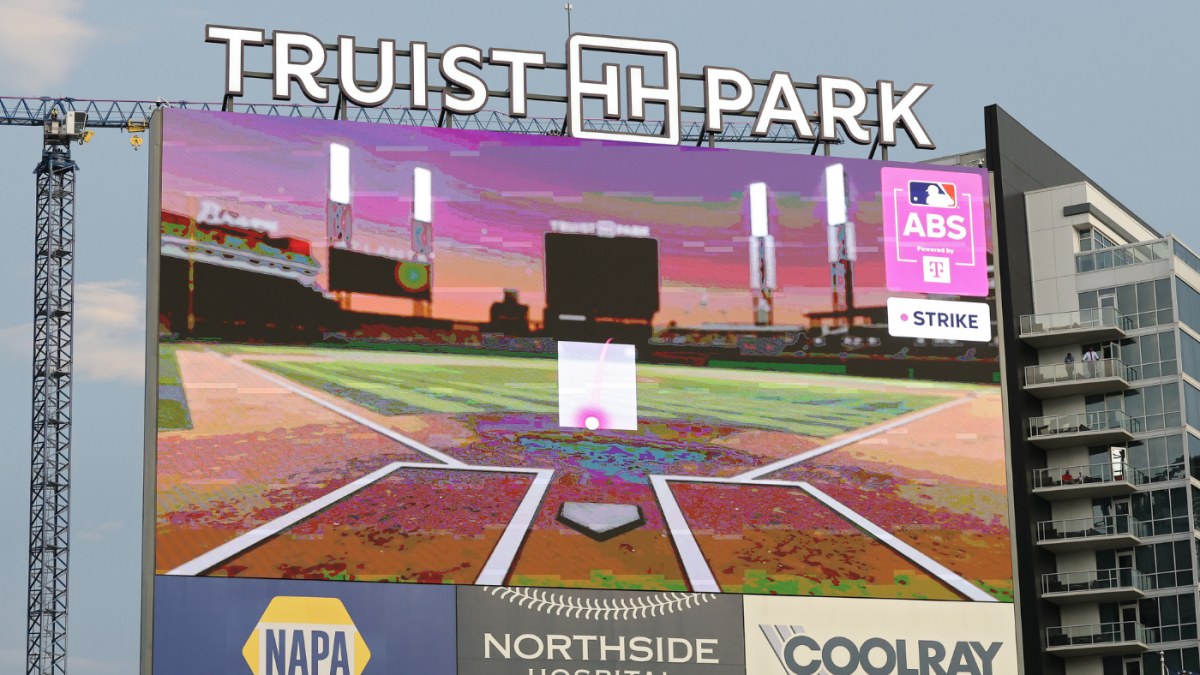
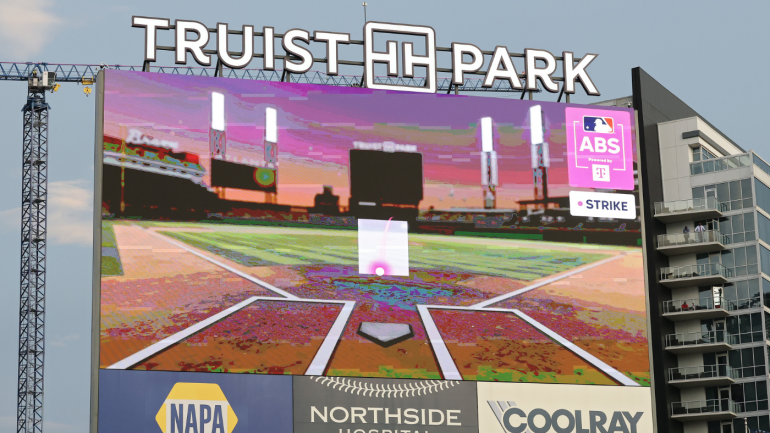
MLB tested the ABS challenge system with big-league players in spring training. It was used in this year’s All-Star Game as well and has generally received positive reviews. Here’s the challenge system in action:
Relatively quick and painless. The ABS challenge system has been tested in the minors long enough now that a good number of MLB players have played with it in the recent past, plus just about all of them were exposed to it in spring training.
MLB and the umpires’ union finalized to a new collective bargaining agreement this past offseason and it includes provisions for ABS to be implemented. The writing has been on the wall for some time now, and if the challenge system is indeed approved Tuesday, it will not be a surprise.
The competition committee can unilaterally implement on-field rule changes with 45 days’ notice to the MLB Players Association. The committee approved the pitch clock in recent years, among other things.