

We’re now past the midpoint of the college baseball regular season, when just about every high school prospect of note has begun his spring season as well, making it a good time to update the rankings of the best players in this year’s draft class. As I said in the first ranking in March, this is a deep class, but it’s weaker than ever at the very top, rivaling the 2016 draft for the worst top echelon of any draft I’ve ever covered. That’s going to mean we see a lot of well-under-slot deals this year, maybe right at the very first pick, to make up for the fact that none of these players would have gone first or second in a typical year, probably not even in the top five picks in the loaded 2023 class.
There is real depth in this draft, though: There’s a huge group of high school shortstops, many of whom project to stay there for the long term, along with a strong set of college left-handed starters and at least an average group of hard-hitting college outfielders. The college catching crop isn’t bad, either, although the high school group is almost nonexistent; the two best ones are probably going to end up in the outfield. It’s a good year to pick later in the first round, and still a good year to have an extra pick or two.
The SEC and ACC remain the powerhouses of talent they’ve always been. The California high school group is the best it’s been in several years. The Pacific Northwest has four high schoolers on this top 50 plus two college hitters; the Chicago area has two guys on this list, and could see two more on the top 100 that we’ll release next month. The Mid-Atlantic and Northeast are down, and Georgia is weak for the second year in a row.
I’ll do a full top 100 Big Board at some point in early May; it’ll be easier to do that than it has been to figure out who goes in the top 10 here and in what order. As a reminder, this is a ranking, not a prediction of who’ll be drafted where (I’ll start doing that in May as well). I’ve seen 31 of the players on this list myself this spring, and I add my own scouting notes on those players to what I’ve learned from talking to scouts and directors, reviewing video and looking at data on these players where available. This ranking is my best attempt to say in what order I’d draft these players if I were a scouting director for an MLB team, based on the best information I have right now.
(Notes: Scouting grades are on a traditional 20-80 scale; “the shadow” refers to space just past the strike zone, usually measured by the size of one baseball.)
Player Type Pitcher Position Player
School Type 4-Year College High School
Position 3B C LHP OF RHP SS

Loading
Try changing or resetting your filters to see more.
Scouting Report
Bats: L, Throws: R
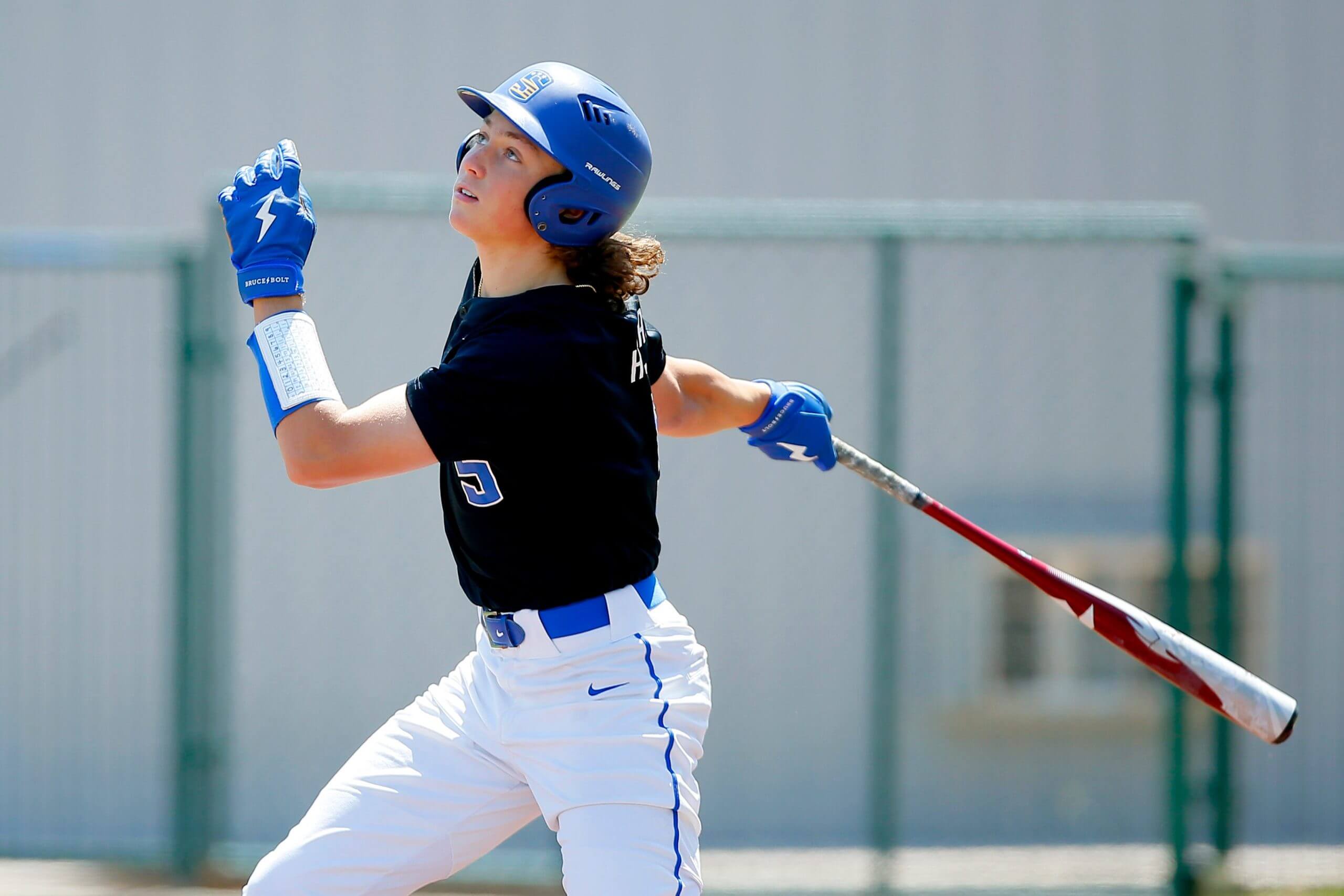
Holliday has come out strongly so far this year, showing more with the bat beyond power than he has in the past and playing better defense at shortstop, even though the broad consensus is he’ll end up at third base. He’s got easy, easy power, and he controlled the zone well last summer and fall, but he whiffed more than a top-of-the-draft hitter typically should (31 percent in measured events, per data from Synergy Sports). He swings very hard, as you might expect, even with two strikes, and can end up a little off-balance in his follow-through as a result. He may just need more time than his brother Jackson did to develop as a hitter; either way, he has more risk around the hit tool than Jackson had at the time of his draft. It’s 30-homer upside at third base, maybe with plus defense too.
Position Player
High School
SS
3B

Scouting Report
Bats: R, Throws: L
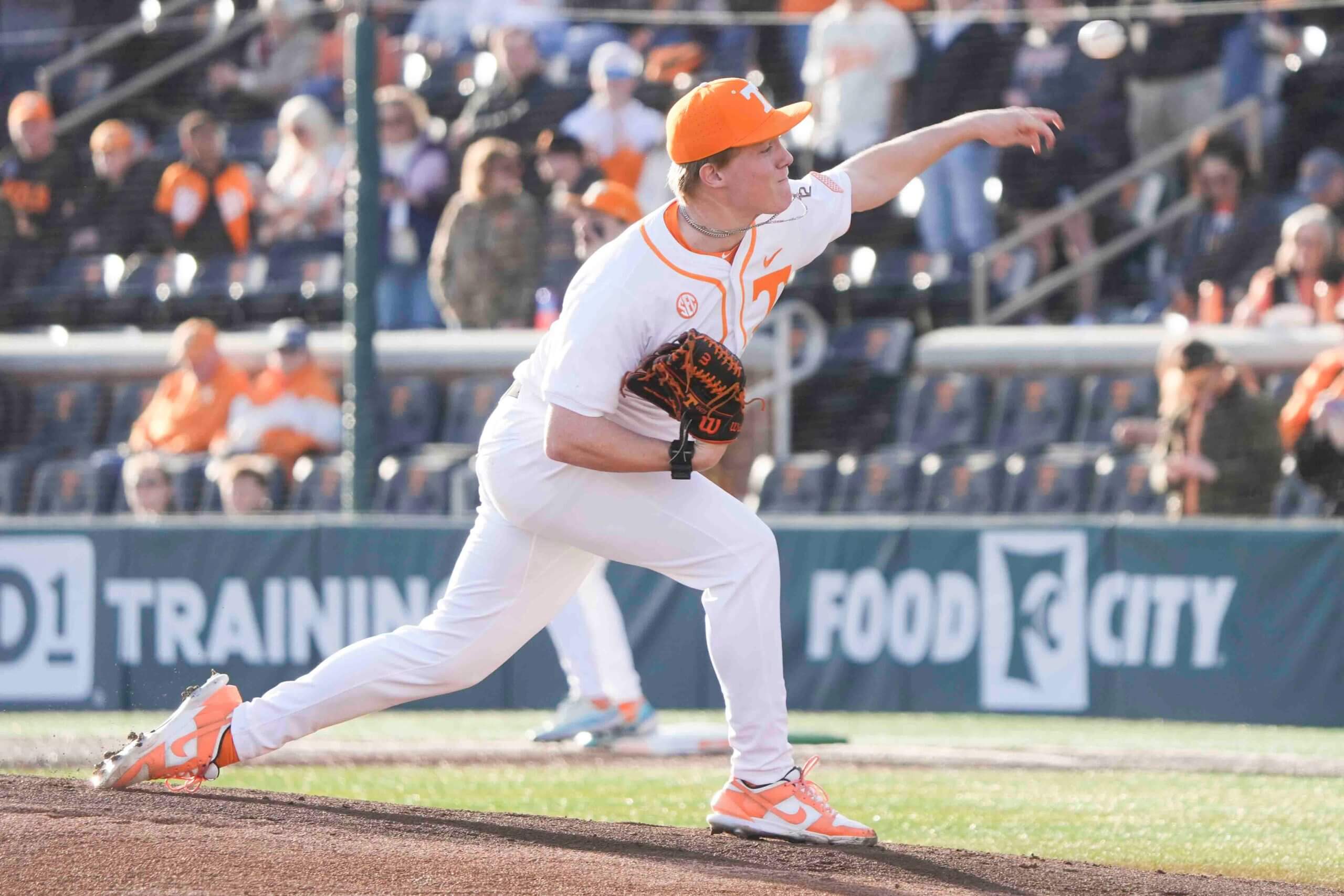
Doyle’s invisible fastball continues to get whiffs at an extraordinary rate for that pitch type, running around 45 percent even though he throws it two-thirds of the time. He also has a plus splitter and at least an average slider, throwing everything for strikes. He did run into some trouble in two straight starts in late March against Alabama and South Carolina, allowing 10 runs in 11 2/3 innings, but followed that up with six no-hit innings against Texas A&M. There are some concerns about whether he can repeat the delivery enough to work out as a starter, but if he does, it’s very high upside.
Scouting Report
Bats: L, Throws: L
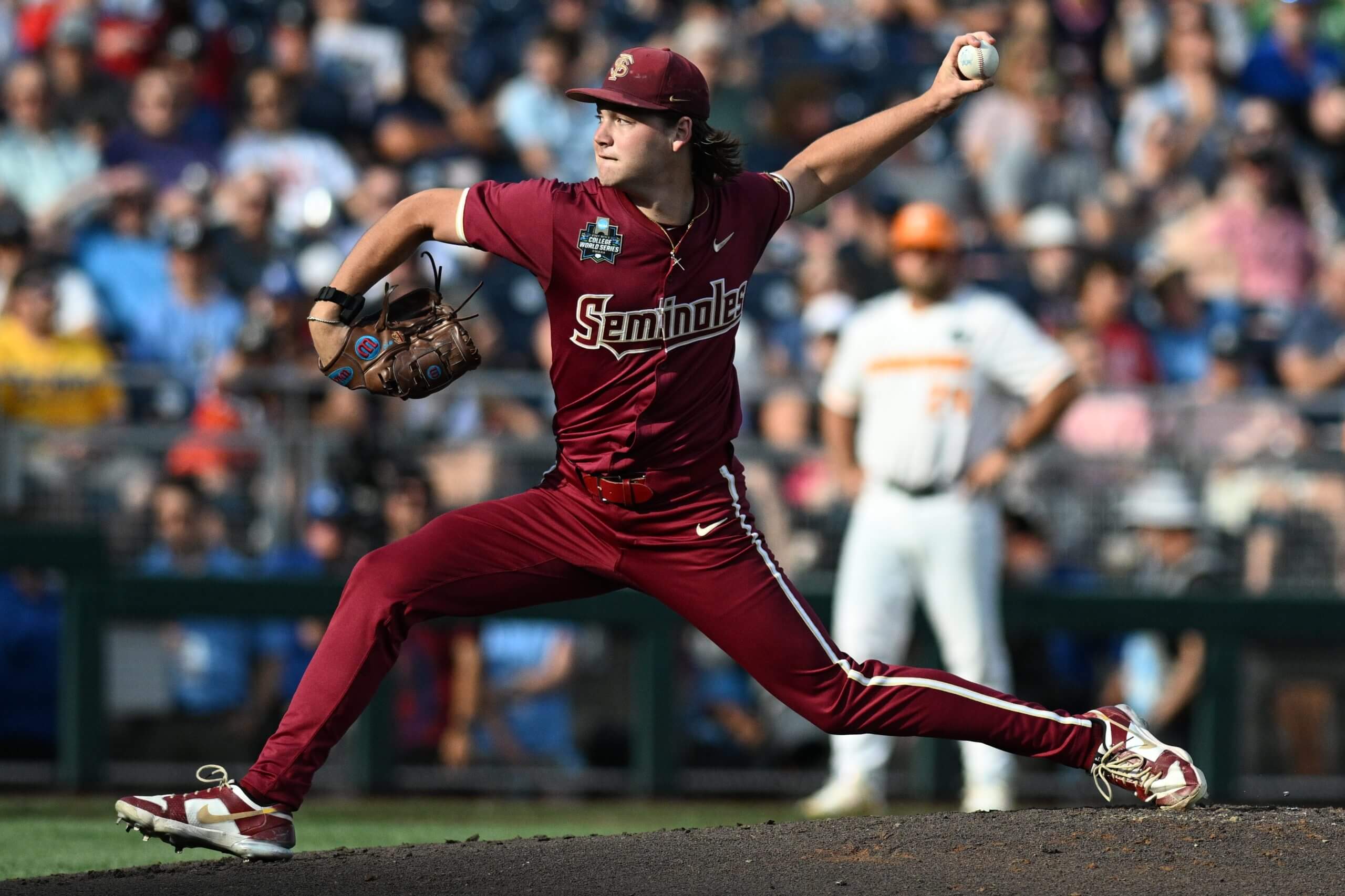
Arnold broke out as a sophomore in 2024 with 159 strikeouts in 105 2/3 innings for Florida State, walking just 25 batters (5.6 percent). He led all underclassmen in strikeouts, only finishing behind Chase Burns and Hagen Smith, both of whom were drafted within the first five picks last July. He comes from a very low slot that’s nearly sidearm, working mostly 92-95 with a plus slider and at least a 55 changeup, and he throws everything for strikes — if anything, he could stand to go out of the zone a little more often to get some chases. It’s a surprisingly low-effort arm action, and other than a slight cutoff in his landing that has him coming a little bit across his body, the delivery works well; there could certainly be more velocity here, but why bother when he’s so effective as is? He missed a start in March due to illness and had several rough outings after that, followed by two excellent starts the past two weekends where he threw 12 innings, walked four, and struck out 19, allowing just a single run. It’s a top-two starter package, rivaling Liam Doyle for the best in the class.
Scouting Report
Bats: R, Throws: R
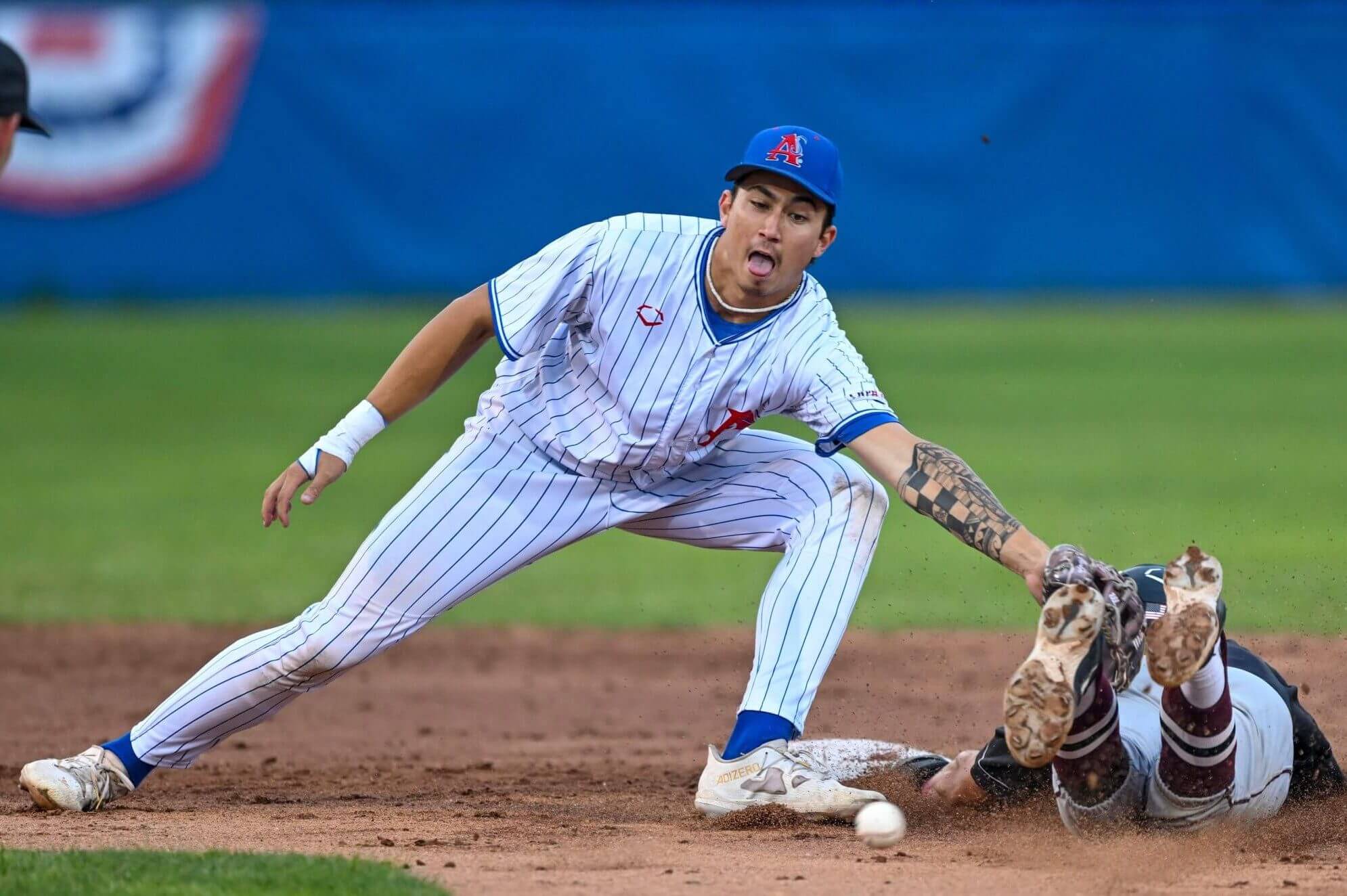
Arquette transferred from Washington to Oregon State this year and has seen all of his offensive stats tick up, although Oregon State’s independent conference schedule might be helping in that department. He’s got great hand-eye coordination and rarely strikes out, cutting down on his whiff rate with two strikes, and he has above-average to plus power to the pull side. He’s a shortstop now, but at 6-foot-5, 220, he’s already huge by MLB shortstop standards and will probably end up at third base.
Position Player
4-Year College
SS
Scouting Report
Bats: R, Throws: R
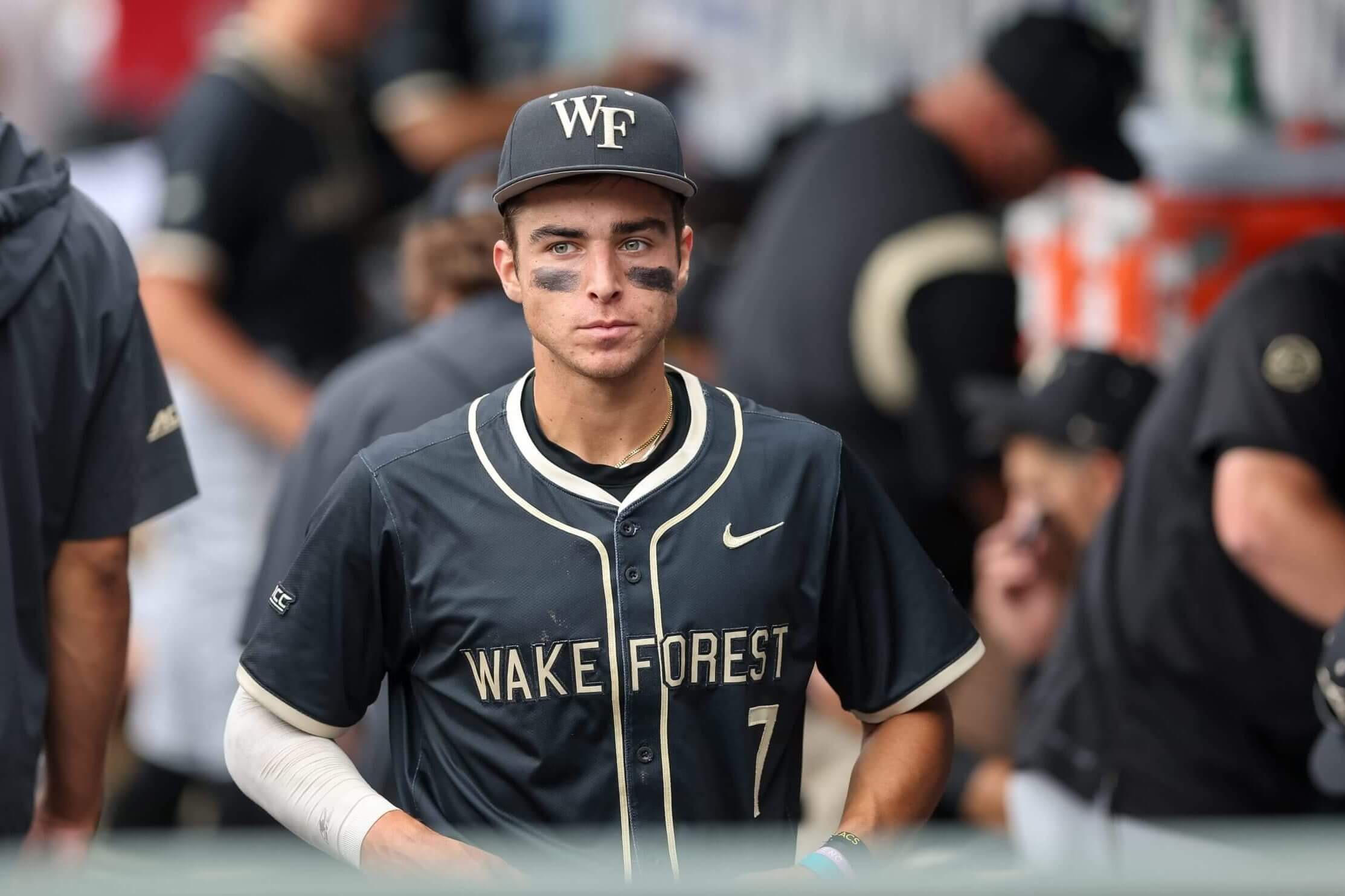
Houston already has more homers this year (10) in 34 games than he had last year (eight) in a full season of 54 games, although his batted-ball data shows a more modest improvement than that implies. He hit very well on the Cape last summer, posting a .306/.465/.329 line with more walks than strikeouts. He’s a high-contact hitter with a very sound approach, and he’s a plus defender at shortstop, one of the best in the class, offering a very high floor and now teasing some upside with the uptick in power.
Position Player
4-Year College
SS
Scouting Report
Bats: L, Throws: R
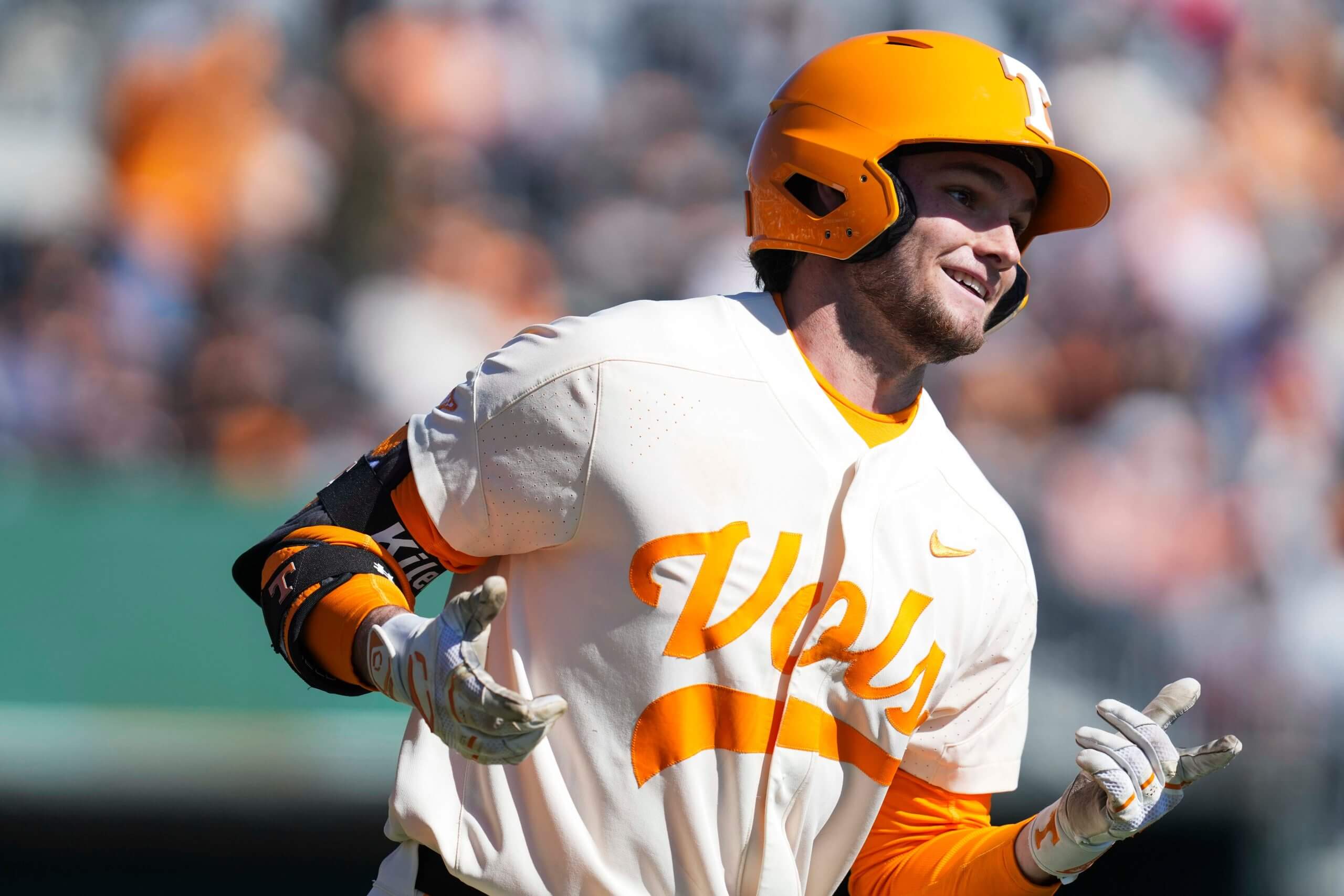
Kilen returned to the Vols’ lineup this past weekend as a DH after missing three weeks with a hamstring injury. He’s been one of the best hitters in the draft when he’s been able to play, with tons of hard contact, including power (10 homers in 77 AB after Friday night) and a whiff rate around 16 percent. He’s on the smaller side and probably ends up at second base, but if he carries this offensive performance through SEC play — and he did have similar results last year at Louisville — he’s an easy top-10 player in the class.
Position Player
4-Year College
2B
SS
Scouting Report
Bats: B, Throws: R
Willits, the son of former Angels outfielder Reggie Willits, is a true shortstop and a switch-hitter with very quick, short swings from both sides. He hit well across last summer and fall, showing high contact rates and rarely chasing pitches out of the zone, with just a 12 percent swing rate on pitches beyond the shadow. He’s very young for the class, having reclassified into this draft from 2026, and won’t turn 18 until December.
Position Player
High School
SS
Scouting Report
Bats: L, Throws: L
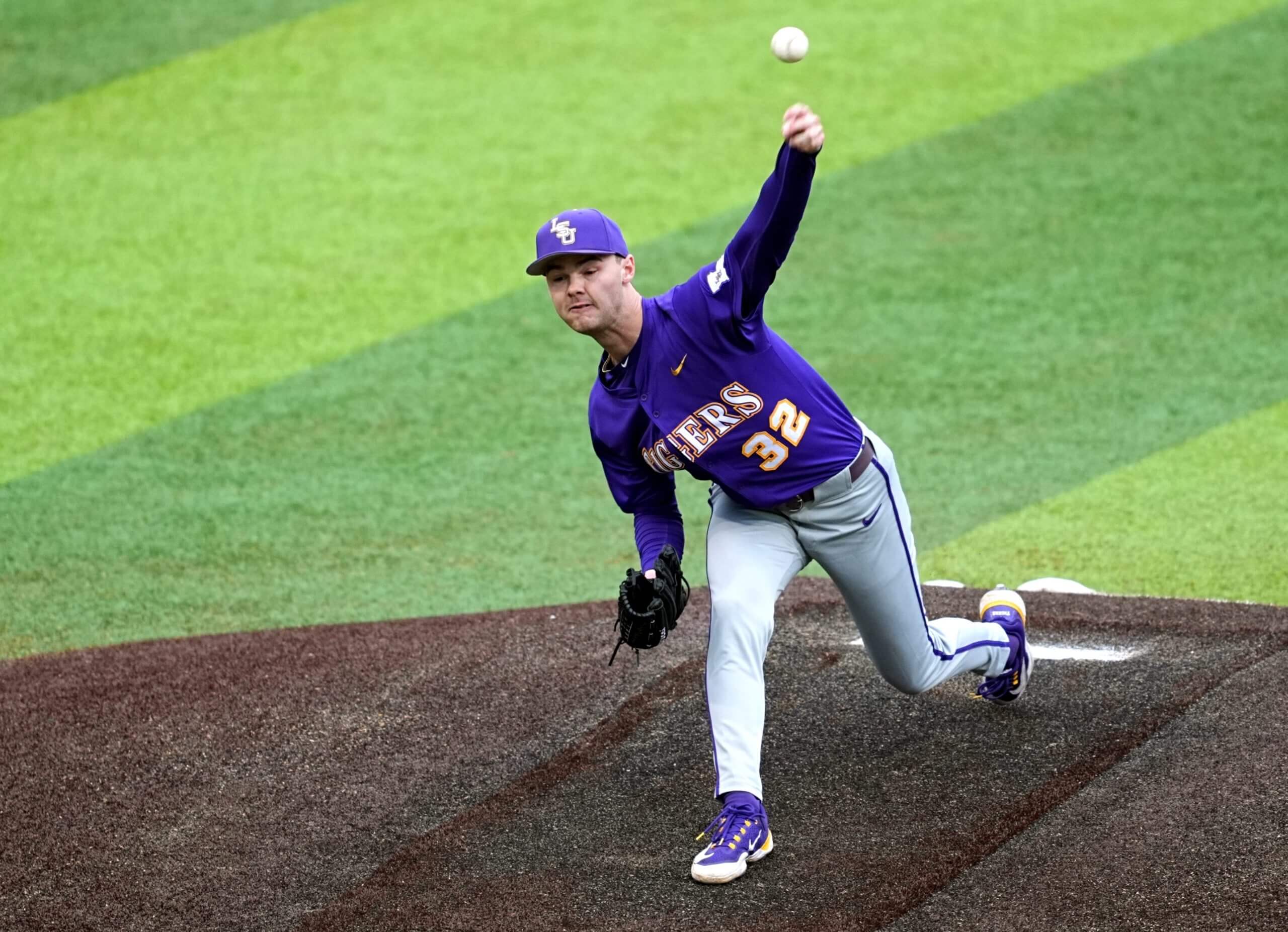
Anderson’s got a plus changeup, a four-seamer up to 95, a two-seamer in the low 90s, and a pretty good slider in the low 80s that he uses as his primary breaking ball. He’s a tremendous competitor who throws a ton of strikes, with a good delivery that he repeats well. He’s already had one Tommy John surgery and went 135 pitches two starts ago on a cold night in Oklahoma, which isn’t what you want.
Scouting Report
Bats: L, Throws: R
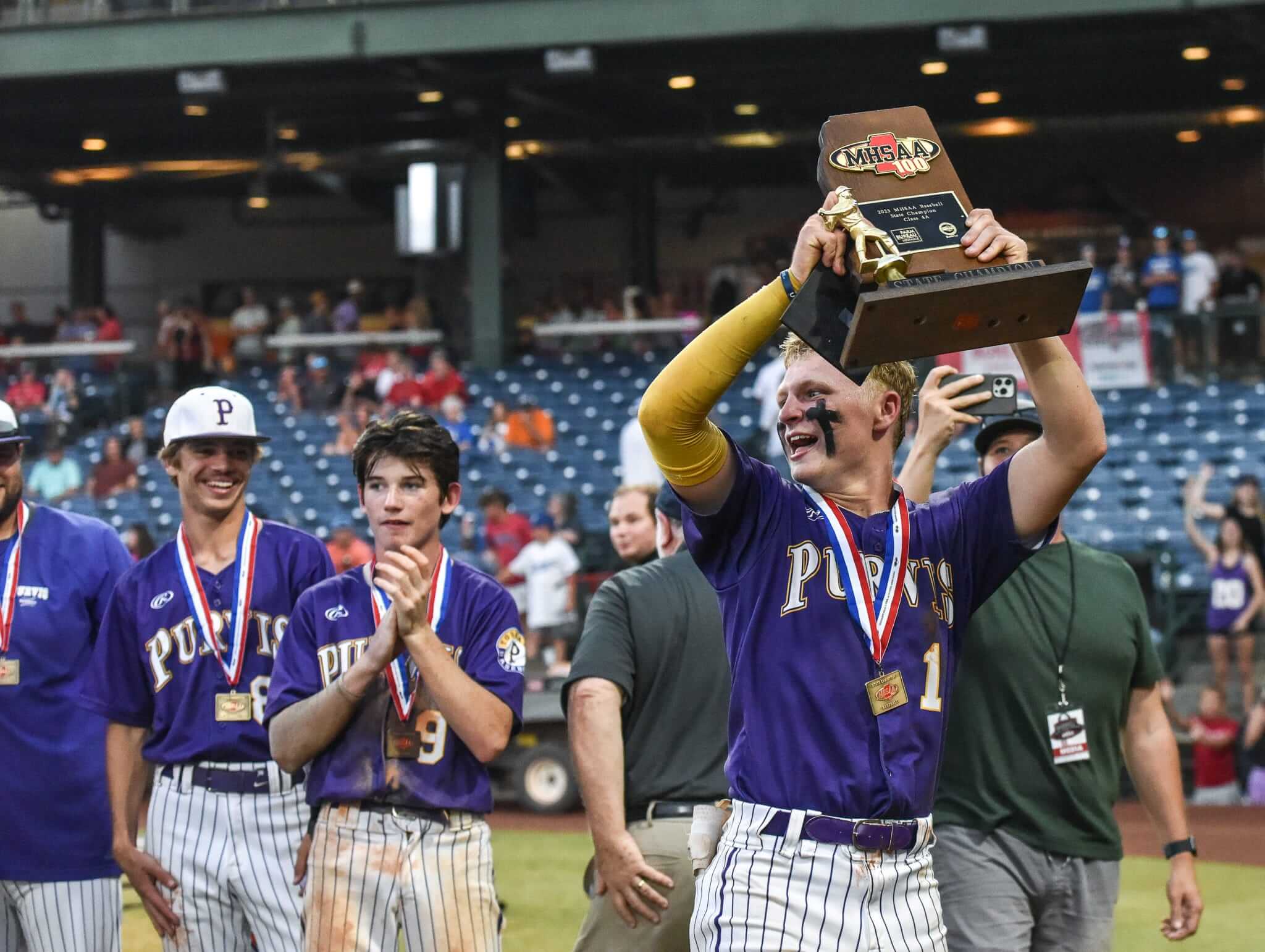
Parker is one of the best pure hitters in the draft class this year, with a very compact swing and excellent pitch recognition, unusual for a high school hitter from Mississippi. He’s shown only 45 power or so, but is strong enough to get to some more power if he loosens up his swing, perhaps giving up some contact to put some balls in the seats. He’s a solid athlete and average runner who could stick at shortstop but is unlikely to be plus there. His twin brother, Jacob, is an outfielder who is more of a power hitter, without JoJo’s hit tool. They’re both committed to Mississippi State.
Position Player
High School
SS
Scouting Report
Bats: R, Throws: R
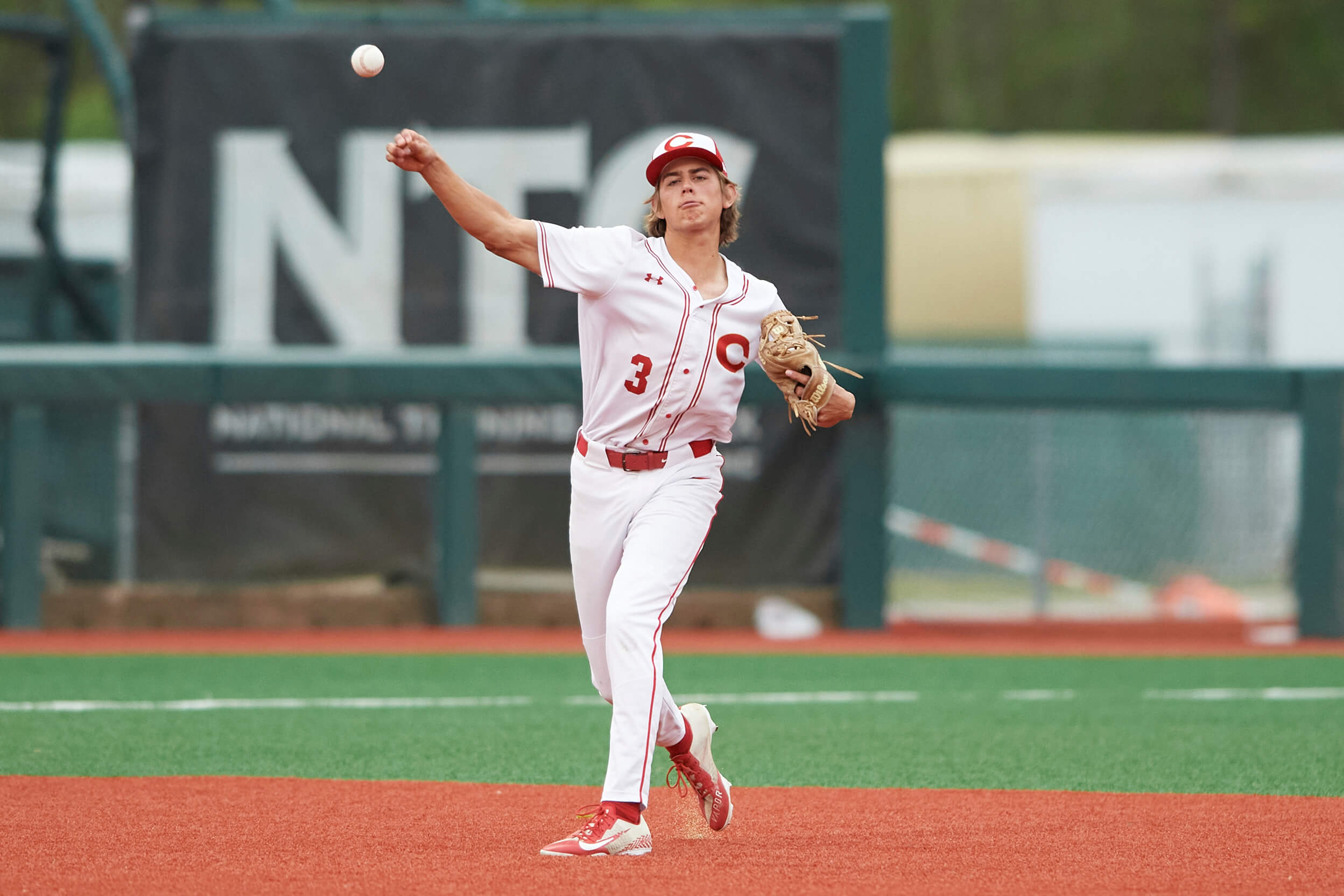
Carlson’s an elite defender at shortstop with a plus-plus arm and above-average raw power at the plate already; if scouts were sold on his hit tool, he might go No. 1. He doesn’t chase, though, and he doesn’t swing and miss, even with a very deep hand load that causes him to bar his lead arm. He’ll need some development help as a hitter, but the floor he provides with his defensive skills makes him one of the best prospects in the class.
Pitcher
Position Player
High School
SS
RHP
Scouting Report
Bats: L, Throws: R
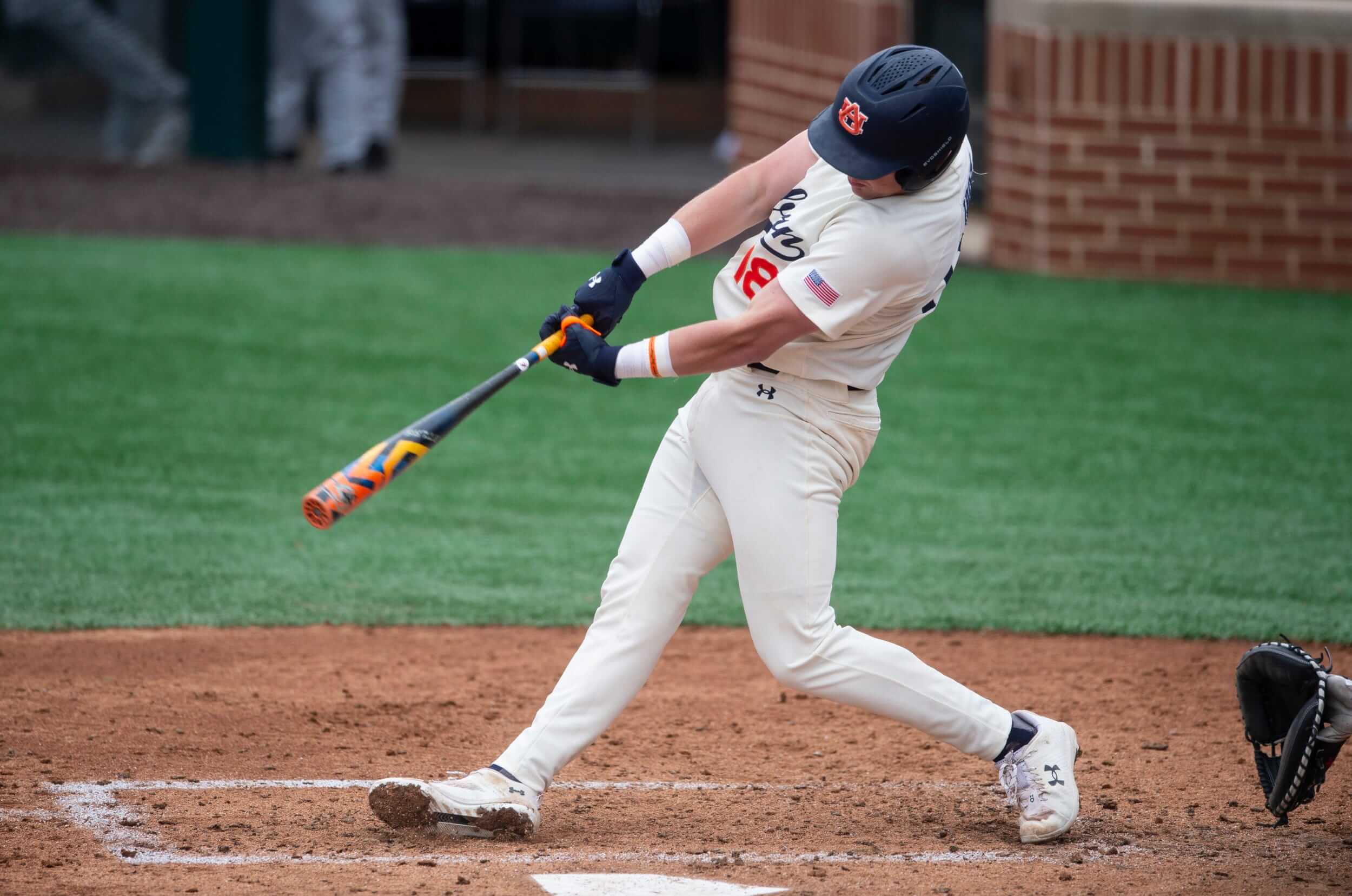
Irish hits the ball hard, often very hard, but it’s more line drives and ground balls, so it hasn’t translated into home-run power (14 homers last year, seven so far this year). He should stick behind the plate and could even be an above-average receiver, but he’s had some issues with blocking this year, and hasn’t been catching the past few weeks due to injury.
Position Player
4-Year College
C
Scouting Report
Bats: L, Throws: R
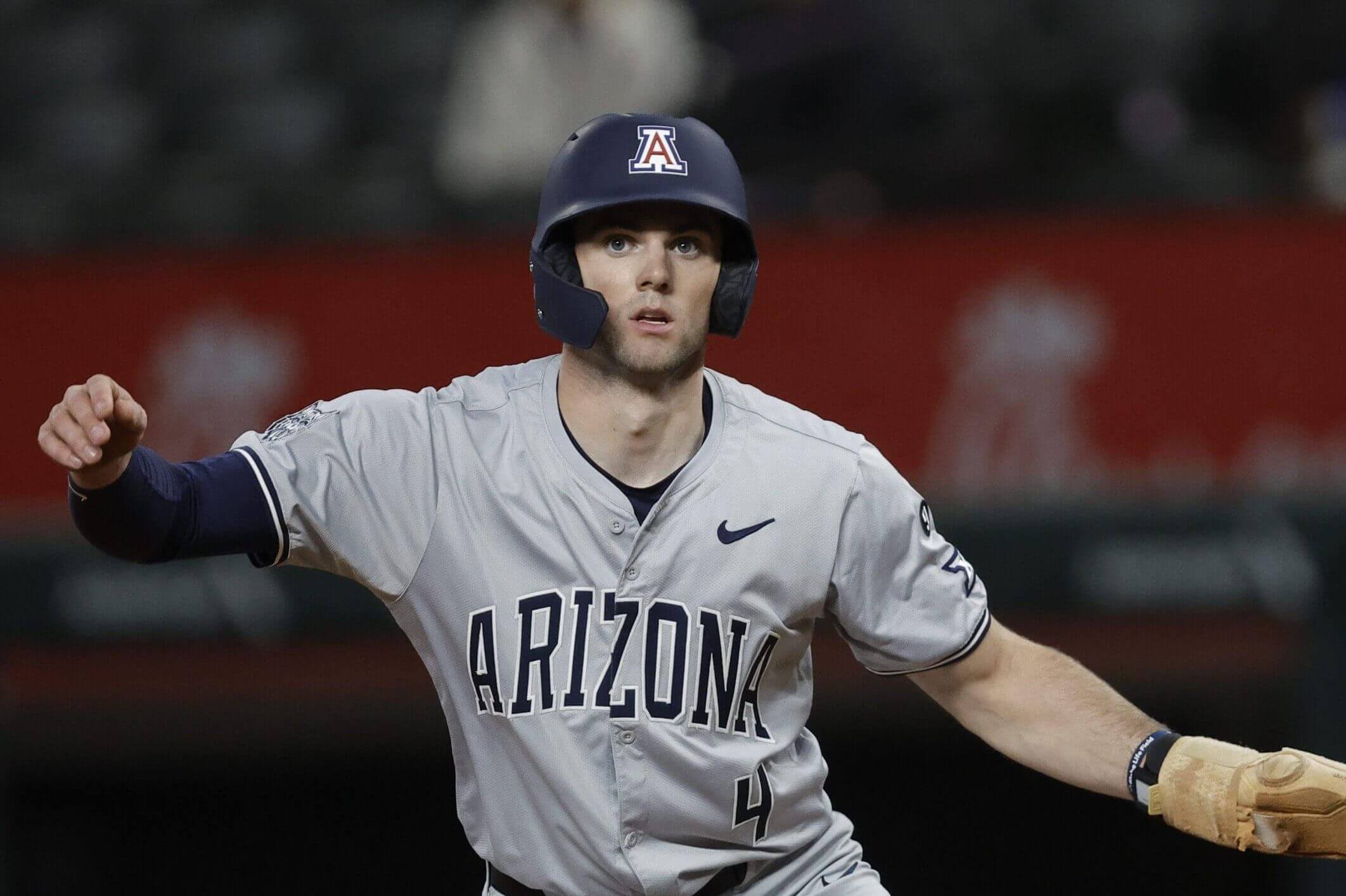
Summerhill is on the shelf at the moment after hurting his hand in a game on March 23, but he was hitting .409/.500/.656 with a surprising six triples in 23 games. He rarely swings and misses, with a whiff rate of 13 percent on all pitches before the injury, and just 10 percent on pitches in the zone or one ball outside of it. It’s an all-fields approach that doesn’t produce a ton of balls in the seats despite excellent hard-hit rates, although I’m sure some team will try to get him to pull the ball in the air more often. If you think he can play center, he might be a top-five talent in the class on paper.
Position Player
4-Year College
OF
Scouting Report
Bats: R, Throws: R
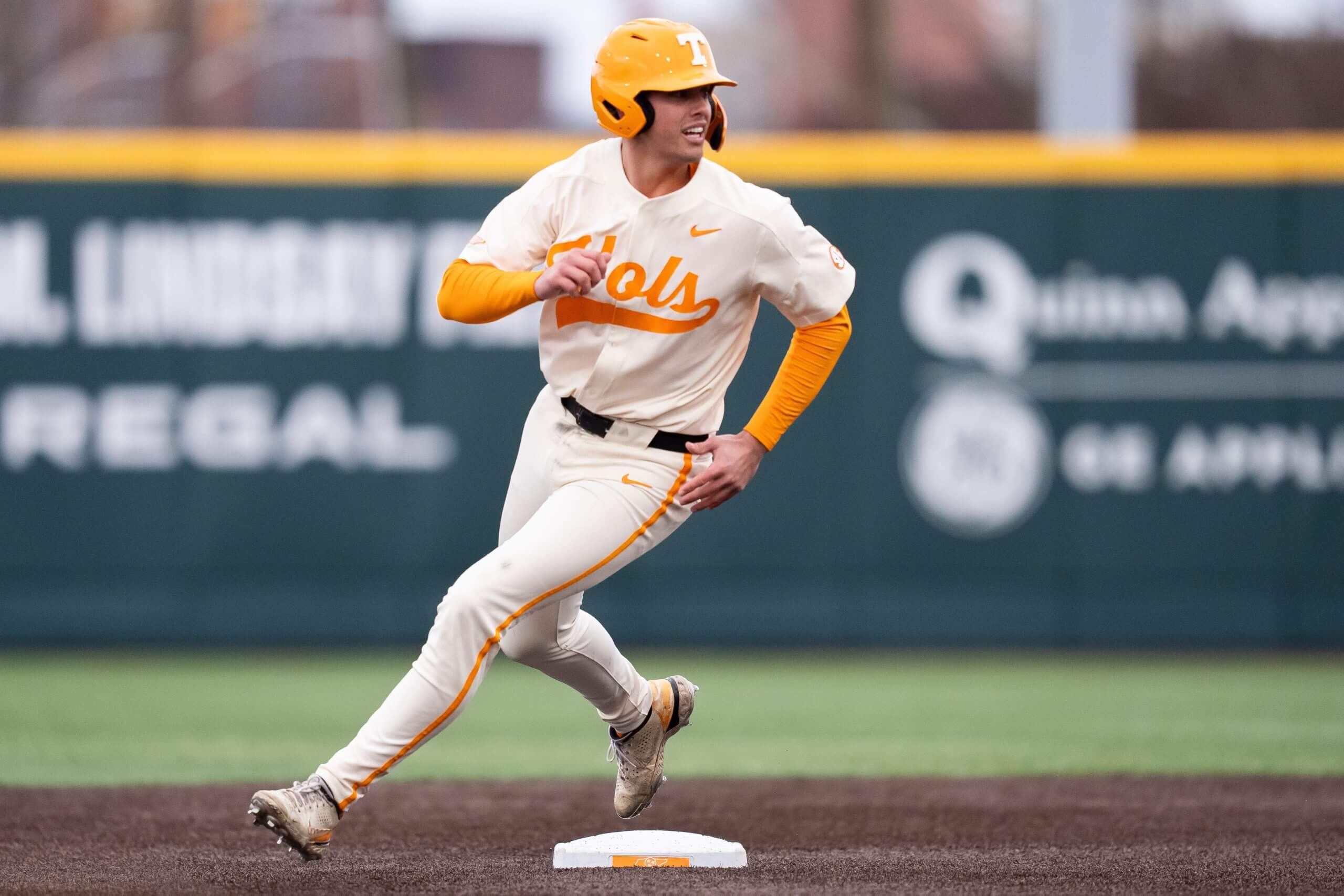
Curley has an excellent feel to hit with a simple swing that gets the ball in the air. He rarely chases pitches out of the zone (11 percent this year on pitches beyond the “shadow”, down from 14 percent last year) and makes enough contact in the zone to project him to an average or better hit tool at his peak. He’s not a shortstop and probably has his best shot to stay on the dirt at third base.
Position Player
4-Year College
SS
3B
Scouting Report
Bats: R, Throws: R
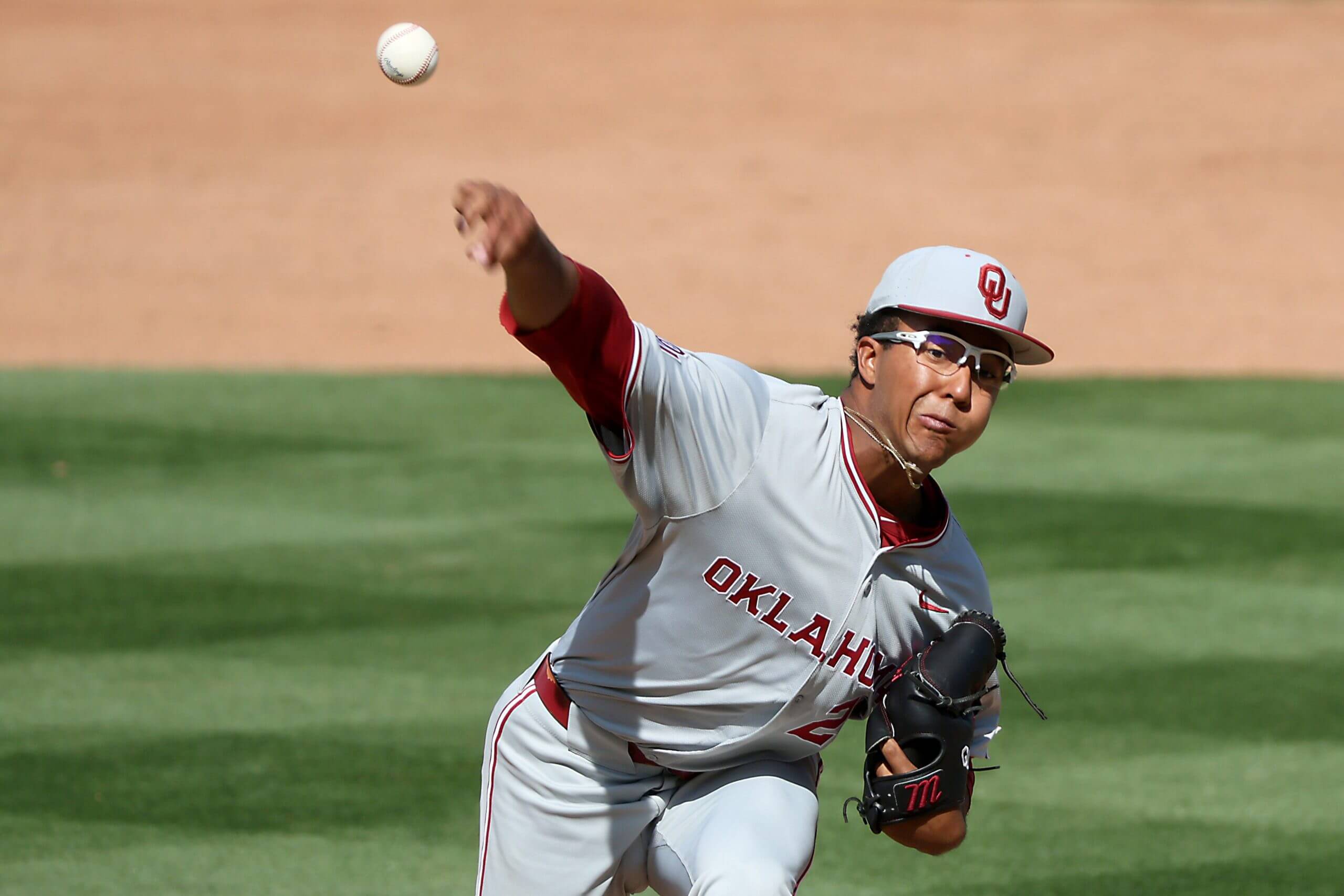
Witherspoon works 95-97 with five pitches, led by a slider and cutter that could be above-average or better offerings if he could get them down in the zone more consistently. He’s very athletic and moves well on the mound, to the point that it’s surprising that his command isn’t better already, but also offering the potential to get to above-average command and plus control by the time he sees the big leagues. He’s a little further behind the typical college starter developmentally, while offering more upside than the majority of the class because of his arm strength and athleticism.
Scouting Report
Bats: R, Throws: R
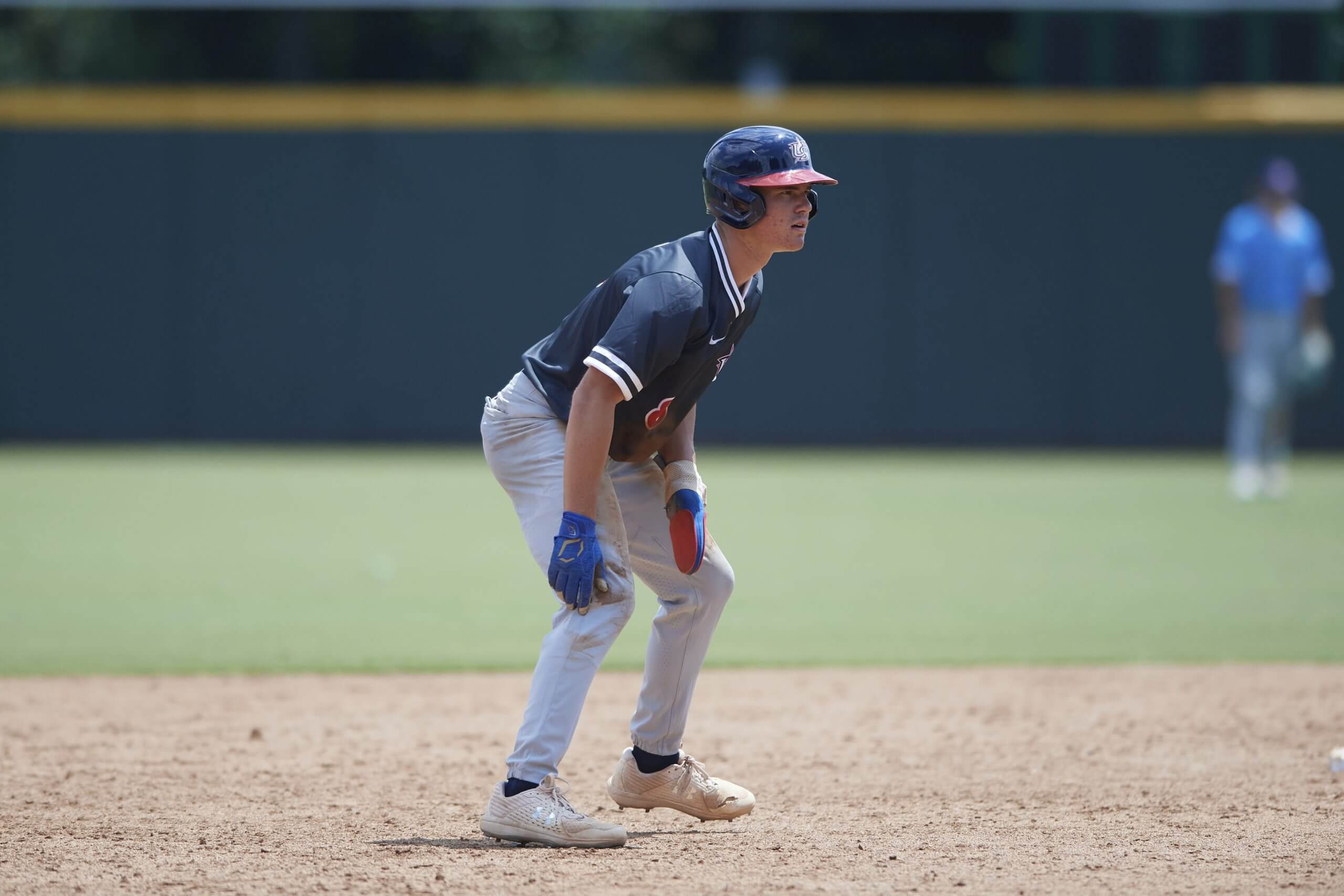
Fien was the best hitter on the showcase circuit last summer and fall by a wide margin, hitting it often and hitting it hard, but causing a lot of skepticism about his defense at short beyond a 70 arm. This spring, he’s played better defense, but he’s struggled far more than expected at the plate. Is it draft-itis, and an opportunity for someone later in the first round? It’s hard to believe he’s faring worse against his regular high school competition than he did facing better arms last summer, but that’s how he’s been over the past few weeks, not just in results but in his approach.
Position Player
High School
SS
3B
Scouting Report
Bats: L, Throws: R
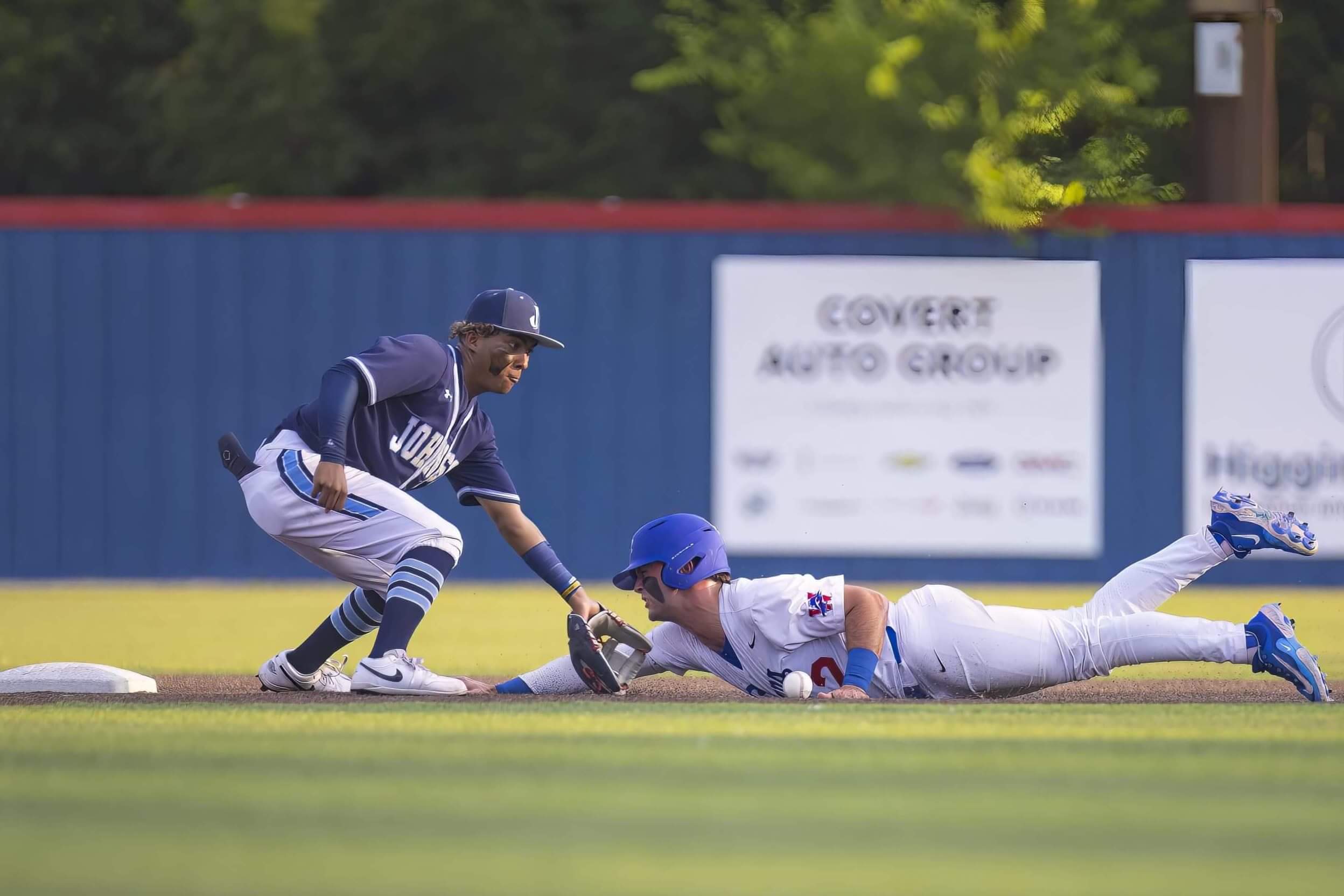
Cunningham’s small but strong, maybe 5-foot-8 with a strong lower half, although the body offers no projection and he’ll have to work to maintain it going forward. He has very quick hands at the plate and rarely swings and misses, with a swing that uses the whole field but isn’t going to lead to much power. He’s a shortstop for now with an above-average to plus arm and good hands, and he has a chance to stick there if he doesn’t get any bigger.
Position Player
High School
SS
Scouting Report
Bats: L, Throws: L
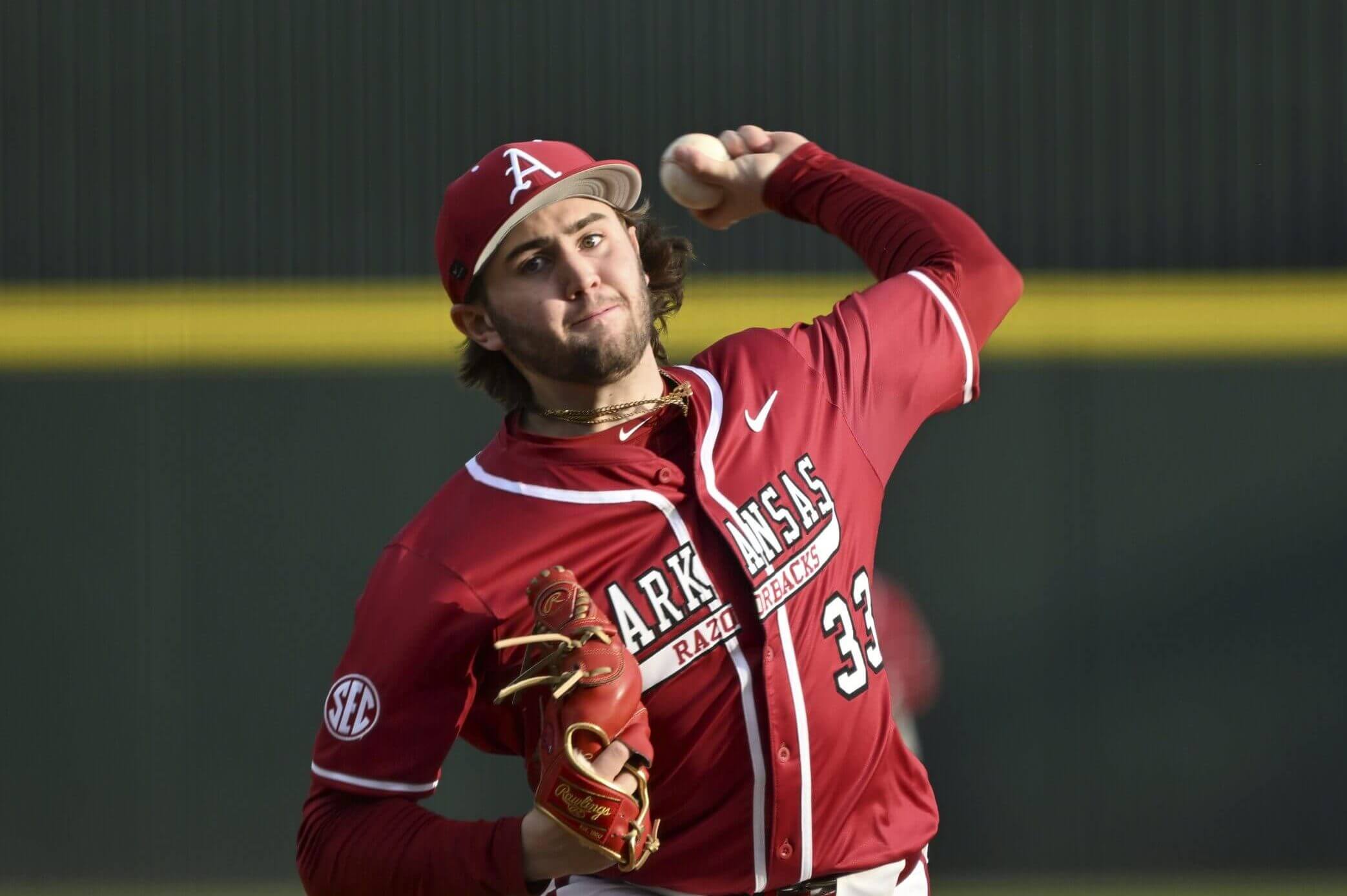
Root throws five pitches for strikes and the worst one might be his fastball, which doesn’t miss many bats, with a whiff rate of just 9 percent — so he doesn’t throw it very much, only about a third of the time, keeping hitters off-balance by changing speeds and locations, throwing any pitch in any count. The very low whiff rate on the fastball will scare off some teams, but his changeup is plus, he can really spin the ball, and his feel to pitch is some of the best in the draft.
Scouting Report
Bats: R, Throws: R
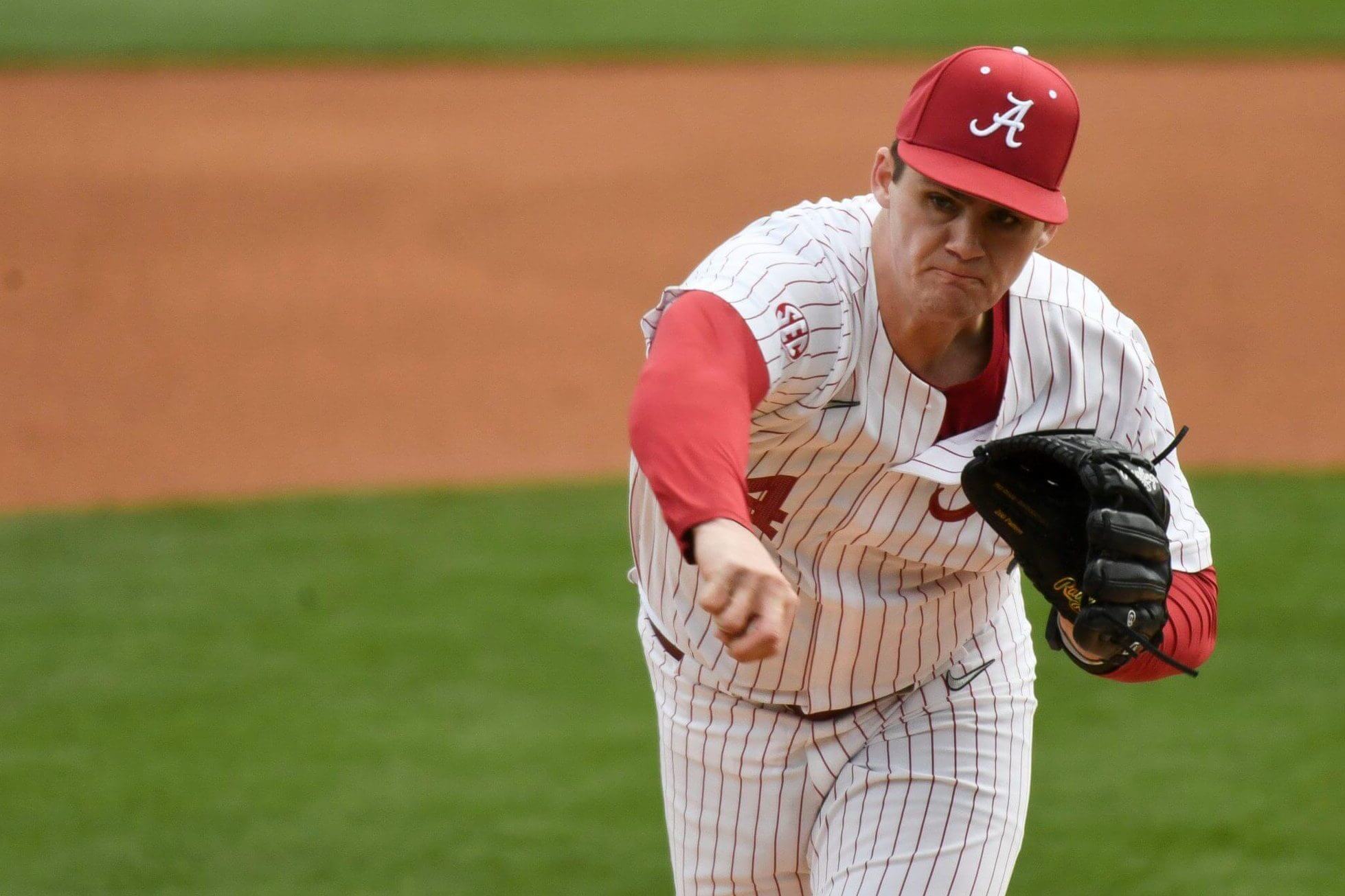
Quick returned this year from Tommy John surgery, just shy of one year after he underwent the operation, and has been up to 99 mph, sitting 95-97, with a plus changeup and a huge-breaking slider. The Tide have used him carefully, with no outings over five innings going into last weekend and a single-game high of 86 pitches. He walked a man per inning as a freshman, working entirely in relief, so his walk rate of 11.8 percent this year before his last start is actually quite good for a guy just 14 months off Tommy John.
Scouting Report
Bats: R, Throws: R
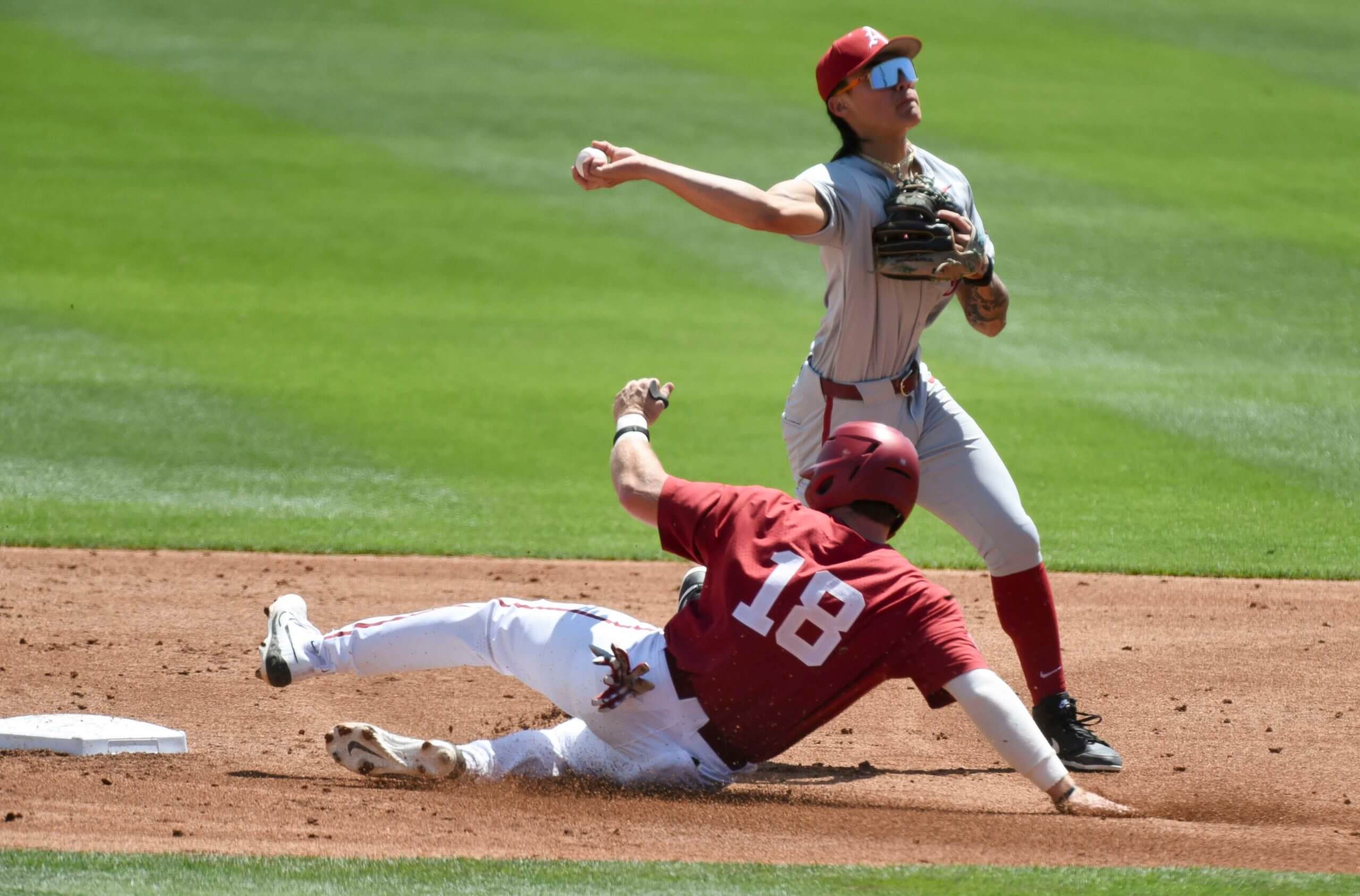
Aloy is very strong, with high exit velocities that point to future plus power (if not present plus), and he looks like he’ll be an above-average shortstop down the line, with the quick reactions and athleticism to stay at the position. His swing is great for hitting for power, but he has a hard time with fastballs up in the zone, and he’s struggled generally against pitchers with better stuff in the SEC so far this spring.
Position Player
4-Year College
SS
Scouting Report
Bats: L, Throws: R
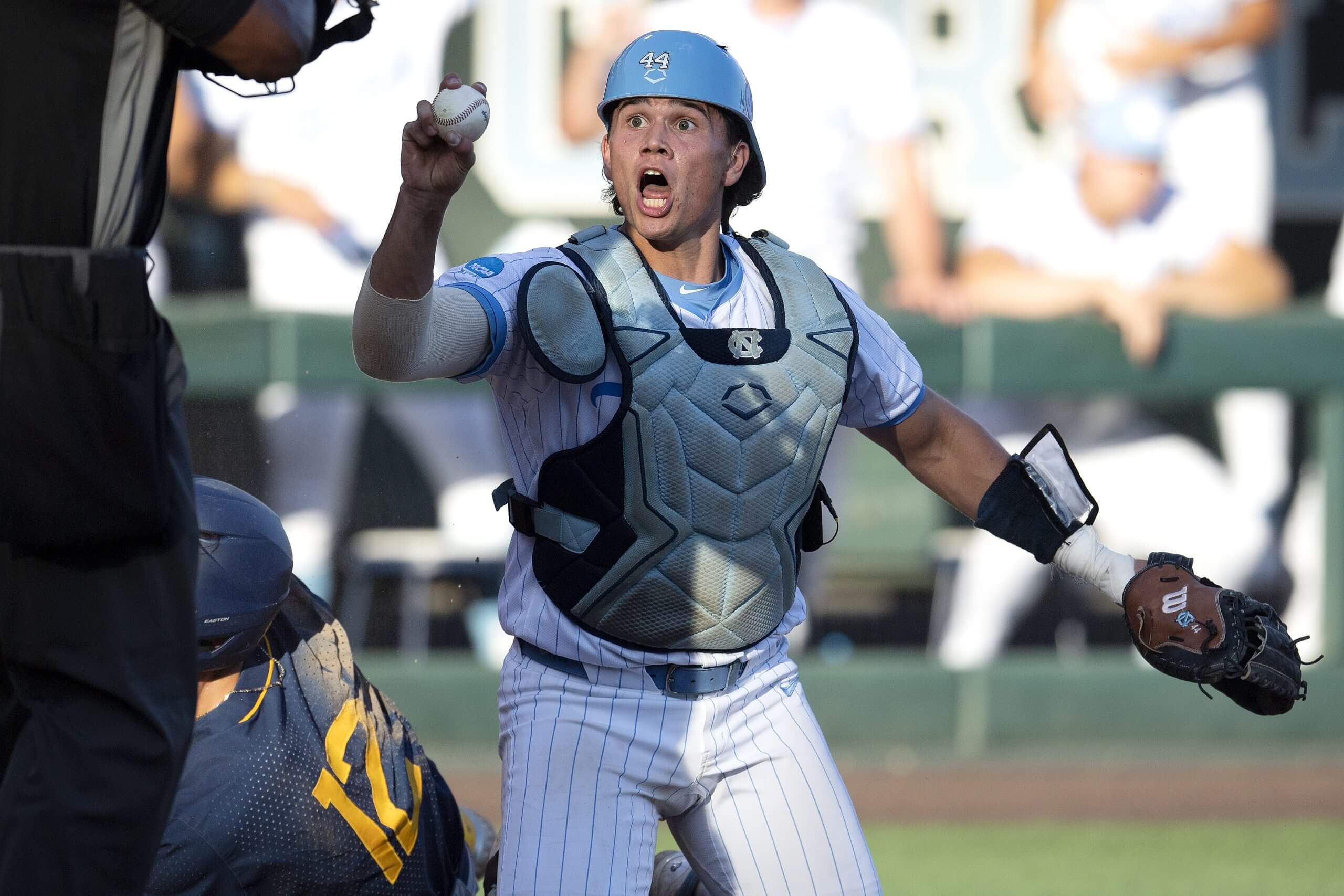
Stevenson is a catcher with big power, hitting 10 homers in 34 games to start this year after hitting 14 during his first year with the Heels. He hasn’t hit for average at all, however, with a .258/.440/.550 line this year and a 20.7 percent strikeout rate — in part because he lofts the ball so much, he doesn’t hit many line drives. Some early questions about his catching have gone away as the season has progressed — he’s good enough to stick there and has a plus arm — with enough power to be a good regular if he can convert the hard contact into more hits.
Position Player
4-Year College
C
Scouting Report
Bats: R, Throws: R
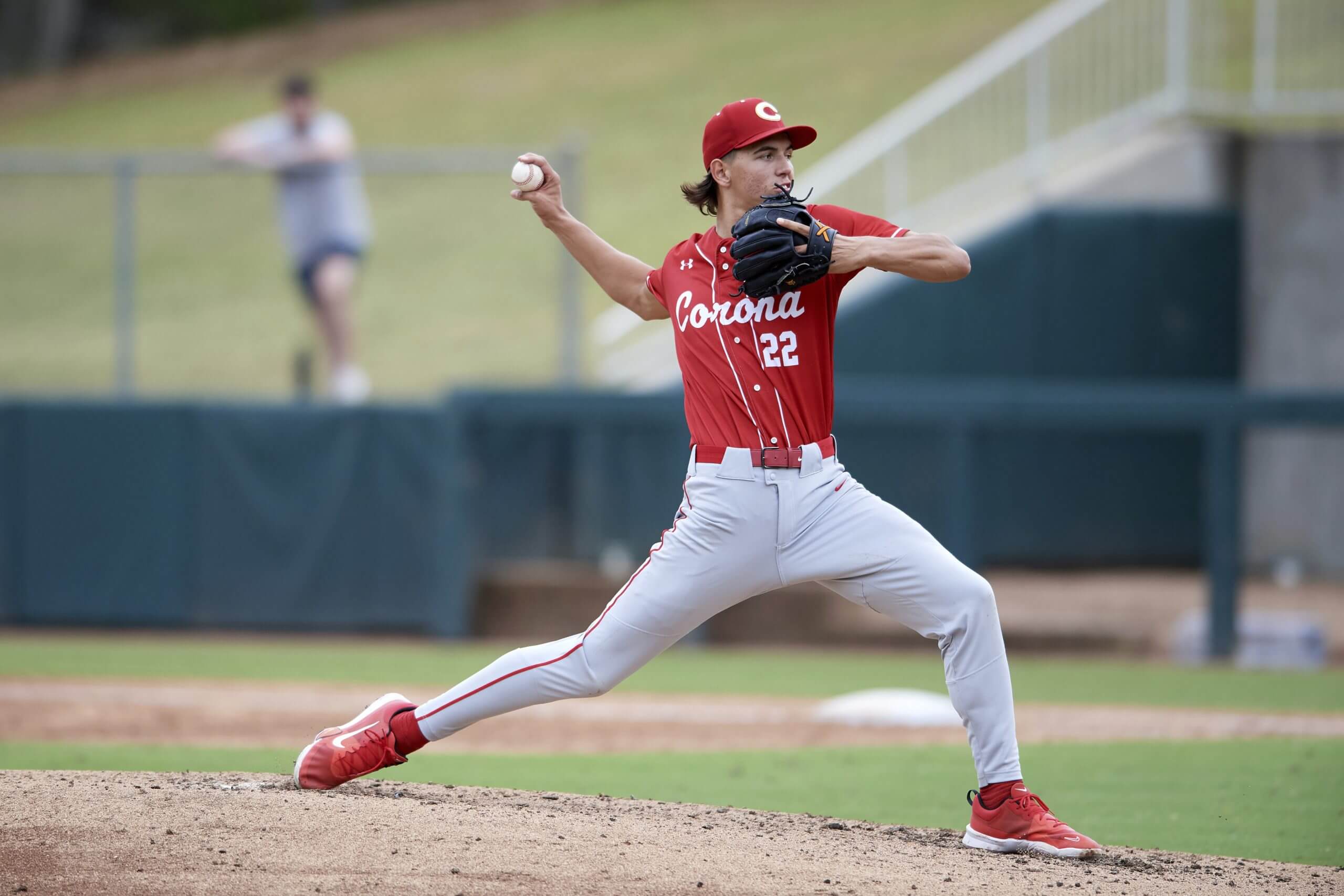
Hernandez has been up to 100 mph, sitting 94-97 at his outing at NHSI this year, with a plus changeup and a high-spin, old-school two-planer curveball, and a pretty good slider too. He comes flying off the rubber, taking a huge stride to the plate, with some head-whack at release, and his arm doesn’t always catch up even with the great arm speed he generates. It’s the best arsenal of any high schooler in the class, a complete mix that would be the envy of a typical college starter prospect, with all of the standard risk of a high school arm, and maybe a little more because of the effort in the delivery.
Scouting Report
Bats: L, Throws: R
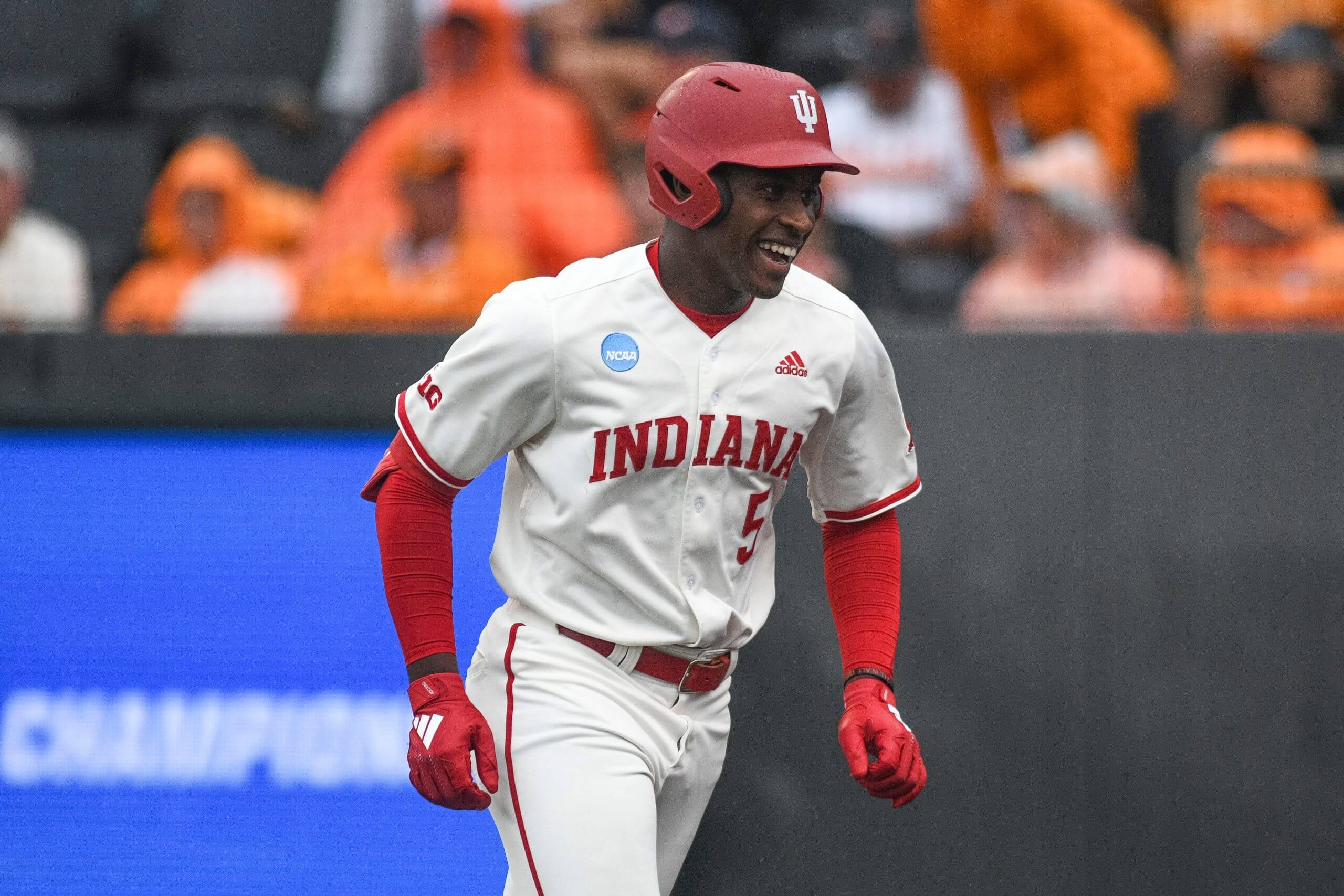
Taylor’s an all-around hitter, with power and patience, hitting 20 homers last year for the Hoosiers and 10 already this year, with his line .382/.503/.687 going into this past weekend and far more walks than strikeouts. It’s left field only, though, and he’s not much of a fielder anyway, so this all rests on the bat — and he isn’t going to face any good pitching in the Big Ten this year.
Position Player
4-Year College
OF
Scouting Report
Bats: L, Throws: R
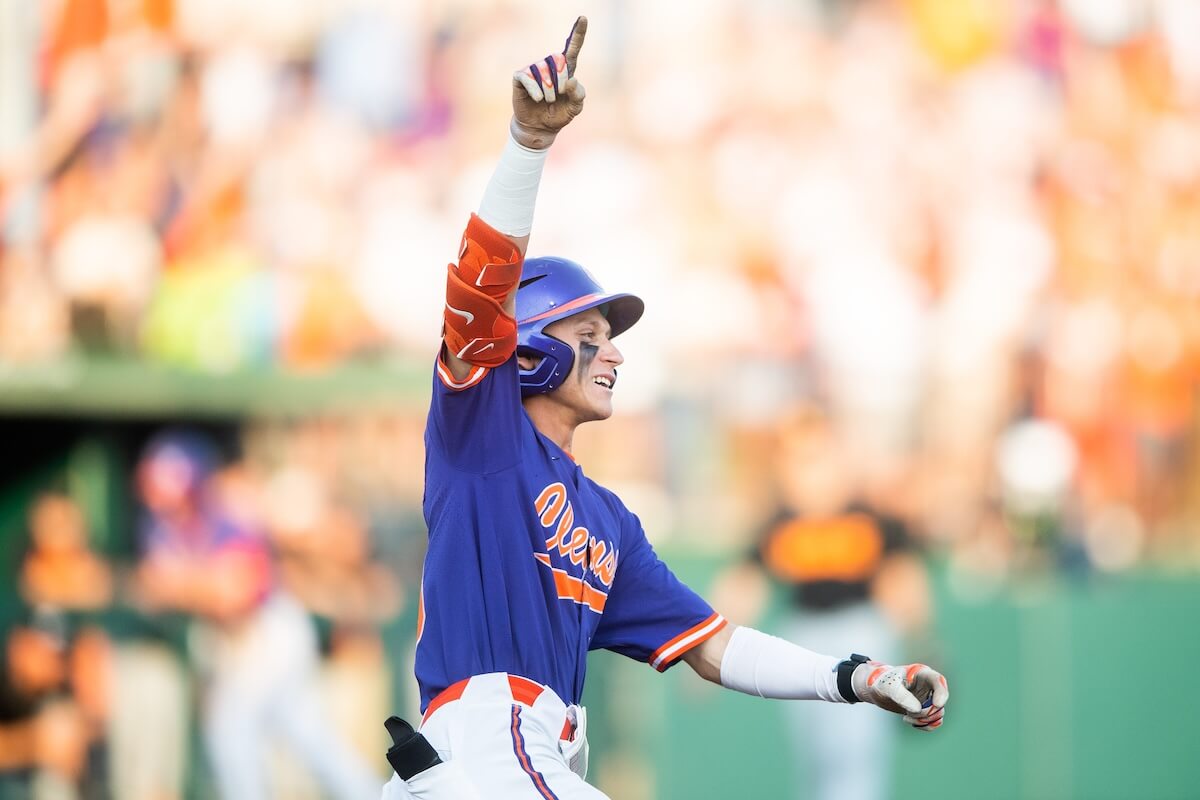
Cannarella had shoulder surgery after last season and was supposed to be at 100 percent this year, but that’s clearly not the case — either he’s still recovering or there’s a new issue, as he can’t throw and he’s not swinging the bat as well as he did last year. He’s a plus defender in center and used to have enough arm for the position. He hit 11 homers in 58 games as a sophomore, but through 35 games this year he had just one, making up for it a little bit with a 22 percent walk rate. Some team might get a bargain here if he ends up sliding to the late first or comp rounds because everything — results, batted-ball data, scouting looks — has been so down this year.
Position Player
4-Year College
OF
Scouting Report
Bats: L, Throws: R
Mitchell doesn’t chase … and doesn’t swing, at least not very often; at measured events in 2024, he swung just 31 percent of the time, and chased pitches out of the zone (beyond the shadow) just 7 percent of the time. Plate discipline and pitch recognition can be illusory at the high school level because it’s also a function of the quality of competition, but if I were betting on one prep player in this draft to show plus plate discipline in pro ball, it’d be him. It’s a slashy swing that doesn’t produce much power, and he’s a 55 runner who should stick at shortstop.

Position Player
High School
SS
Scouting Report
Bats: L, Throws: L
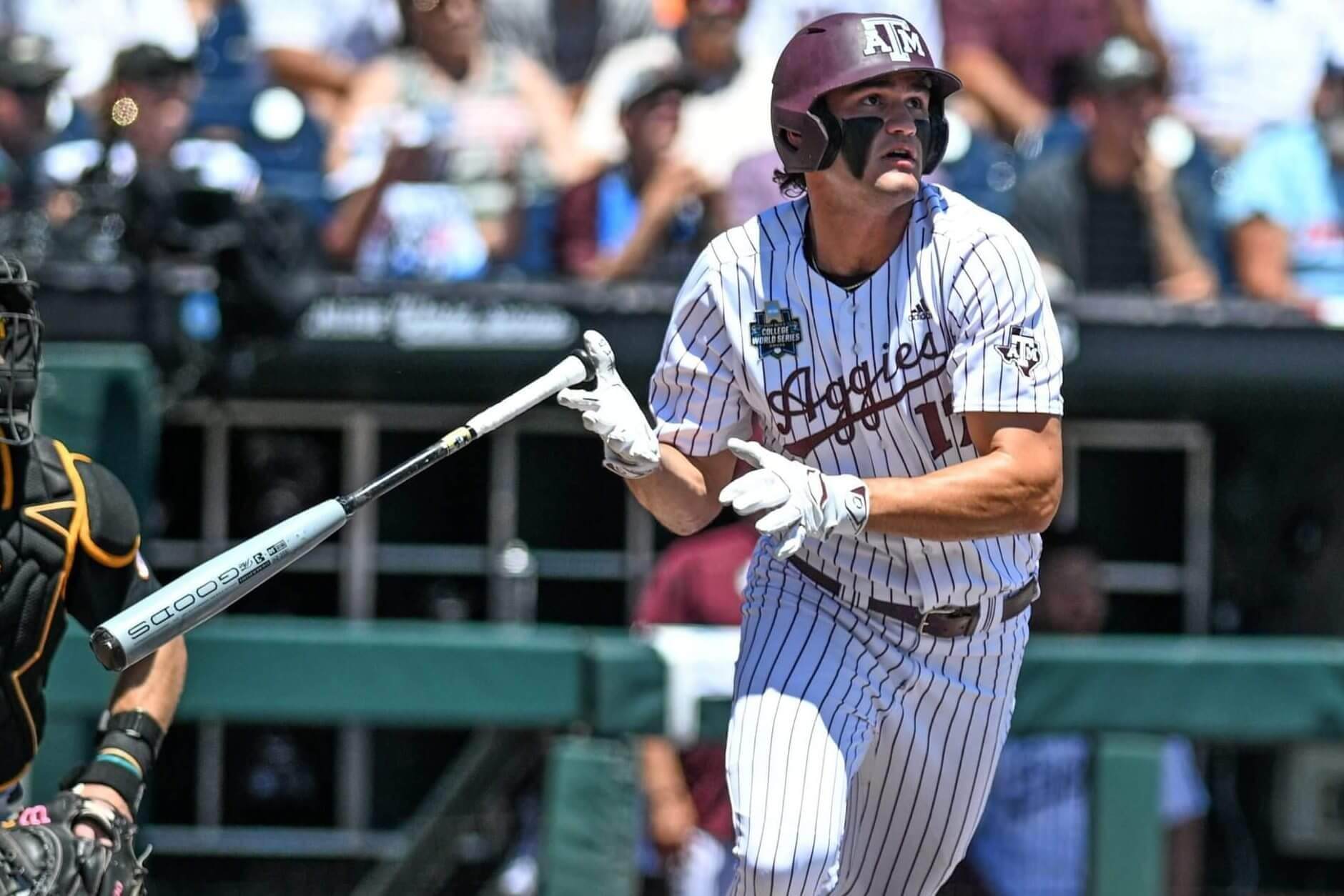
LaViolette is very strong with easy plus power, but he has serious contact issues, striking out 81 times last year (24 percent) as a sophomore, and still striking out 24 percent of the time in conference play so far this year. It’s a no-load approach, making the power even more impressive, but it seems to be hurting his ability to adjust to different pitch types. He’s in center field now but may end up in a corner.
Position Player
4-Year College
OF
Scouting Report
Bats: L, Throws: L
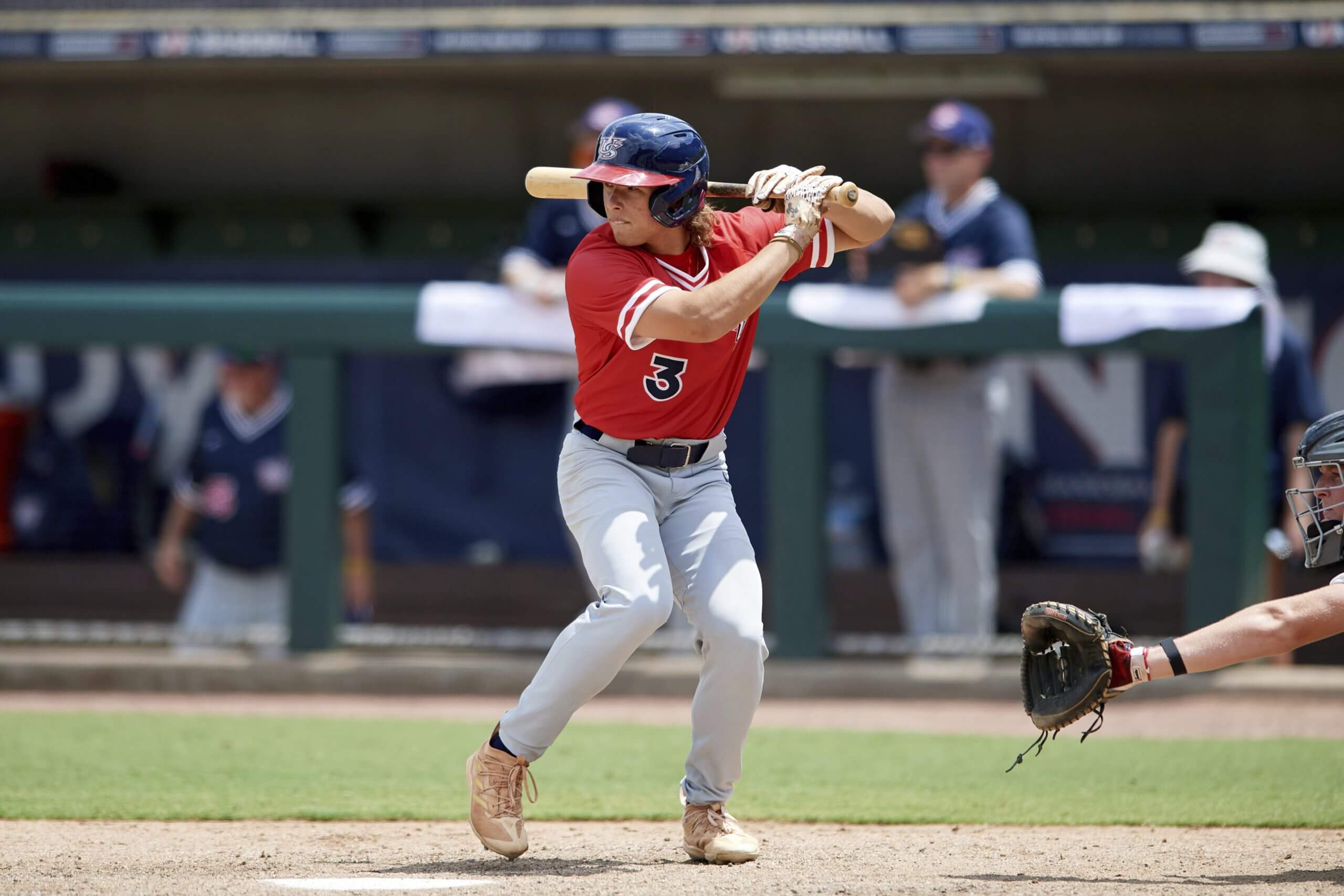
De Brun is small but fairly strong for his size and shows excellent feel to hit, so of course everyone assumes the Diamondbacks are taking him. As you’d hope for someone his size (listed at 5-foot-10, which, well, I need that measuring tape for my own house), he doesn’t chase and he doesn’t miss, going to a super-wide stance with no stride when he gets to two strikes. It’s fringy power that will probably never get to average, while he’s a plus runner who should be a plus defender in center field. Fun-sized hitters like him aren’t for everyone; he does do all of the things you’d expect a top position-player prospect his size to do.
Position Player
High School
OF
Scouting Report
Bats: B, Throws: R
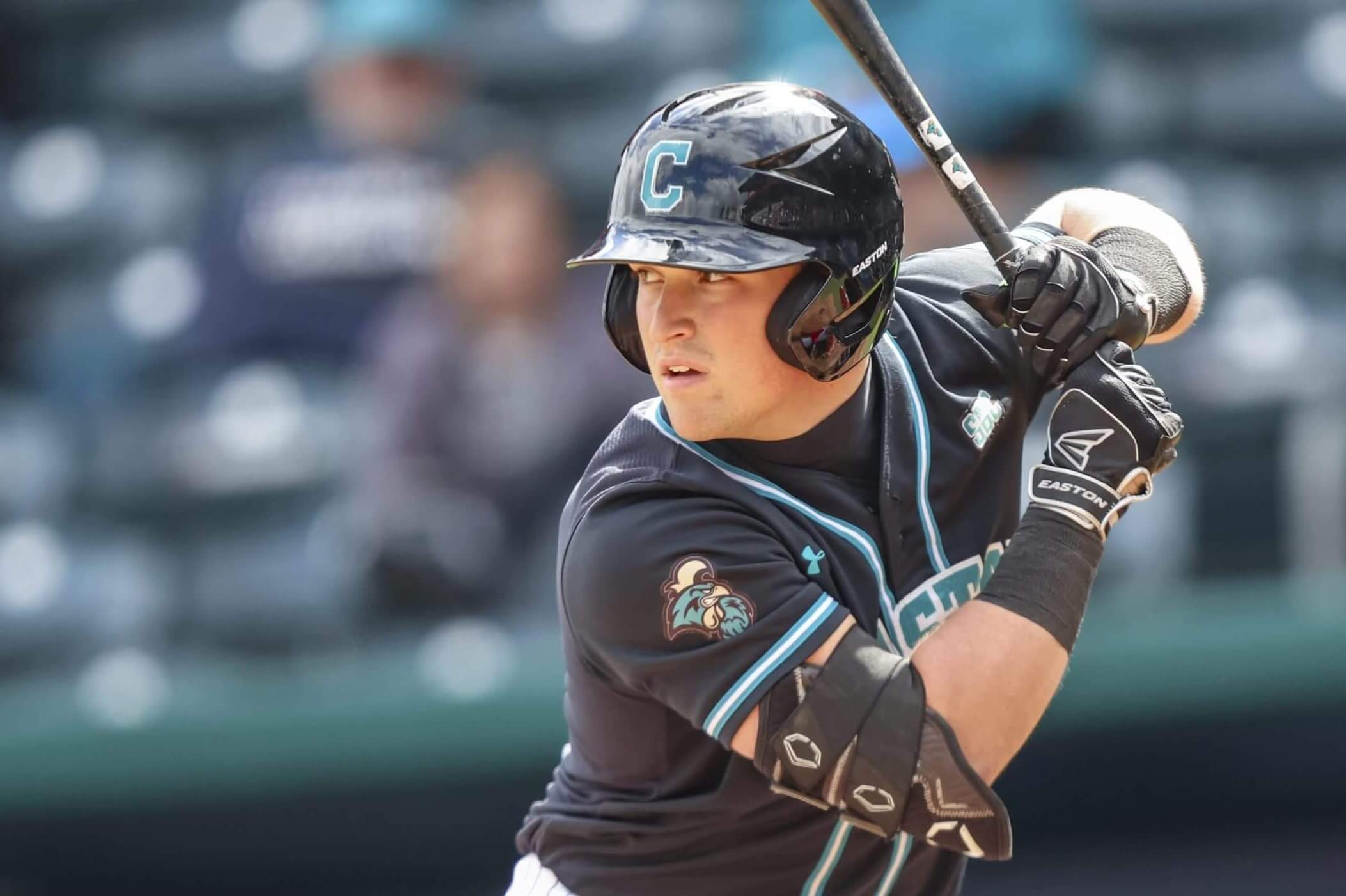
Bodine can catch and he doesn’t strike out — he punched out 8.1 percent of the time last year, and so far in 2025 that’s down to 6.9 percent. It’s less a matter of plate discipline than one of not swinging; he swings less than 40 percent of the time, although when he does swing, he rarely whiffs, especially on fastballs. He’s hit lefties well this year, reducing some questions of whether he’d be a platoon bat. He receives well and has a plus arm, throwing out just over a third of opposing runners this year, although he could use some help to get a more consistent release. He’s the third-best catcher in the class, and that’s usually a top-30 or top-40 pick in any draft.
Position Player
4-Year College
C
Scouting Report
Bats: L, Throws: R
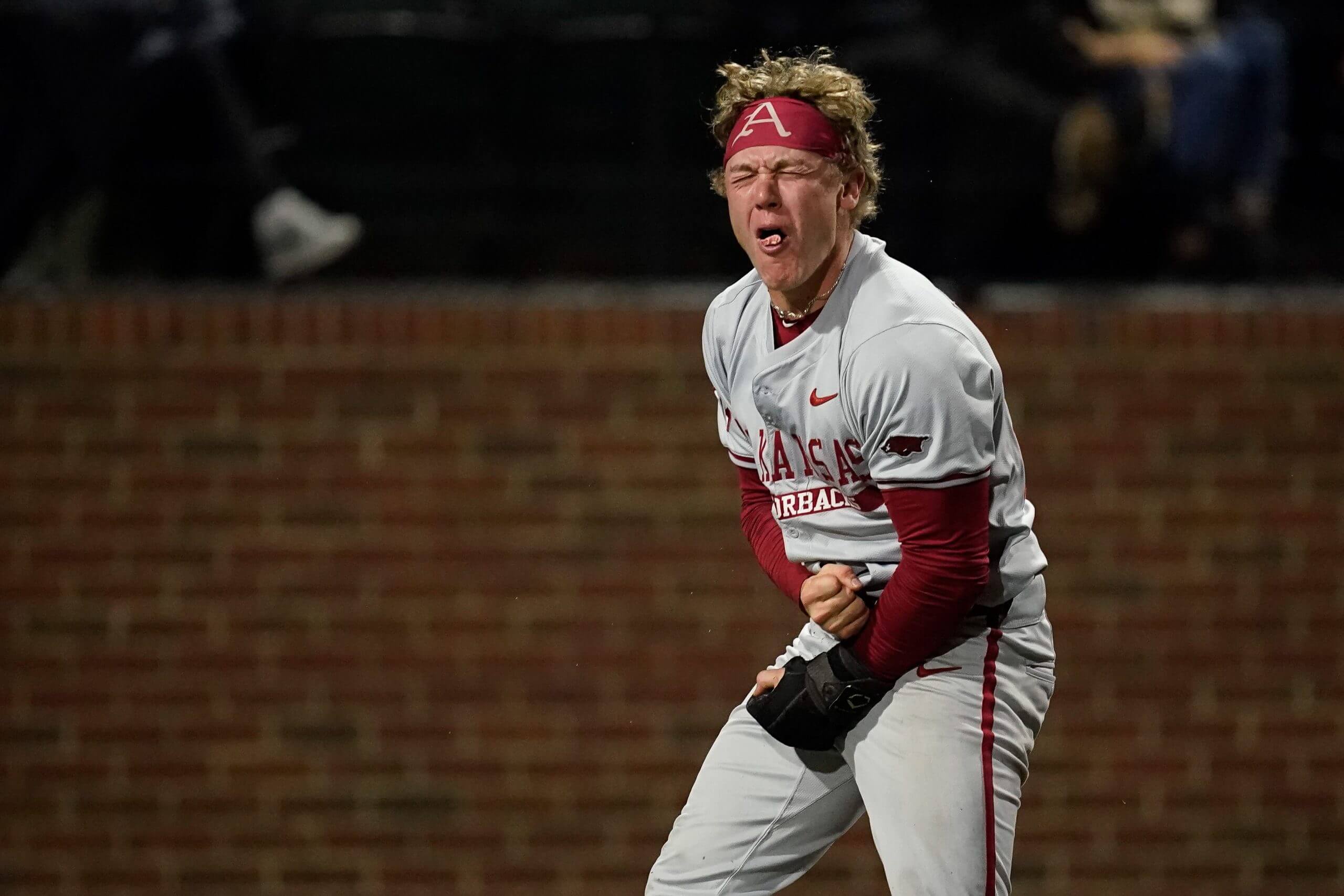
Davalan is an age-eligible sophomore who transferred to Arkansas from Florida Gulf Coast this year, and has shown an elite approach while hitting atop the Hogs’ lineup, with 11 strikeouts in his first 170 PA (6.5 percent) and an overall whiff rate of just 9 percent. He’s also got some sock, with 12 homers already and a .396/.485/.688 line, although I’d expect him to be more of a doubles-power guy with a wood bat and maybe hit 10-12 homers a year. He’s played more left than center, and scouts are mixed on the latter; if he could play center he’d be a top-10 pick, and as is he’s probably a first-rounder.
Position Player
4-Year College
OF
Scouting Report
Bats: L, Throws: R
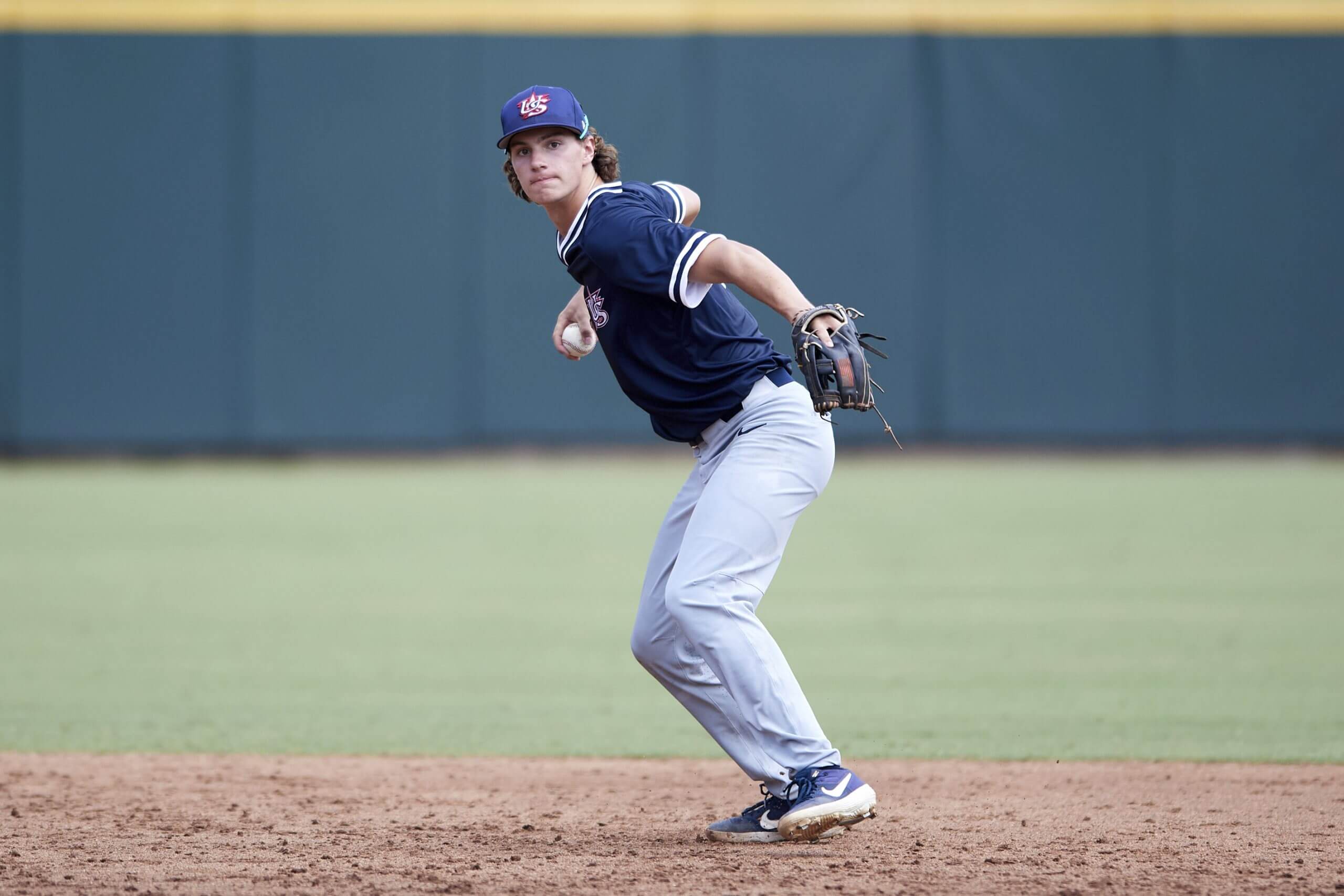
Neyens has plus power and a lot of swing-and-miss, with a whiff rate of 27 percent at measured events last summer and fall, even whiffing on stuff in the zone. He loads his hands high and deep, giving him a lot of leverage for power but of course creating about as long a path to the zone as you can have. He’s a third baseman now, with some chance to stick there, while right field is a more likely long-term position, as he’s physically similar to Nolan Jones.
Position Player
High School
3B
Scouting Report
Bats: L, Throws: L
Neville was a prospect out of Basic High School in Las Vegas (which has a top 100 prospect this year in shortstop Tate Southisene), but Neville ended up heading to Arkansas, where he barely left the bench as a freshman. He transferred to Oregon for the 2024 season, hitting for power but not much else as a sophomore, while this year he’s broken out with a .325/.461/.786 line and more walks than strikeouts through this past Saturday’s games. He’s a plus runner who should stick in center field, with a plus arm as well, and plenty of power to end up an above-average regular in center. His swing has improved since high school, with everything more in sync through contact. It’s just a small sample of success; if he’d done this last year as well, he’d probably be getting some top-10 or top-15 attention.

Position Player
4-Year College
OF
Scouting Report
Bats: L, Throws: R
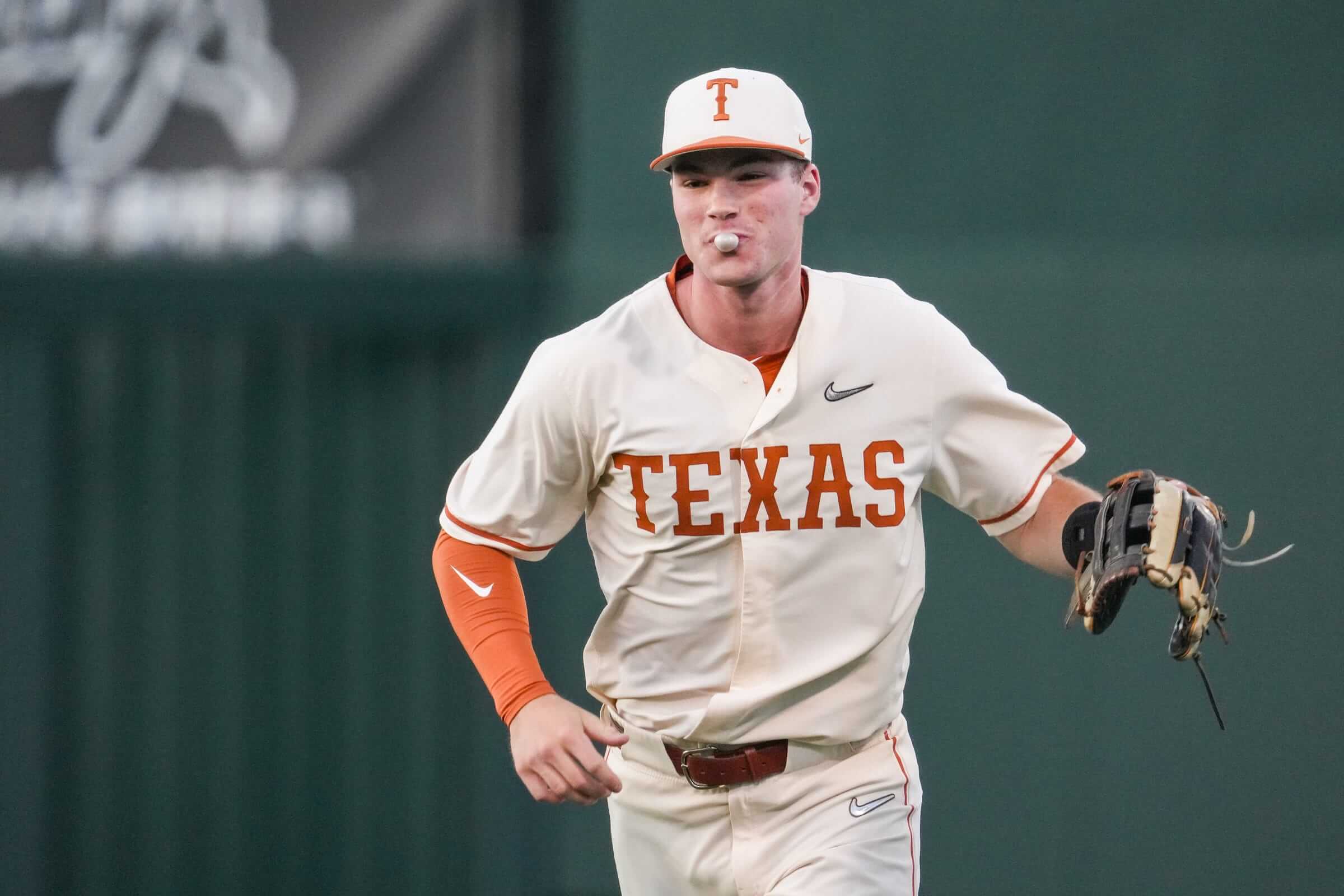
Belyeu was having a solid year that nearly mirrored his sophomore season, with a rough patch against SEC opponents in March, when a thumb injury put him on the shelf at least for the rest of the regular season. It’s more hit than power, without the high walk rates to somewhat make up for the lack of homers (he was at six when the injury happened), and as a corner outfielder he’s going to have to hit for a high average with a lot of doubles unless someone unlocks more power.
Position Player
4-Year College
OF
Scouting Report
Bats: R, Throws: R
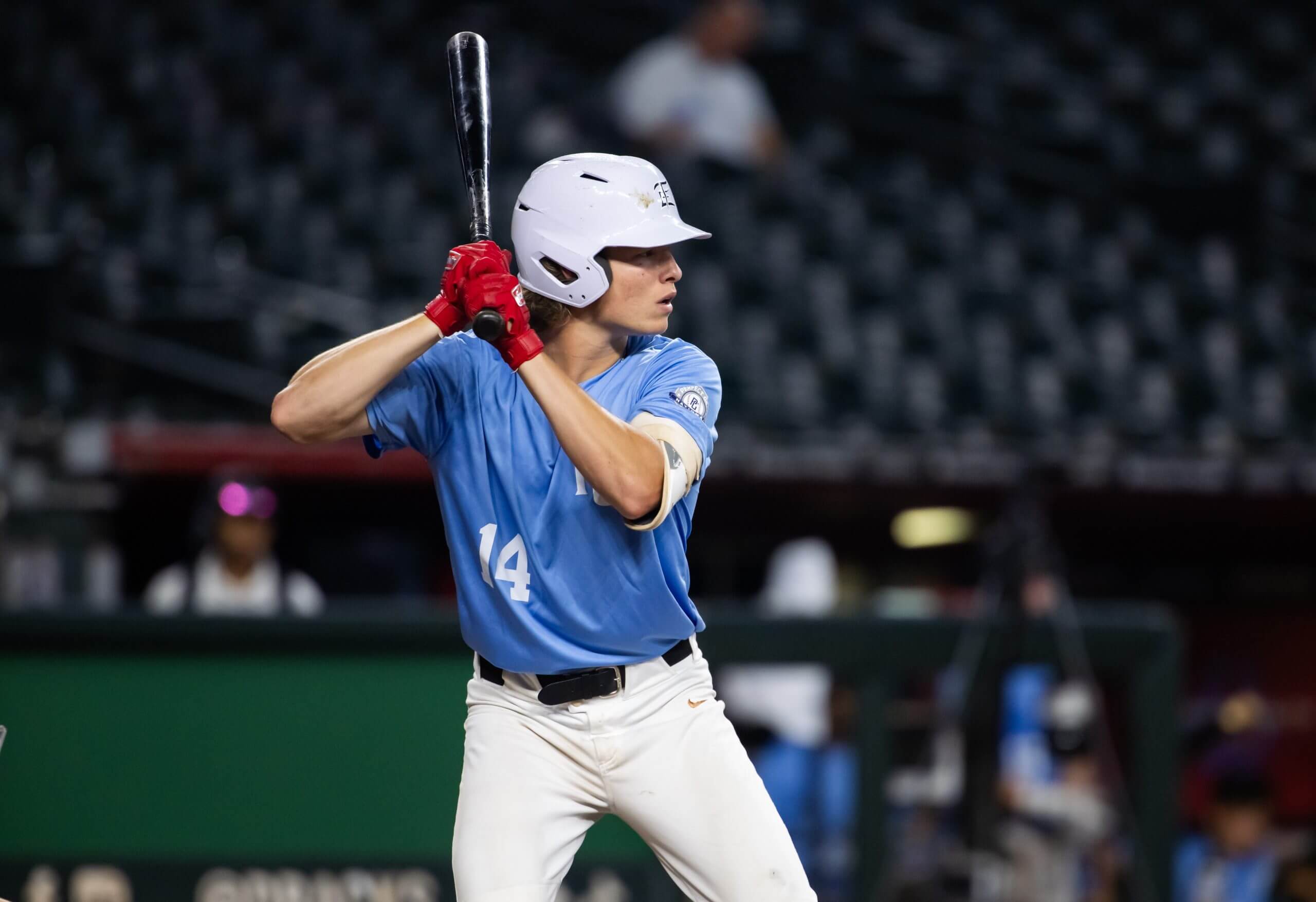
Pierce is a no-doubt shortstop and plus-plus runner whose ultimate role is going to come down to how much he develops with the bat, both in his hit tool and his impact. He’s improved significantly this spring in both departments and has gotten a little more physical, although his likely ceiling is that he hits for average with doubles power rather than becoming a 20-homer guy.
Position Player
High School
SS
Scouting Report
Bats: R, Throws: R
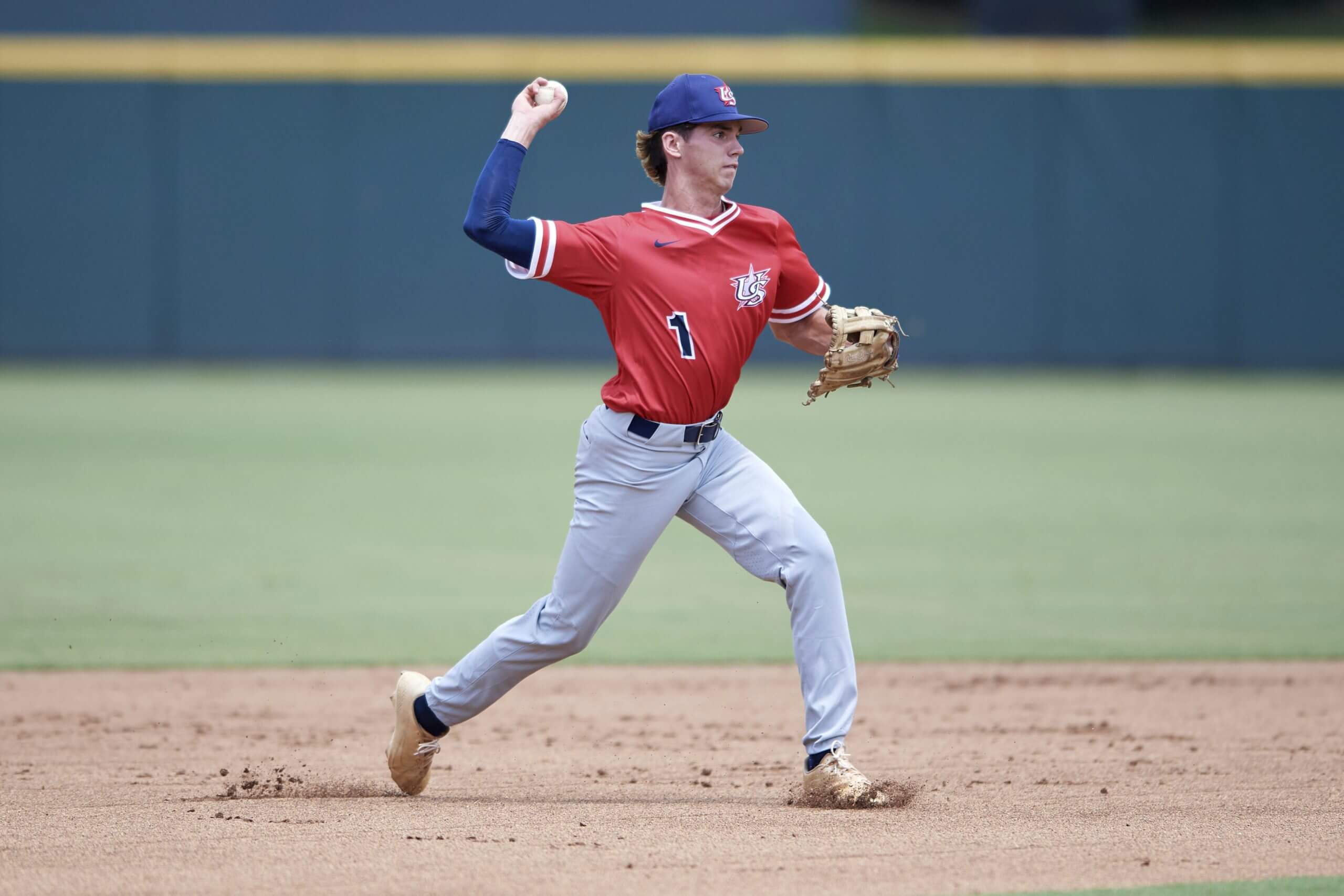
Hall is an 80 runner who can play shortstop, projecting to at least above-average there, and he can hit a fastball, with plus bat speed and a direct path after a slightly deep load. He doesn’t pick up spin well at all, not last summer or fall when he played in showcases nor so far this spring. He reclassified into the 2025 draft this past winter and is one of the youngest players in the class.
Position Player
High School
SS
Scouting Report
Bats: R, Throws: R
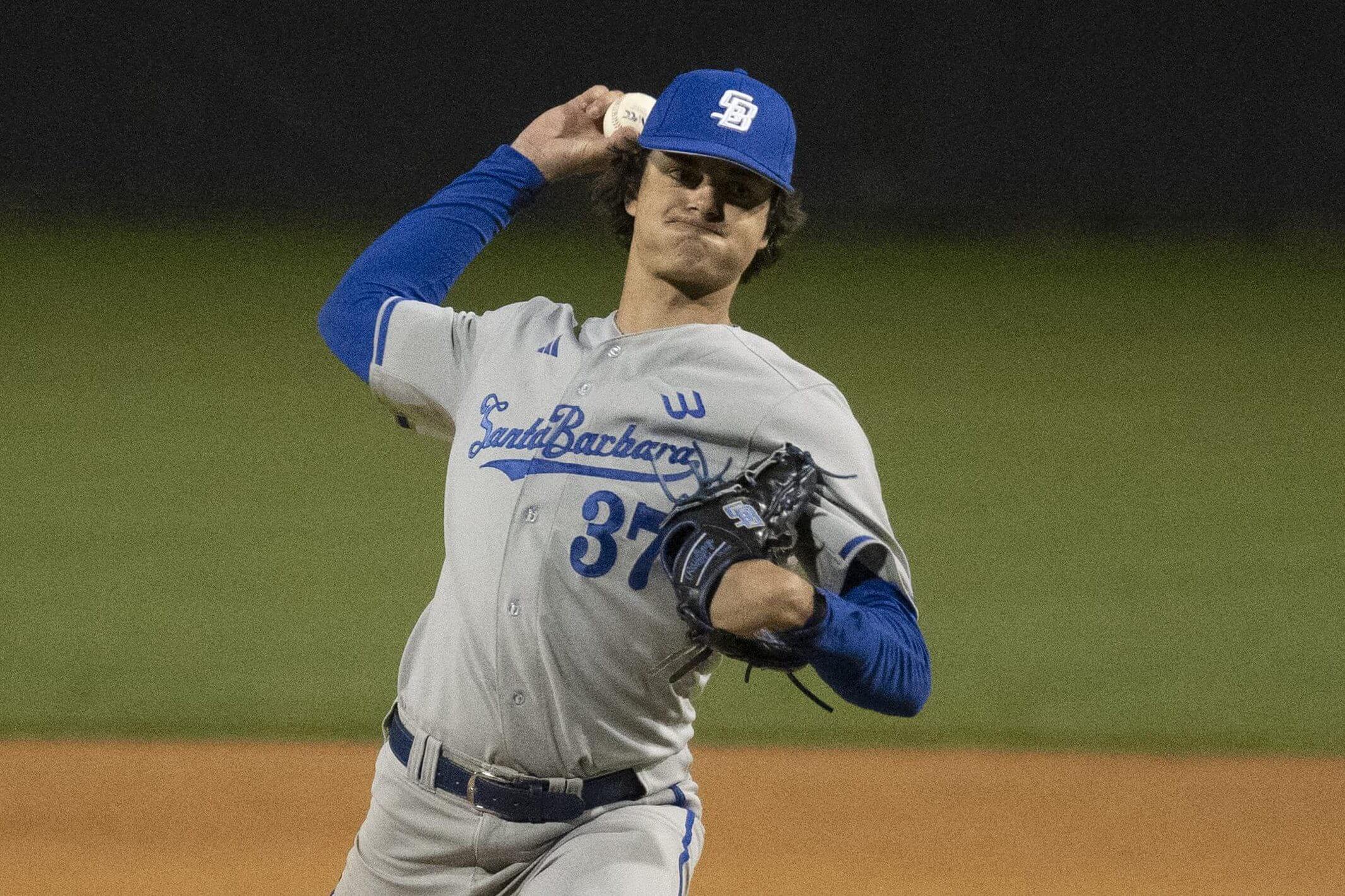
Bremner sits 94-95 with the fastball and has a grade 70 changeup. He throws both pitches for strikes, but he doesn’t have an average breaking ball and he’s given up more hard contact this year than you’d like to see from a potential first-round college starter.
Scouting Report
Bats: L, Throws: L
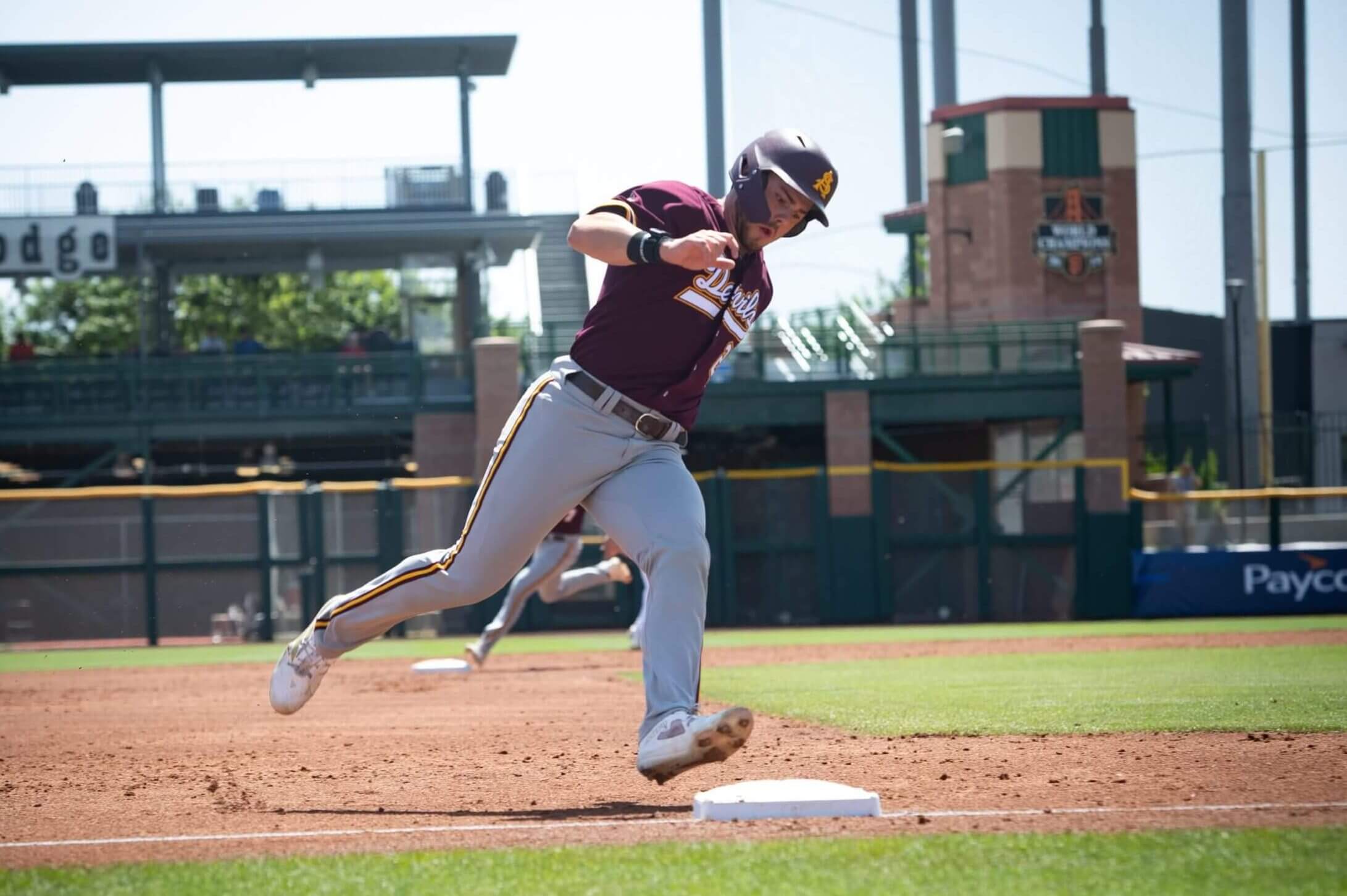
Compton got off to a great start against non-conference opponents but has cooled off against marginally better competition in the Big 12. He’s very strong and has a short, direct swing that comes right at the ball without a ton of loft in his finish. He tries to use the whole field right now, which is a great approach for a younger hitter, and at some point someone is going to try to get him to pull the ball in the air more to turn his strength into more over-the-fence power. He’s limited to an outfield corner, playing left for the Sun Devils.
Position Player
4-Year College
OF
Scouting Report
Bats: R, Throws: R
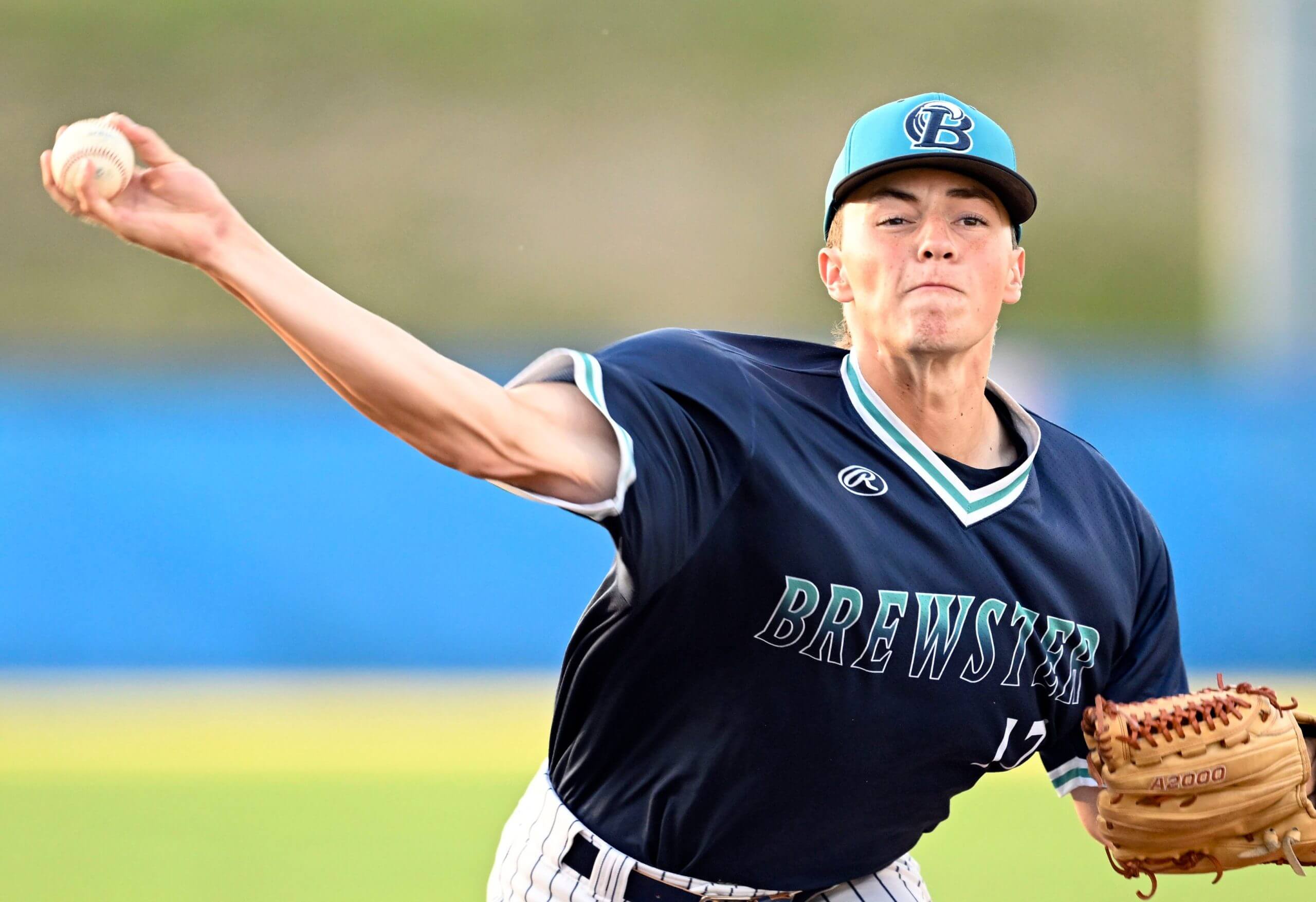
Forbes has been 92-97 with a potentially plus cutter and a slider that’s bigger and slower, along with a below-average changeup, working with below-average command and missing bats with pure stuff. He punched out 13 against Cal a few weeks ago, then walked seven with zero strikeouts at NC State this past weekend, as he didn’t have his breaking stuff working at all. There’s definite reliever risk from the low three-quarters slot and his injury history, while you can dream on him as a starter if he throws more strikes and develops a better pitch for lefties.
Scouting Report
Bats: L, Throws: R
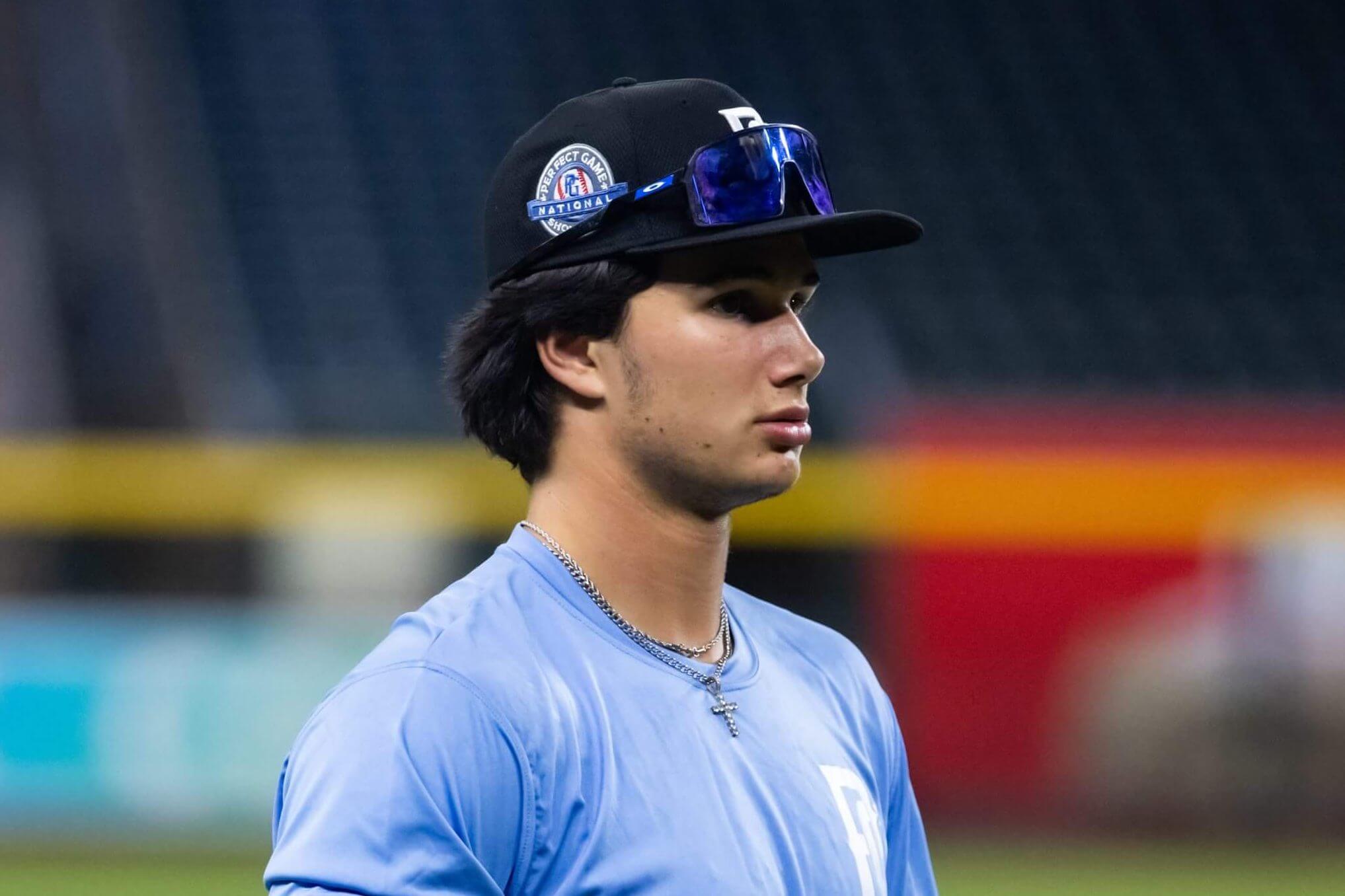
Fauske has played multiple spots this spring, playing center field during the week this spring while catching in doubleheaders on the weekends. A former defensive back whose team won state championships in 2022 and 2023, Fauske rarely swung and missed at showcases last year, with some loop length to the swing that has his bat getting to the zone later and trades off some power for more contact. He has an above-average arm and receives well for someone who hasn’t done it full-time, as he mostly DH’d as a junior; he’s a 55 runner, though, and may be a safer bet to go out as a center fielder instead. He offers wider variance than most of the other elite high school position players in the class because of the different positional possibilities, with contact skills that would make him a regular at either spot.
Position Player
High School
C
OF
Scouting Report
Bats: L, Throws: L
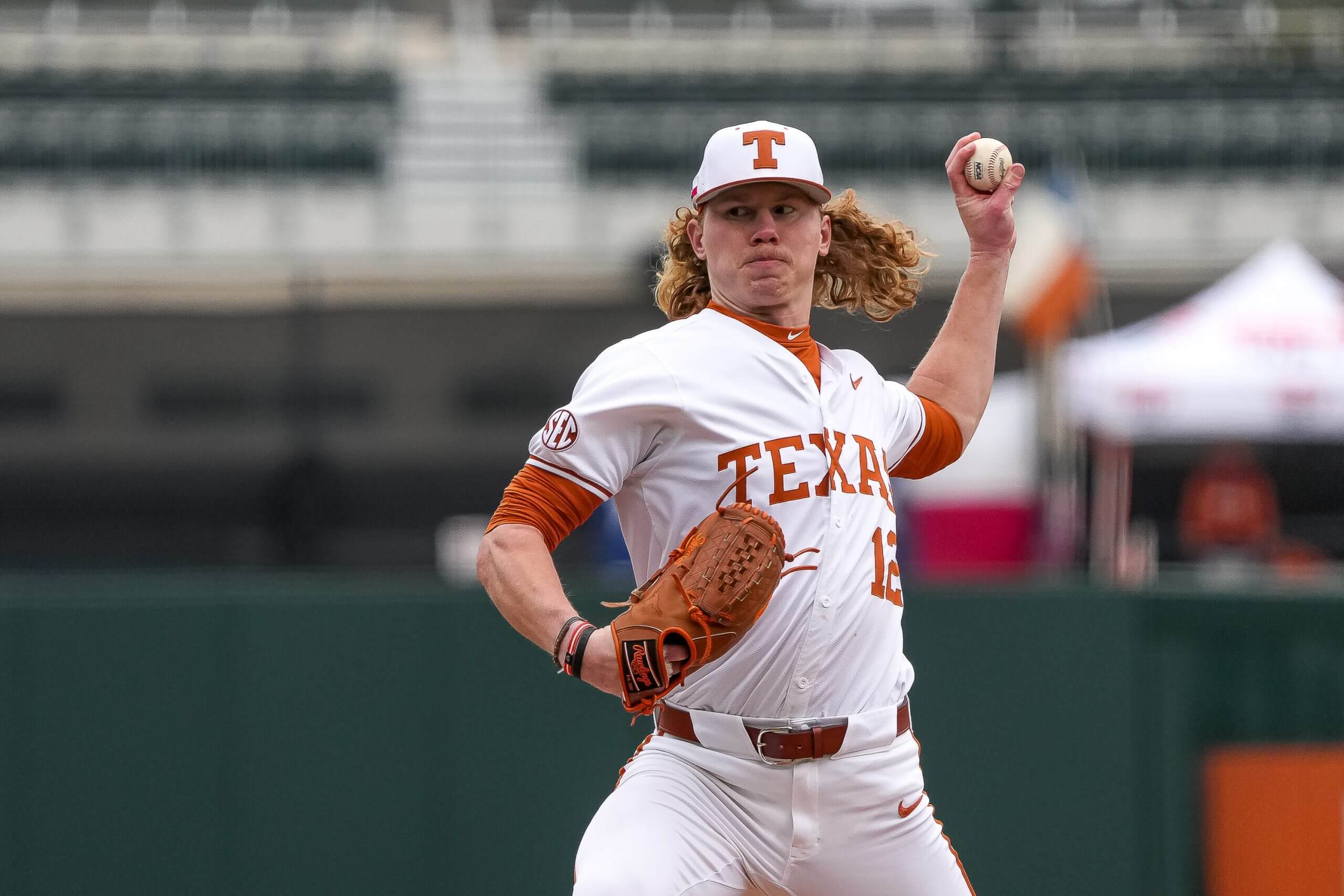
Spencer was draft-eligible last year at Indiana State but didn’t get selected until Round 14 and didn’t sign. He will go higher this year after transferring to Texas and seeing his stuff bump up across the board. He’s 93-97 as a starter with an upper-80s slider that has a hard horizontal break, as well as a mid-80s changeup, with both pitches at grade 55s. His arm action gets long in back and he can come out under the ball, with high walk rates every year of his college career, including this year, that might push him toward a relief role in the very long term. For now it’s a three-pitch mix in a starter’s build in a true senior who might appeal to teams up top looking to go under slot without sacrificing talent.
Scouting Report
Bats: R, Throws: R
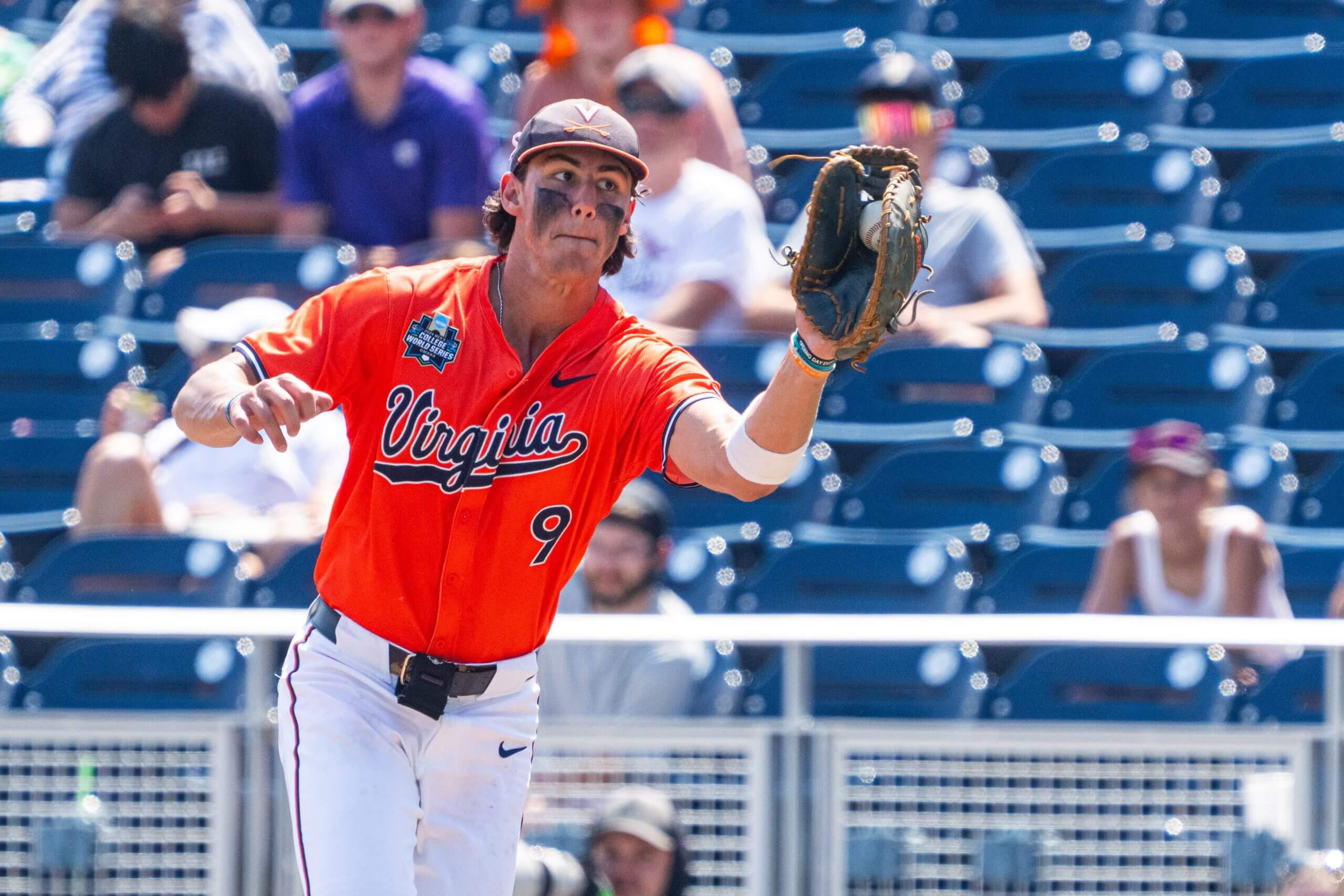
Ford hit a pair of homers in the Sunday game at NC State two weekends ago, doubling his home run total for the season — a big step down from his 17 homers as a freshman last year for the Hoos. He’s a superb defensive first baseman who’s capable of playing a corner outfield spot, with an unorthodox swing that might be holding back some of that power potential. He does hit for average and high contact rates, with a whiff rate of just 14 percent on pitches in the zone or the shadow, with a little too much tendency to chase.
Position Player
4-Year College
1B
OF
Scouting Report
Bats: R, Throws: R
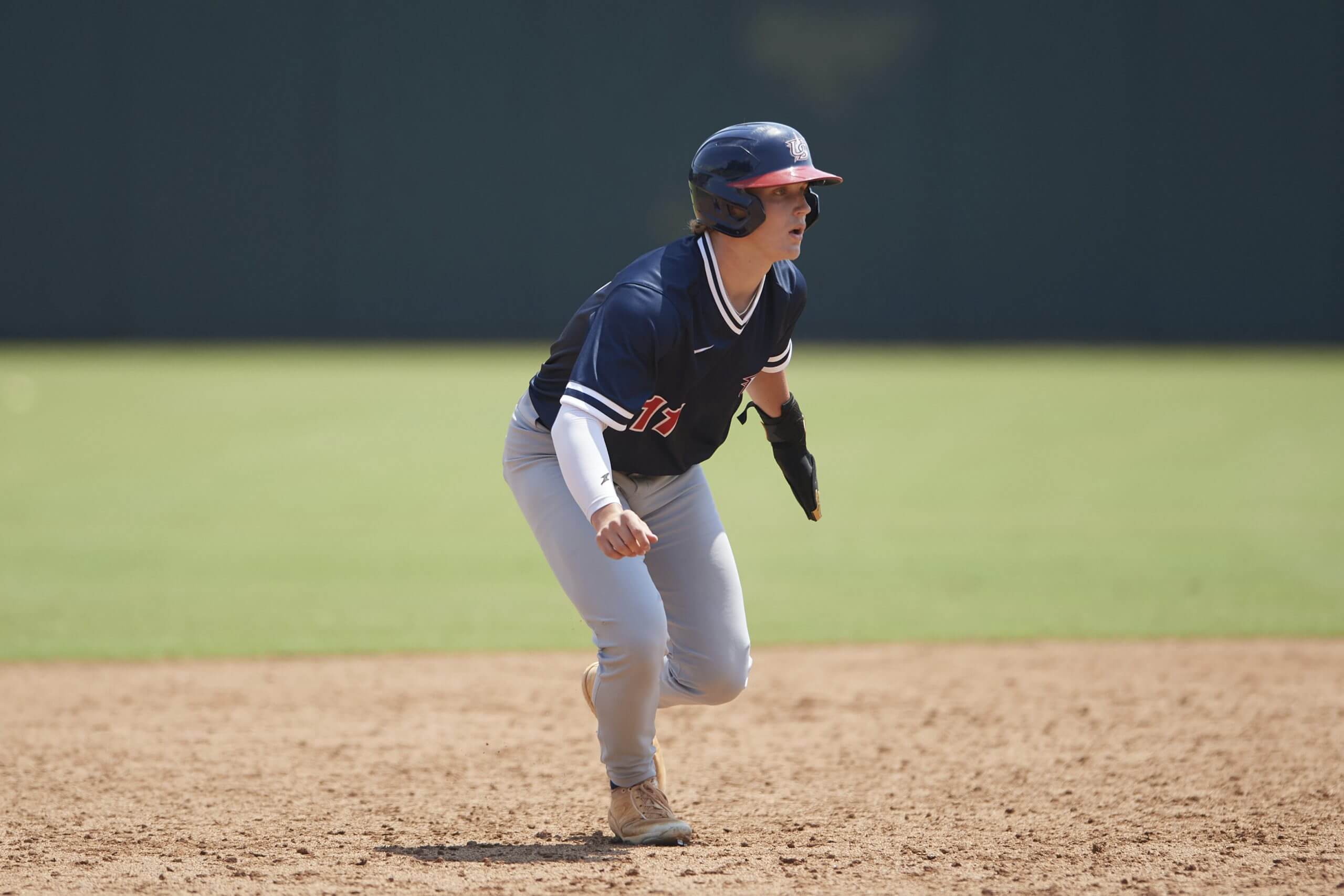
Hammond is a shortstop and occasional reliever who’s up to 97, with his pro future entirely as a position player. He’s extremely muscular already and has plenty of arm for short (obviously), while at the plate he’s much more power than hit right now and didn’t show great pitch recognition at NHSI against some of the best stuff he’ll see this spring. He’s such a good overall athlete that he seems like a huge bet on upside, probably for someone’s second pick.
Position Player
Pitcher
High School
3B
RHP
Scouting Report
Bats: L, Throws: R
Yost is an extreme contact-hitting shortstop who doesn’t whiff or chase, hitting for no power in the process. His swing is short and he doesn’t stride or even lift his lead foot at all, just flinching it quickly before swinging, with a whiff rate on the circuit last year of just 7 percent (in a smaller sample of pitches than most players of his caliber had). He’s a true shortstop and a plus runner who could probably also go to center if need be.
Position Player
High School
SS
Scouting Report
Bats: L, Throws: R
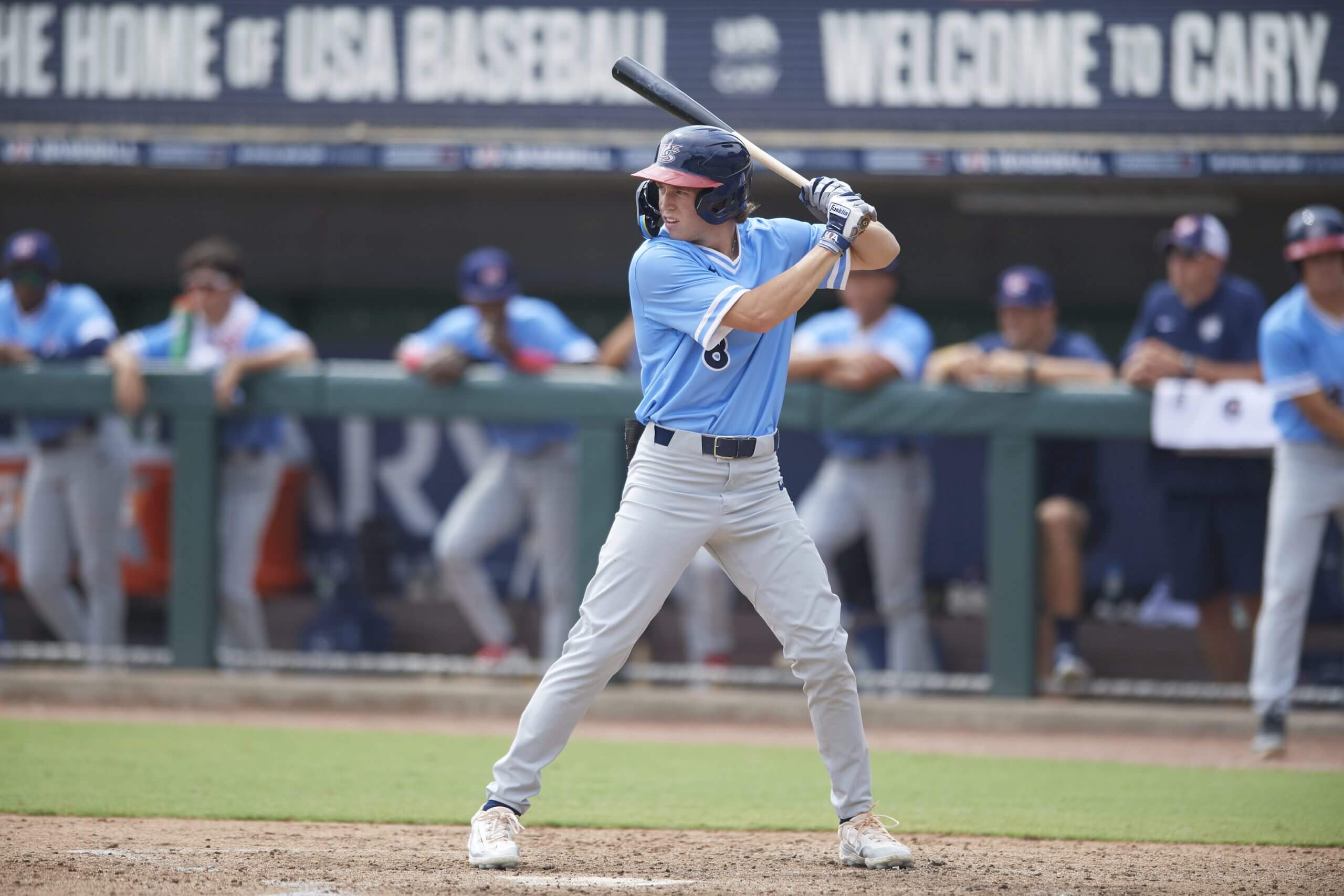
Gamble is a 70 runner with above-average bat speed, probably needing to move to center field in pro ball, who’ll need some swing help to tap into more power. He’s more athlete than hitter right now, with a flatter swing that doesn’t loft the ball a ton, and he tends to open his front hip early so he doesn’t always square the ball up like he should. I could easily see 20/20 upside here — or 20/40 — in the right organization, but from a guy who takes longer to reach the majors than the very top high school position players do. He’s committed to Vanderbilt, where he’d be age-eligible for the draft as a sophomore in 2027.
Position Player
High School
SS
Scouting Report
Bats: R, Throws: R
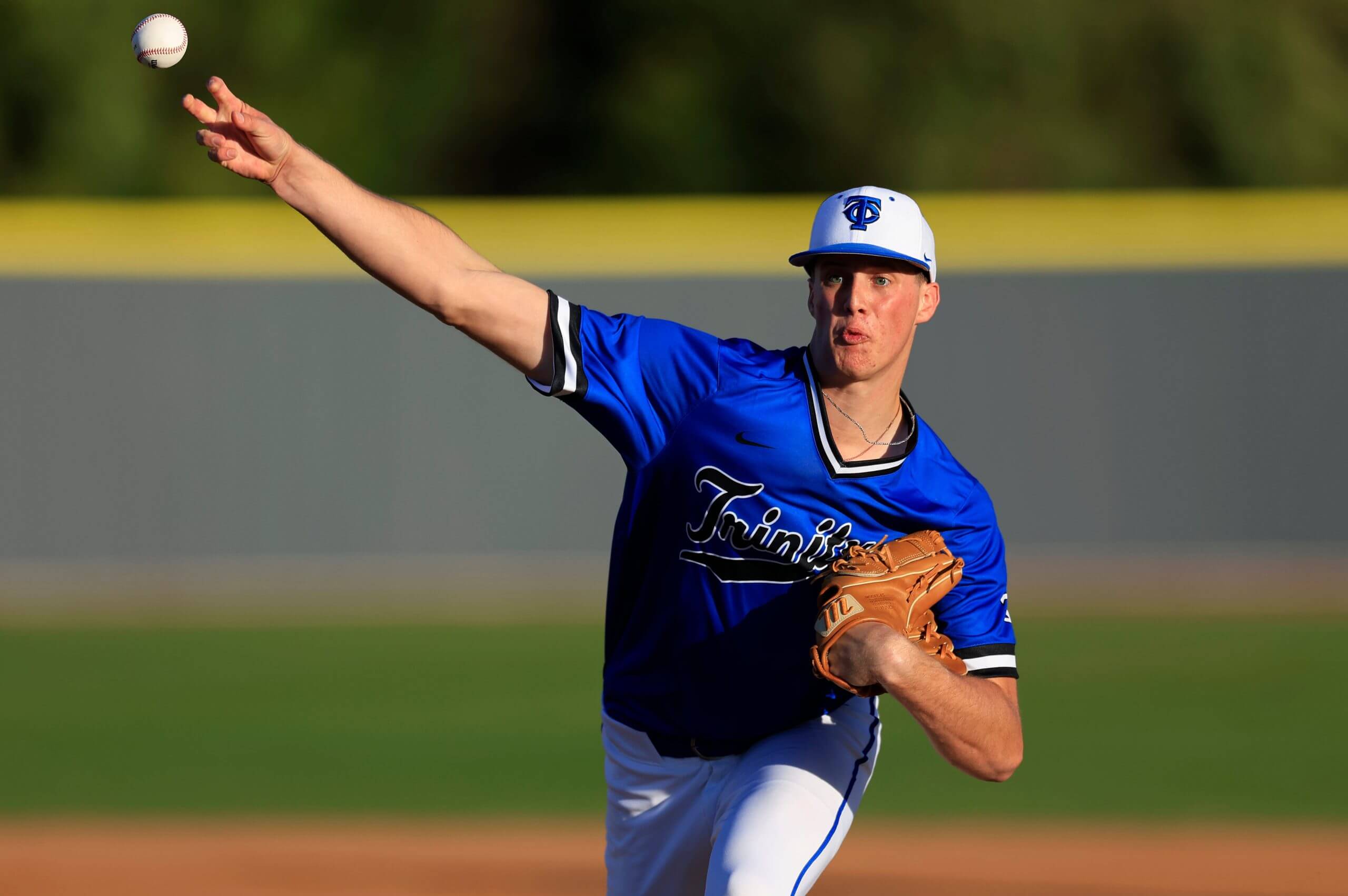
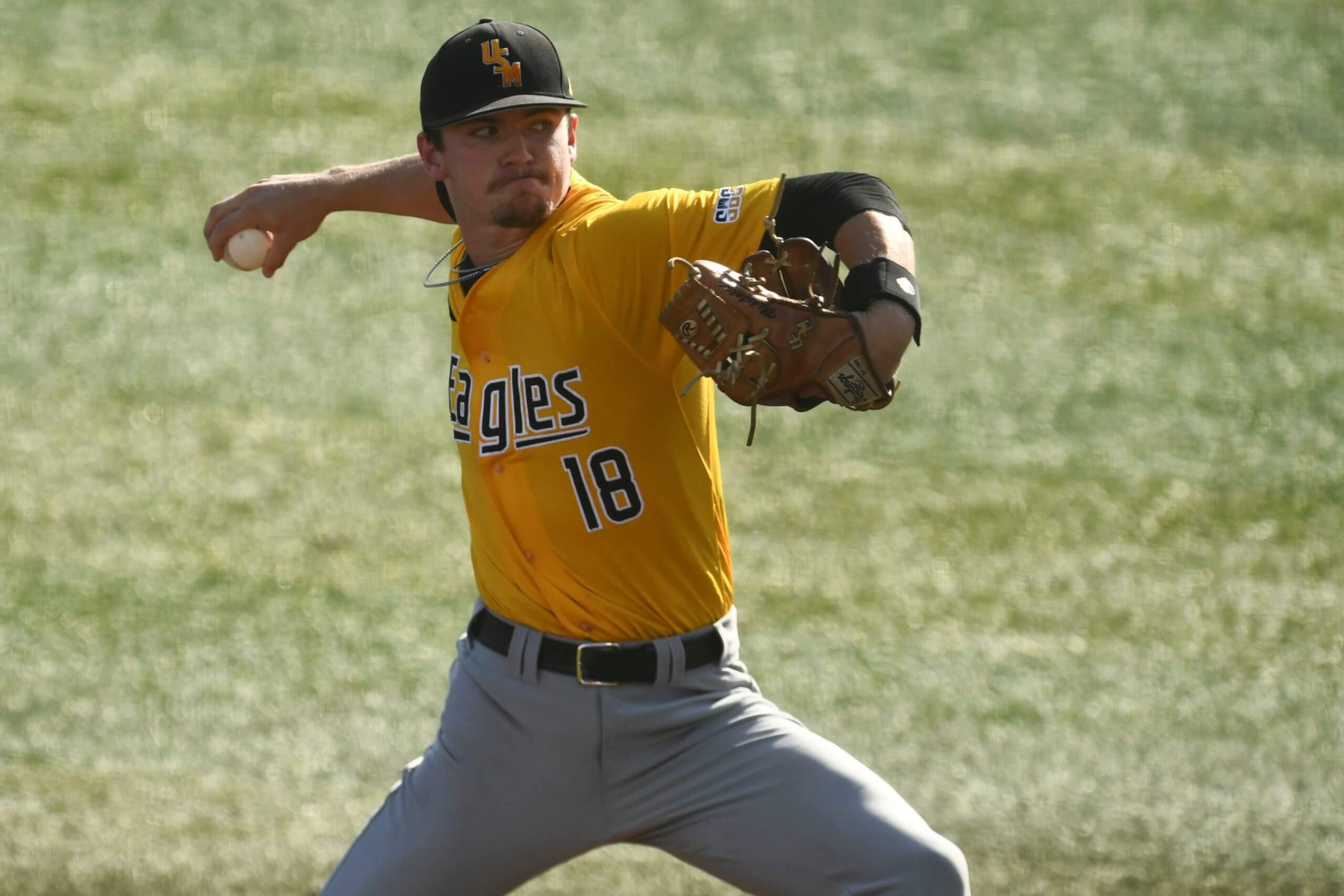
Watson may have been the biggest beneficiary of this year’s NHSI tournament at the USA Baseball Complex in Cary, N.C., as he showed not just stuff but a good delivery, good control and real feel for pitching. He’s 92-96 with a three-pitch mix, with a solid-average slider and average to above-average split-changeup, the latter up to 89. He throws both a four-seamer and two-seamer, the latter 91-92 with real boring (the good kind) life. He repeats the delivery well, getting a little deception from a slot a tick below three-quarters, and gets enough ride on the four-seamer to keep hitters from squaring it up. If you’re looking away from the high-velocity high school arms, toward guys who have the other things you want to see in a pitcher without the present plus fastball, he’s among the best options in the class.
Scouting Report
Bats: R, Throws: R
Middleton is a three-pitch starter who’s been up to 97, sitting more 93-95, with an above-average to plus slider and a hard, straight changeup that has actually missed more bats than the slider this year. His arm is very quick and he throws everything hard, and even with that he’s shown average control, with a 7.8 percent walk rate this season and 65 percent of his pitches going for strikes. The fastball plays fine, about what you’d expect from the velocity, but it’s not going to be a carrying pitch for him. He’s a sure starter who has the weapons to be effective against hitters on both sides of the plate.
Scouting Report
Bats: R, Throws: R
Fisher’s season just started, but he came out hot, working 92-95 with very good ride on the pitch and a hammer curveball with sharp downward break. He’s a very good athlete and former quarterback who repeats his delivery really well, and probably has quite a bit of projection left to the fastball.

Scouting Report
Bats: L, Throws: L
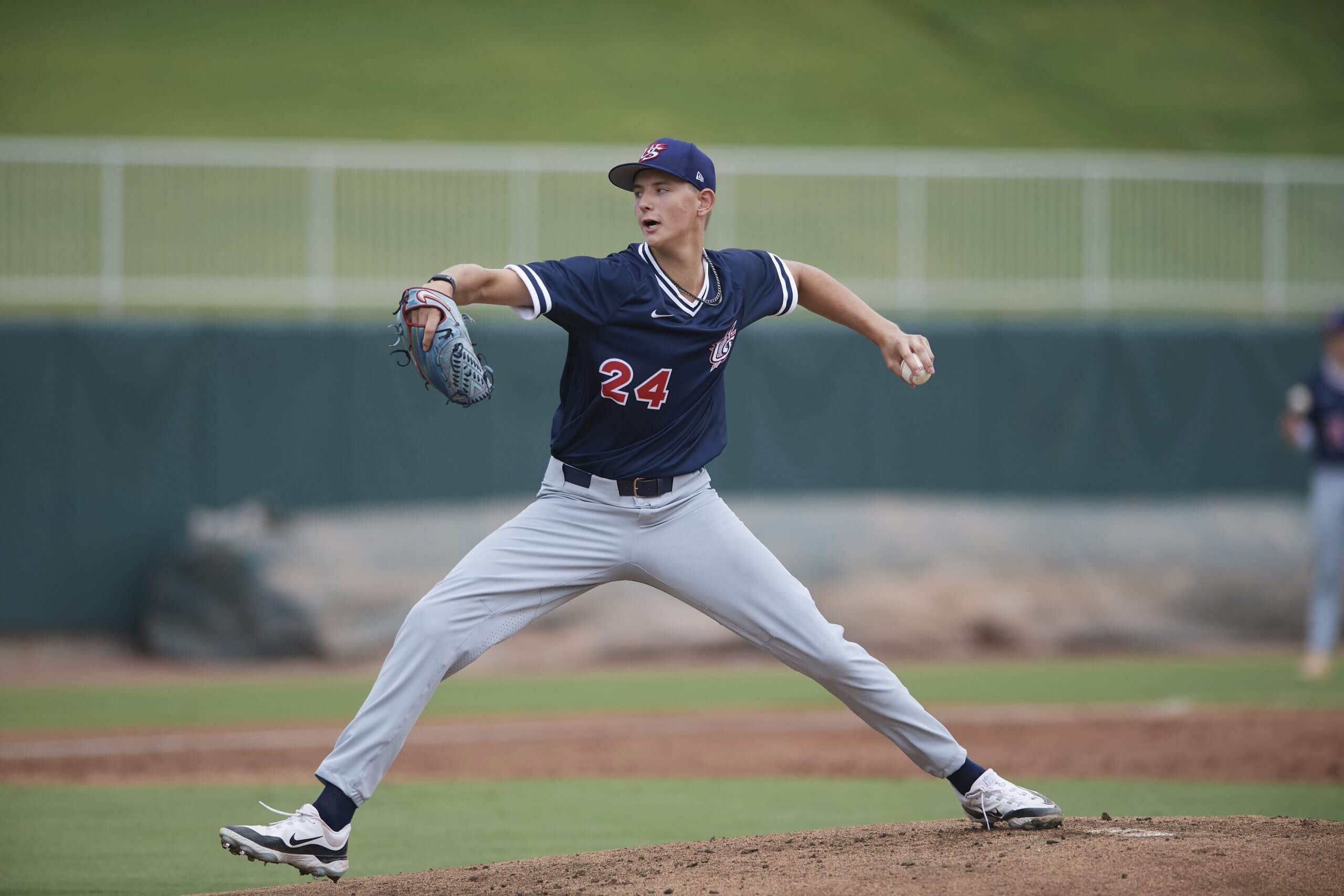
Schoolcraft is 6-foot-8 and imposing on the mound, coming from a low three-quarters slot and getting out over his front side at release to take advantage of his height. He sits in the mid-90s with a slider that’s plus when he lands it and a hard changeup. He takes a big stride towards the plate — I’m not sure what would constitute a “small” stride for him, it’d probably be three giant leaps for me — but his arm is late, and that may be why the slider is inconsistent and often finishes up. Every pitching coach in baseball would want to work with him, though, given the foundation of size, arm strength, and ability to spin the ball.
Scouting Report
Bats: R, Throws: L
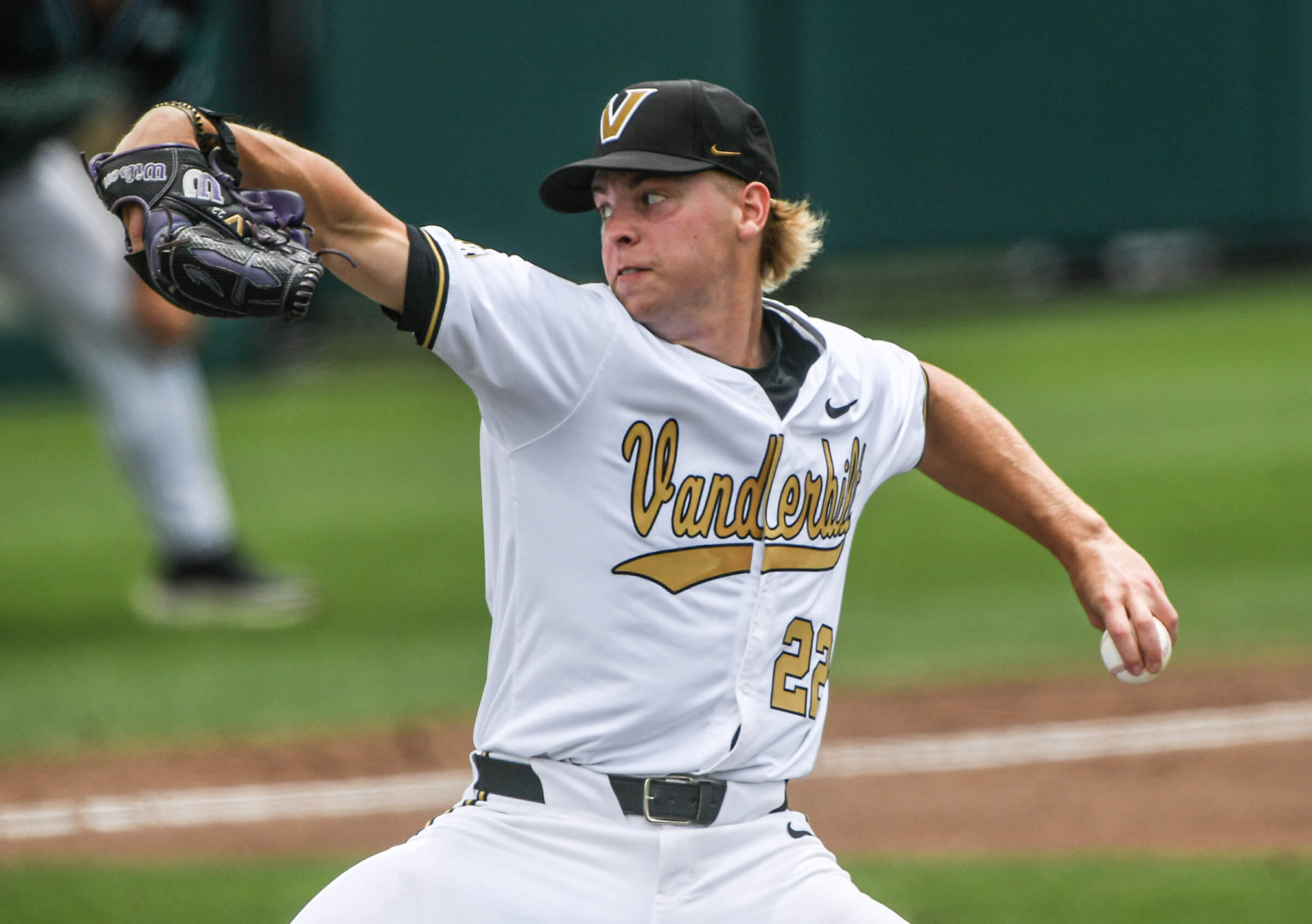
Thompson has one of the best changeups in the draft, and his 91-94 mph fastball really plays up when it’s in the upper third or above the zone because it has so much ride on it. His command is really inconsistent, as is his upper-70s curveball, although sometimes it’s good enough for him to bury it down and in to get righties out. He’s got plenty of stuff to start for the right organization.
Scouting Report
Bats: L, Throws: L
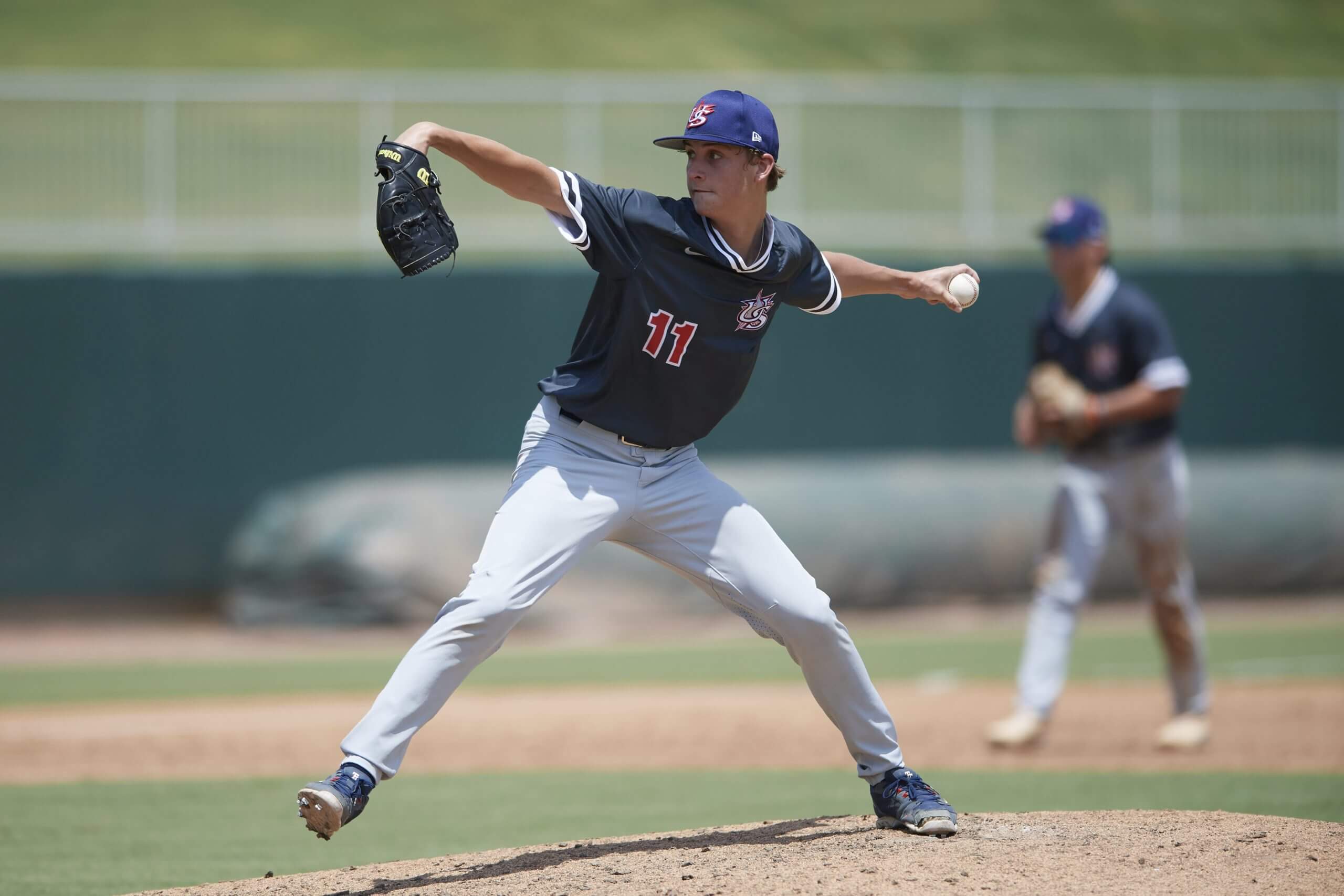
Bauer wears No. 24, which is an admirable way of leaning into it. He was 90-93 last year, but in a recent start at Lake Point in Georgia, he came out at 99, and then went 100, 101, and topped out at 102, which is going to be more than enough for someone to jump at him in the first two rounds. He’s had trouble throwing strikes in the past and the delivery isn’t great, as he never really gets over his front side and has an abrupt stop at release. It’s 102 from the left side, though, with enough slider that someone will bite even with the question marks.
Scouting Report
Bats: R, Throws: R
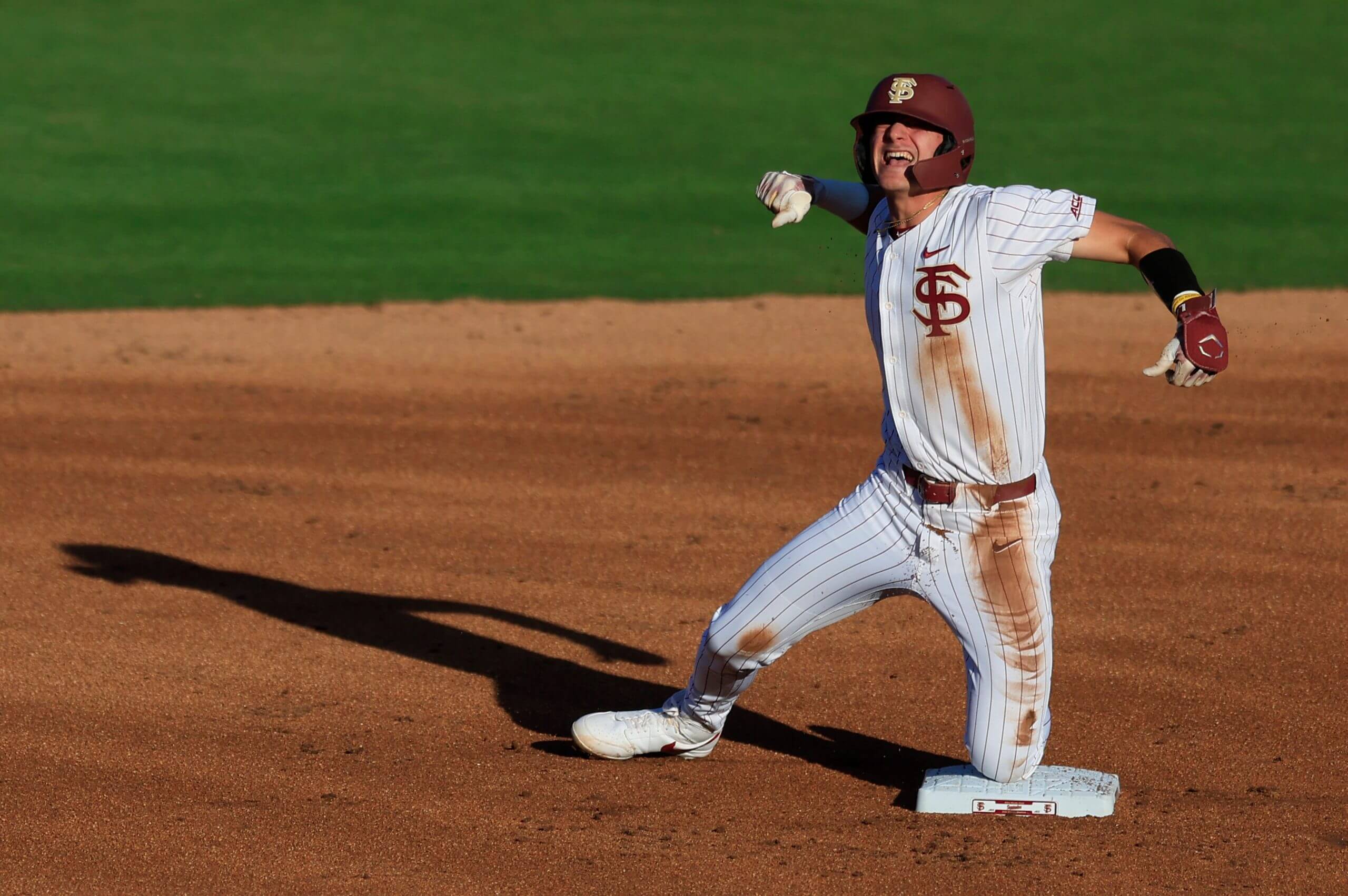
Lodise has shown all-fields power this spring, with a .448/.500/.825 line after Florida State’s doubleheader on Saturday, with an adequate 22 percent strikeout rate, and if he didn’t chase so many pitches out of the zone he’d probably be a first-rounder. He’s only walked on his own 11 times all spring (7 percent) due to a chase rate of 35 percent, still at 25 percent if we exclude pitches in the shadow. He swings hard but it’s pretty direct and the power is at least a 60. He’s an average runner who’ll play an outfield corner, so he’s going to have to hit more and/or show some more patience to be an everyday guy, with 25-plus homer upside if he does so.
Position Player
4-Year College
OF
Scouting Report
Bats: R, Throws: R
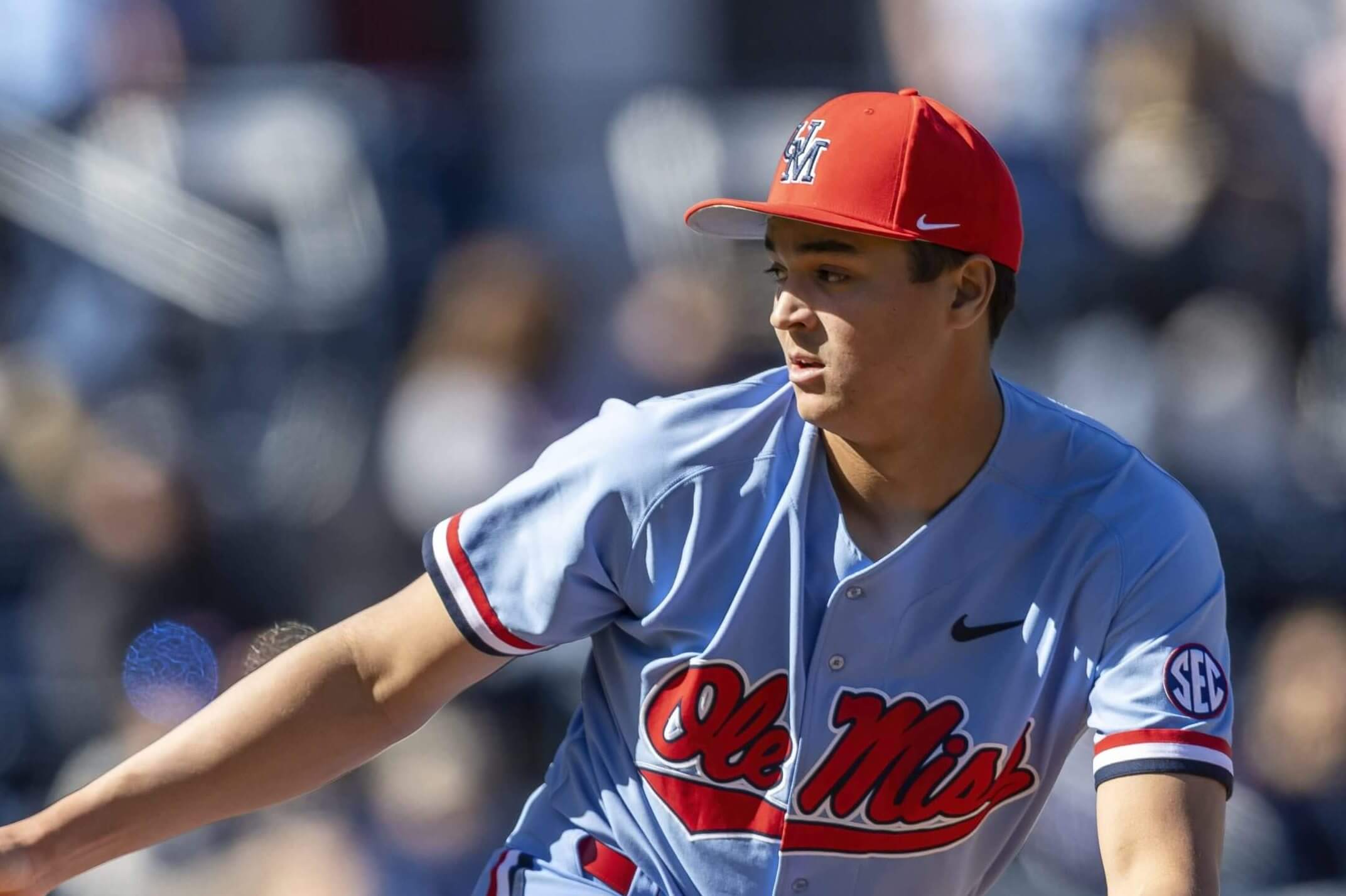
I’m not even sure I’d have him here had I not seen it with my own eyes during the opening weekend of the season, but Morris, who works out of Mississippi’s bullpen, has all of the ingredients to be a starter, showing it again this past weekend with five shutout innings against Tennessee where he struck out eight, relieving a starter who couldn’t go past the fourth. He’s 93-96 with a slider and cutter, probably needing a better weapon for lefties, and he repeats his delivery very well for at least average control. Someone’s going to take him in the second or third, move him right into the rotation, and get a bargain.
(Top photo illustration by Will Tullos / The Athletic; photos left to right of Liam Doyle, Ethan Holliday, Jamie Arnold — Isaiah Vazquez, Aaron M. Sprecher, Dustin Bradford / Getty Images)