
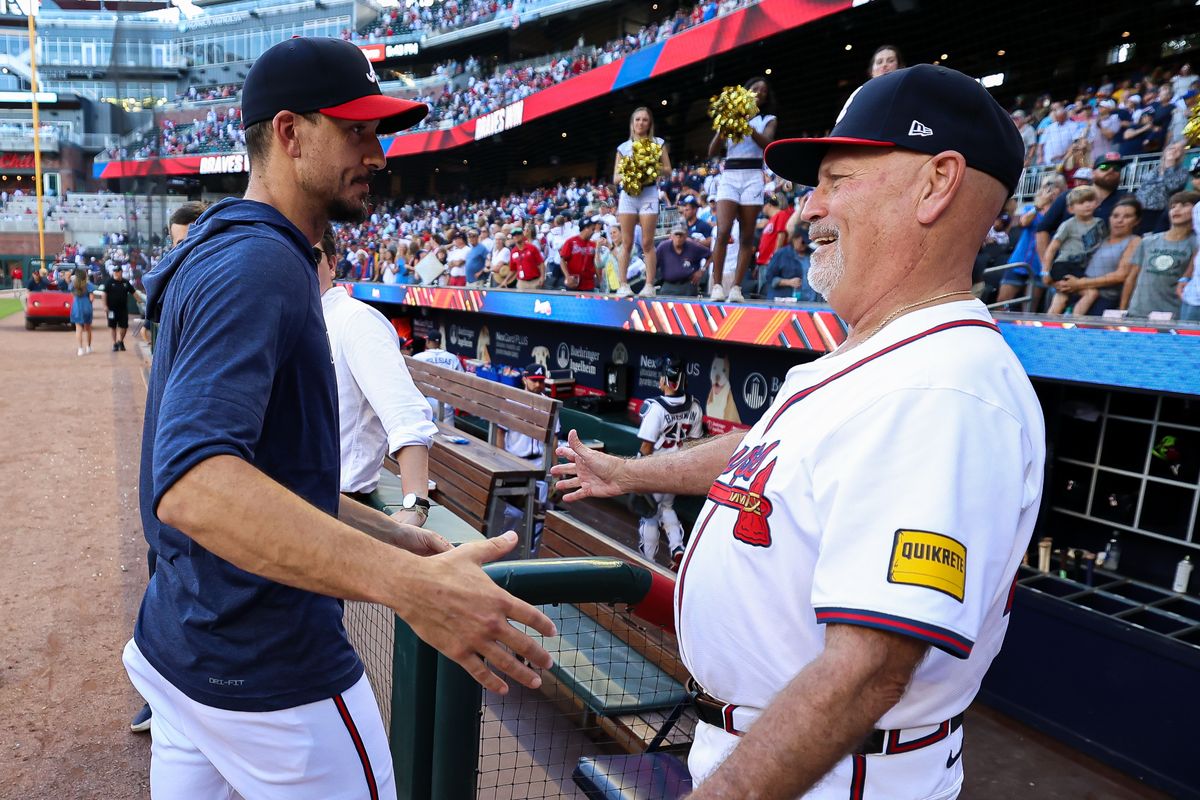
With Brian Snitker stepping down in Atlanta, there are now eight major league teams with a managerial opening. Five of those spots became vacant since the end of the season, and three teams have had interim managers in place for a while.
With the dust settling, it’s time to take a look at which of these jobs are the most attractive.
It’s a subjective exercise of course, and it depends on what a prospective manager values. Some teams can offer a talented current roster, while others might have a better long-term outlook. And of course, the quality of the front office and ownership plays a big role.
1. Atlanta Braves
The good: Atlanta has a lot more talent than your usual 76-win team, and that puts the Braves atop the list. There’s good reason to believe they are poised for a rebound after Ronald Acuña Jr. and Austin Riley each missed at least 60 games this year. Few teams can match Atlanta’s reputation for consistent success over the past three-plus decades, and even since Bobby Cox departed in 2010, the Braves have needed only two managers — Snitker and Fredi Gonzalez.
The bad: It’s a tough division, and after winning 104 games in 2023, Atlanta declined to 89 before falling even further this year. So the Braves’ of wealth of talent under team control may have already peaked.
2. Texas Rangers
The good: There’s still a chance for short-term success here after Texas led the major leagues in ERA for the first time in franchise history. The Rangers have veteran starters Jacob deGrom and Nathan Eovaldi signed beyond next season, along with former No. 2 overall pick Jack Leiter coming off a solid rookie season. Their retractable-roof home stadium, which stays mostly closed, has become more of a pitcher’s ballpark.
The bad: The front office has already indicated that the $241 million payroll is going down after the Rangers missed the playoffs without a winning record in both seasons since their only World Series championship in 2023. There is at least some uncertainly on how to proceed after four seasons with the half-billion dollar middle infield of shortstop Corey Seager and second baseman Marcus Semien. And outgoing manager Bruce Bochy is a tough act to follow.
3. Baltimore Orioles
The good: A couple years ago, the Baltimore job would have ranked even higher after the Orioles won 101 games behind a young, cost-controlled core that could make any franchise envious. Now Baltimore has to rebound from a sub-.500 season, but there’s still a lot of potential here with Gunnar Henderson in the middle of the infield and Kyle Bradish looking good down the stretch on the mound. The parade of prospects continued this year, with catcher Samuel Basallo arriving in August.
The bad: Basallo is the only one of those young standouts to sign an extension so far, so it’s possible the Orioles could lose Henderson and some others before too long. Also, several of Baltimore’s young hitters regressed this year, meaning the future isn’t as certain as it once seemed. After a successful rebuild, there are still questions about the franchise’s ability to attract established stars, and the AL East can be brutal.
4. San Francisco Giants
The good: It’s an organization with plenty of history, and the front office showed it was willing to go big when it traded for Rafael Devers. Throw in a beautiful ballpark and a market they now have all to themselves, and it feels like the Giants should never be all that far from contention.
The bad: This job comes with a fair amount of pressure — witness Bob Melvin getting fired after just two seasons — and the Giants have to compete with the Dodgers in the NL West. Although Devers is a decent hitter to build around, the overall roster is decidedly average.