
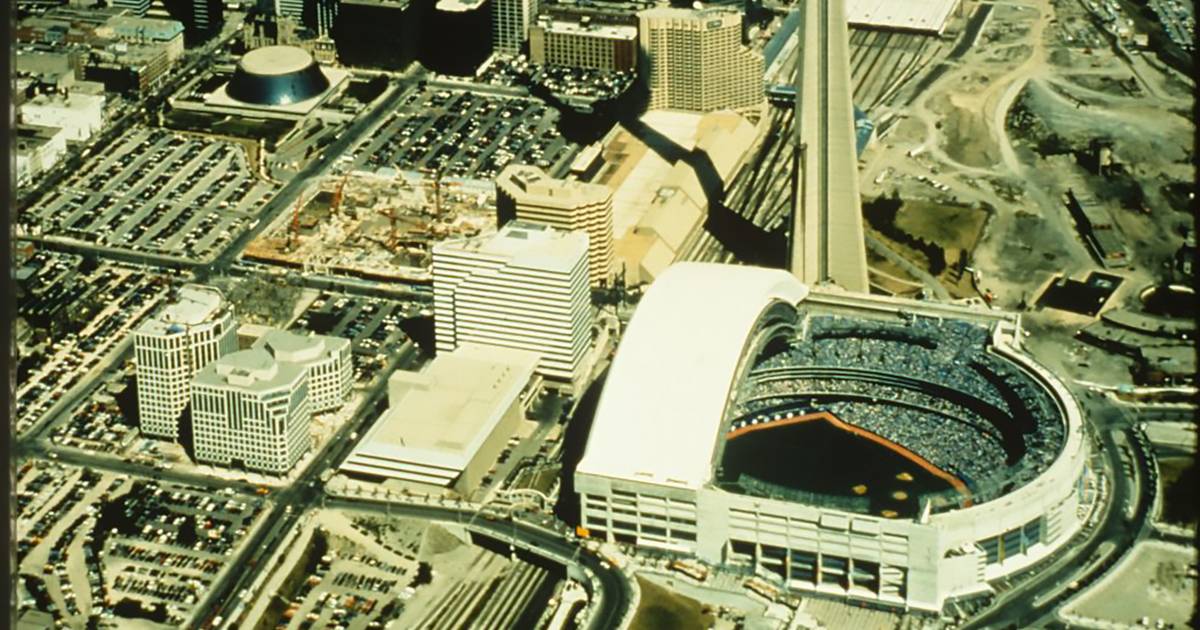
The Toronto Blue Jays are headed back to the World Series for the first time in 32 years, and a whole lot has changed in and around the team’s home stadium in over three decades.
Back when the Jays last appeared in a World Series, taking back-to-back titles in 1992 and 1993, a trip down to the dome was an entirely different experience inside and out.
Everything from the stadium’s name, configuration, and the entire surrounding neighbourhood have been transformed top-to-bottom, and many U.S. baseball fans will soon see a whole new Toronto when they tune in to watch the Jays compete on the biggest stage against the Los Angeles Dodgers in the 2025 World Series.
So, without further ado, here’s everything that’s changed about the Rogers Centre and its surroundings since the Toronto Blue Jays’ last World Series appearances in the early ’90s.
Getting to the game
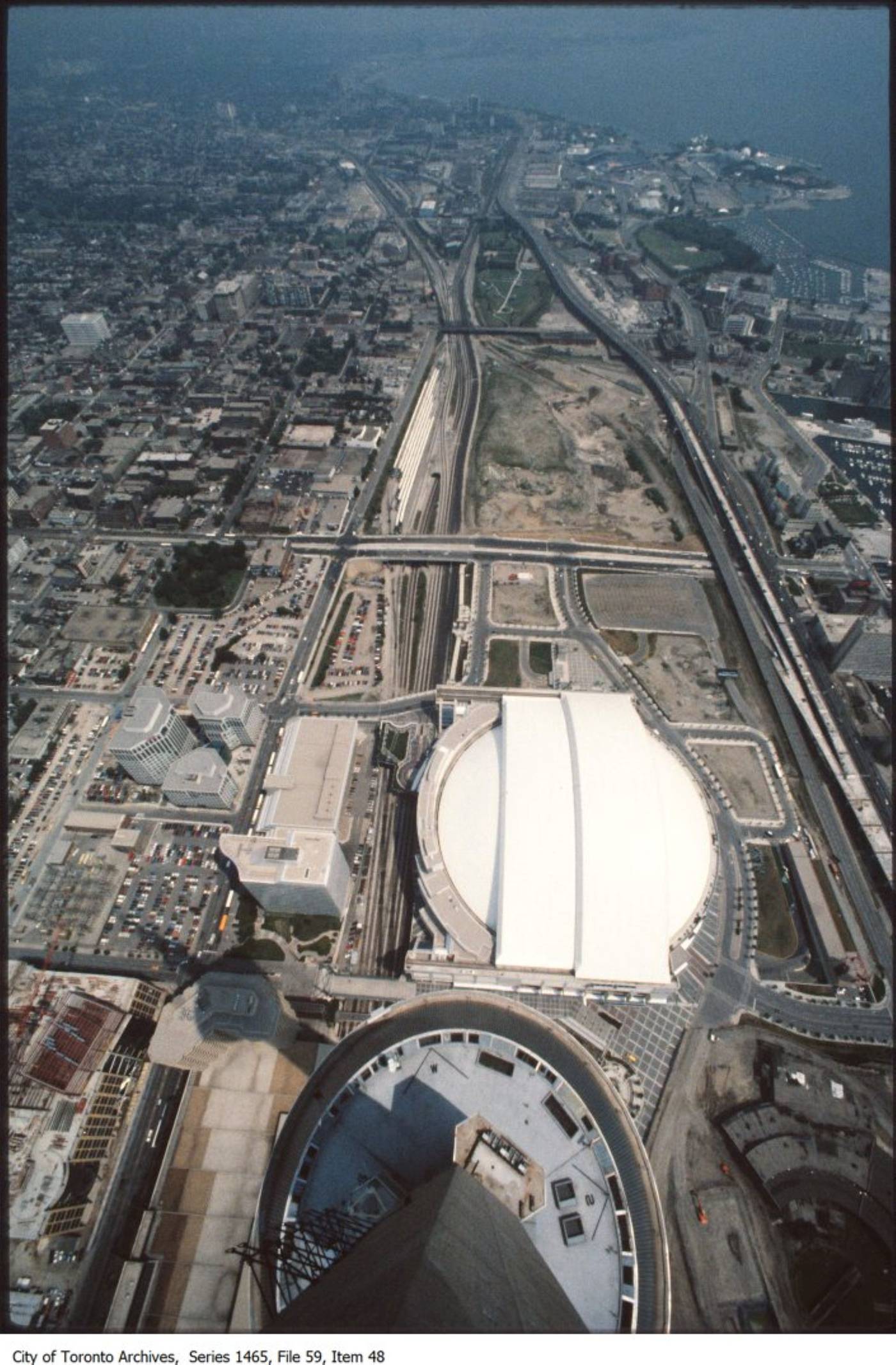
A trip to the dome wasn’t always the seamlessly connected urban stroll it is today. During its early years, the stadium was something of an island surrounded by undeveloped lots and surface parking, and getting there came with its share of inconveniences.
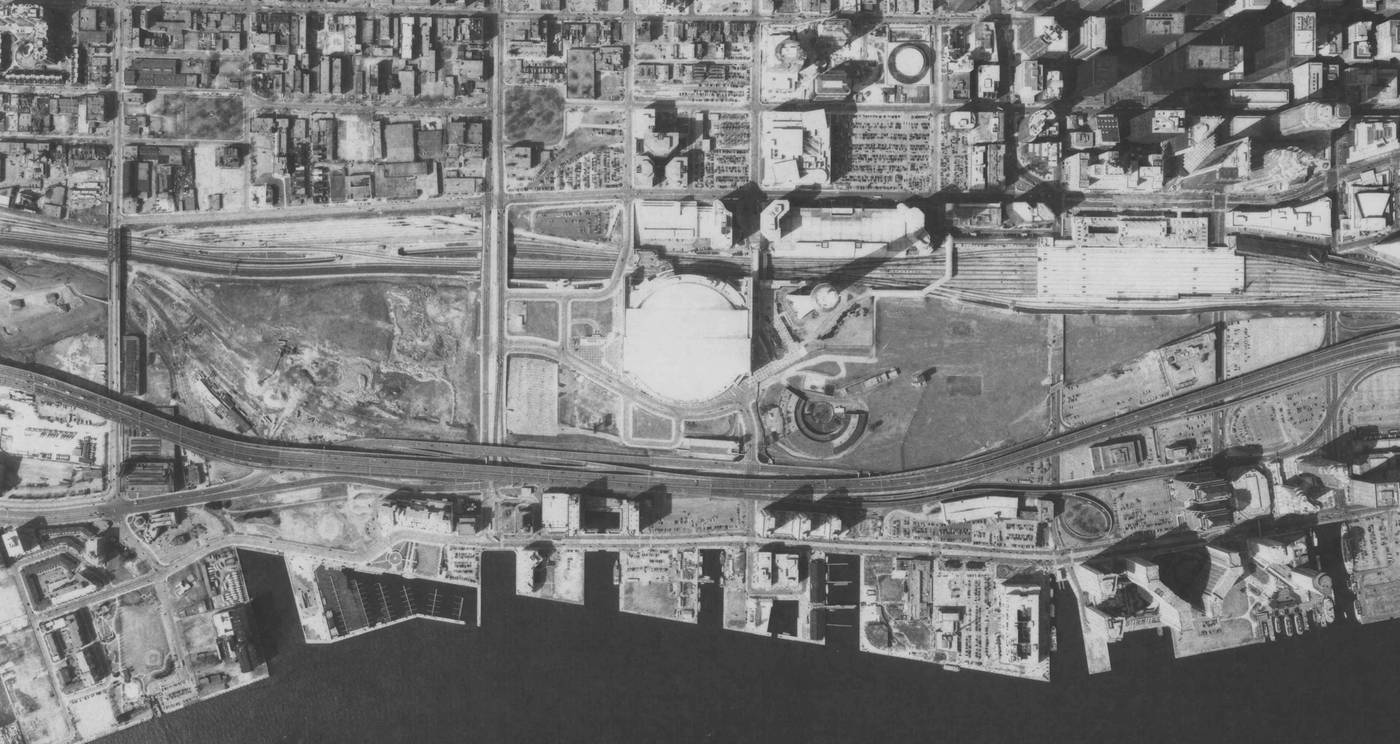
1992 aerial view of the then-SkyDome and surrounding area, still largely undeveloped. City of Toronto.
That island-like feel was reinforced by the limited access options connecting the stadium site to the city centre to the north. Pedestrians would stream along the SkyWalk from Union Station or via the bridge at Front Street.
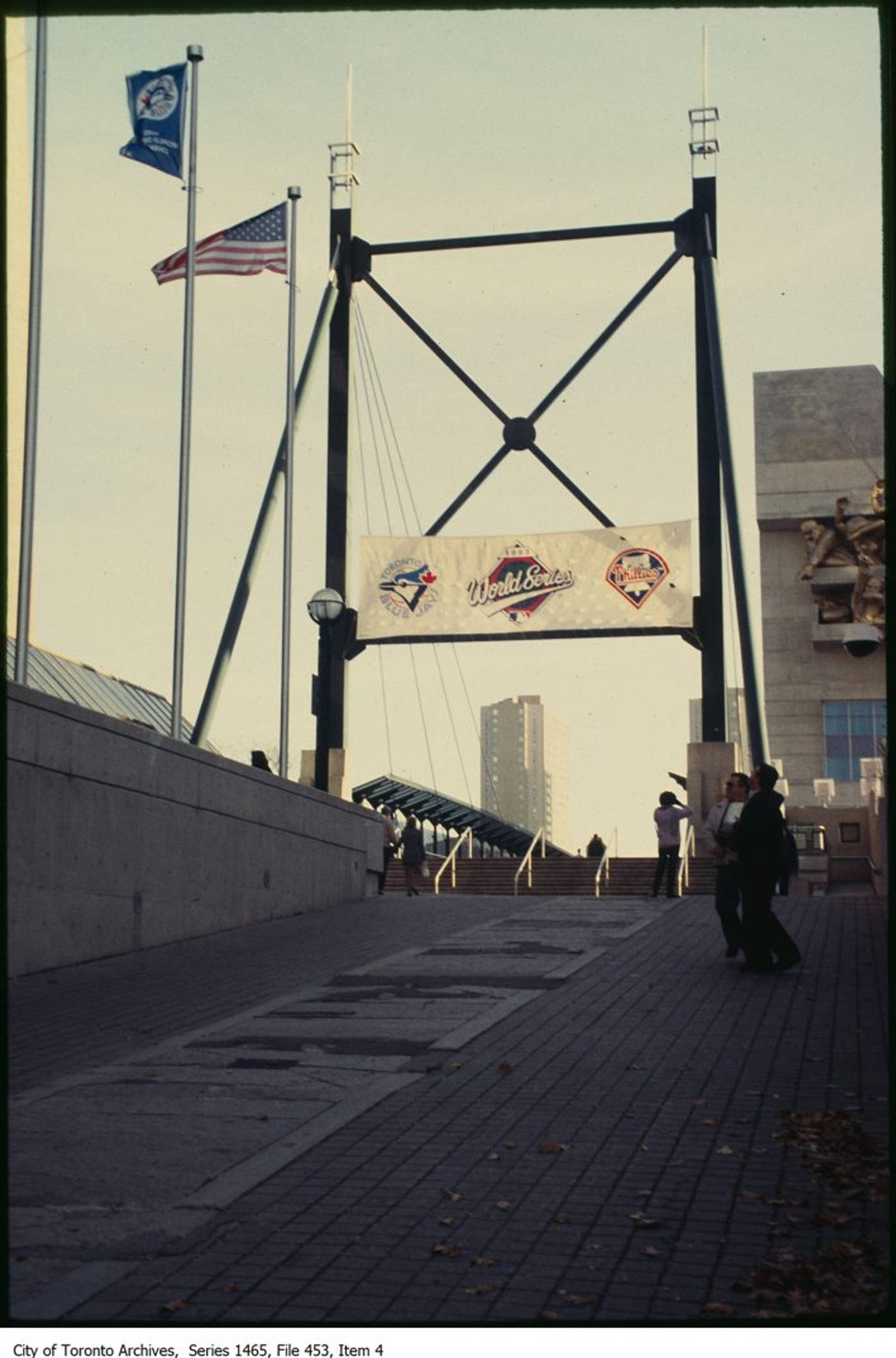
Toronto Archives
Getting to the dome from the west was a bleak experience, passing disused rail yards that stood where a fully developed neighbourhood exists today.
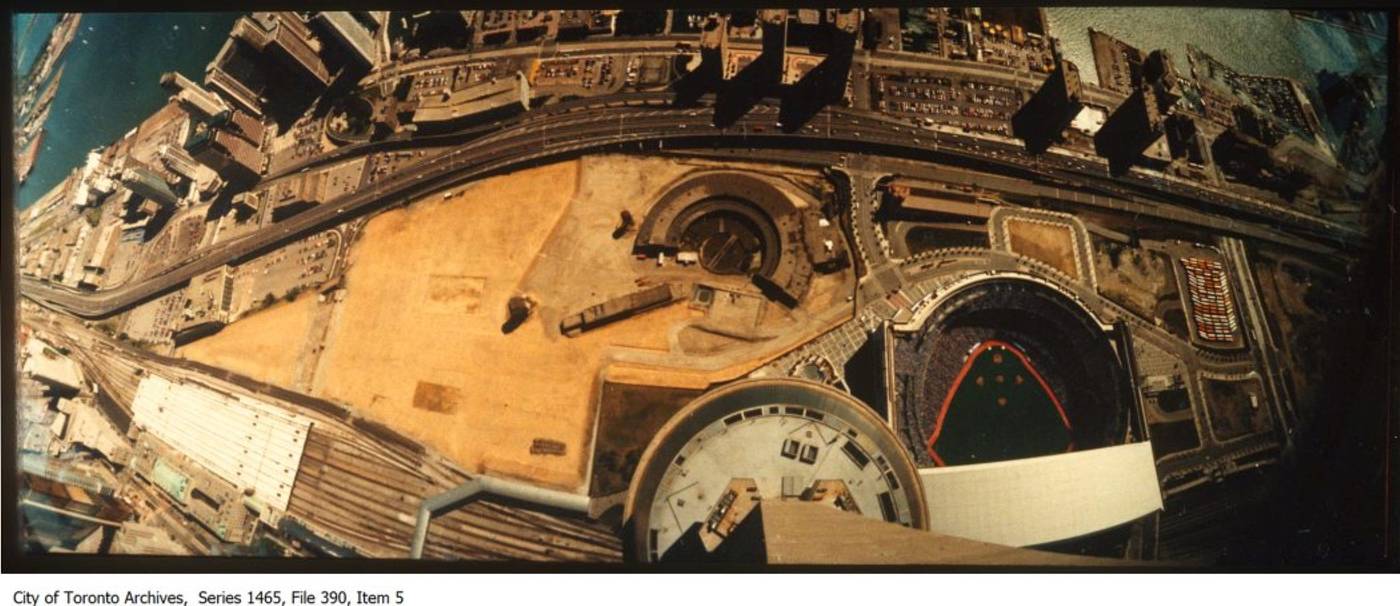
Toronto Archives
Brought into this world as an isolated behemoth divided off from the city by infrastructure and decay, the Rogers Centre has since been absorbed by the city that gave birth to it, and even created a localized economy that supplies businesses in the area with a reliable flow of crowds.
Toronto Archives
With the condos and offices, a permanent population in spitting distance to the stadium has kept the fanbase lively even at the worst times, while spurring the opening of restaurants and other businesses in the vicinity.
The dome itself
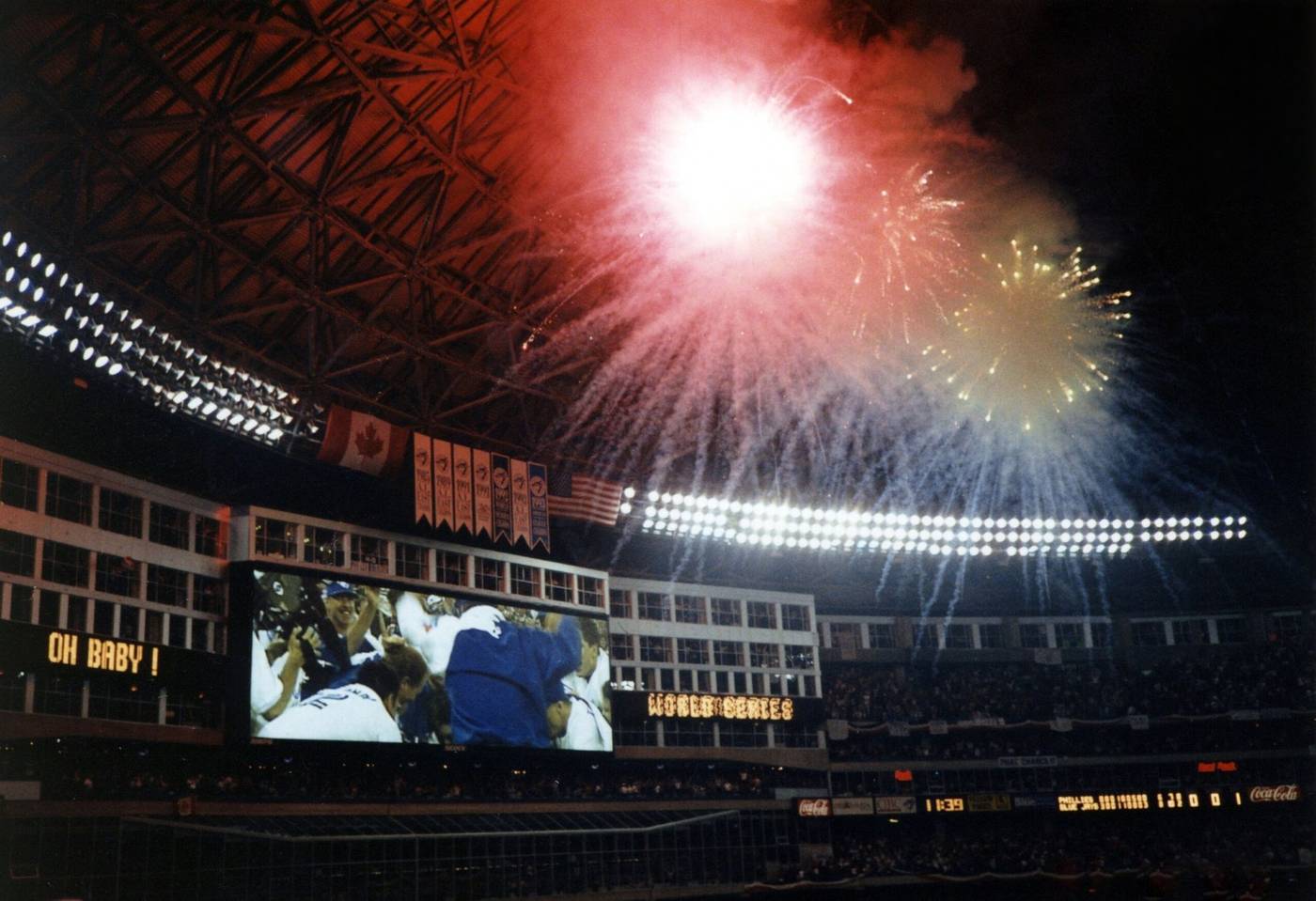
The Rogers Centre was only four years old and still known as the SkyDome when Joe Carter walked the Jays off to win the 1993 World Series. It is now the 6th-oldest ballpark in the big leagues, and has undergone quite the transformation in the last three decades.
Toronto Archives
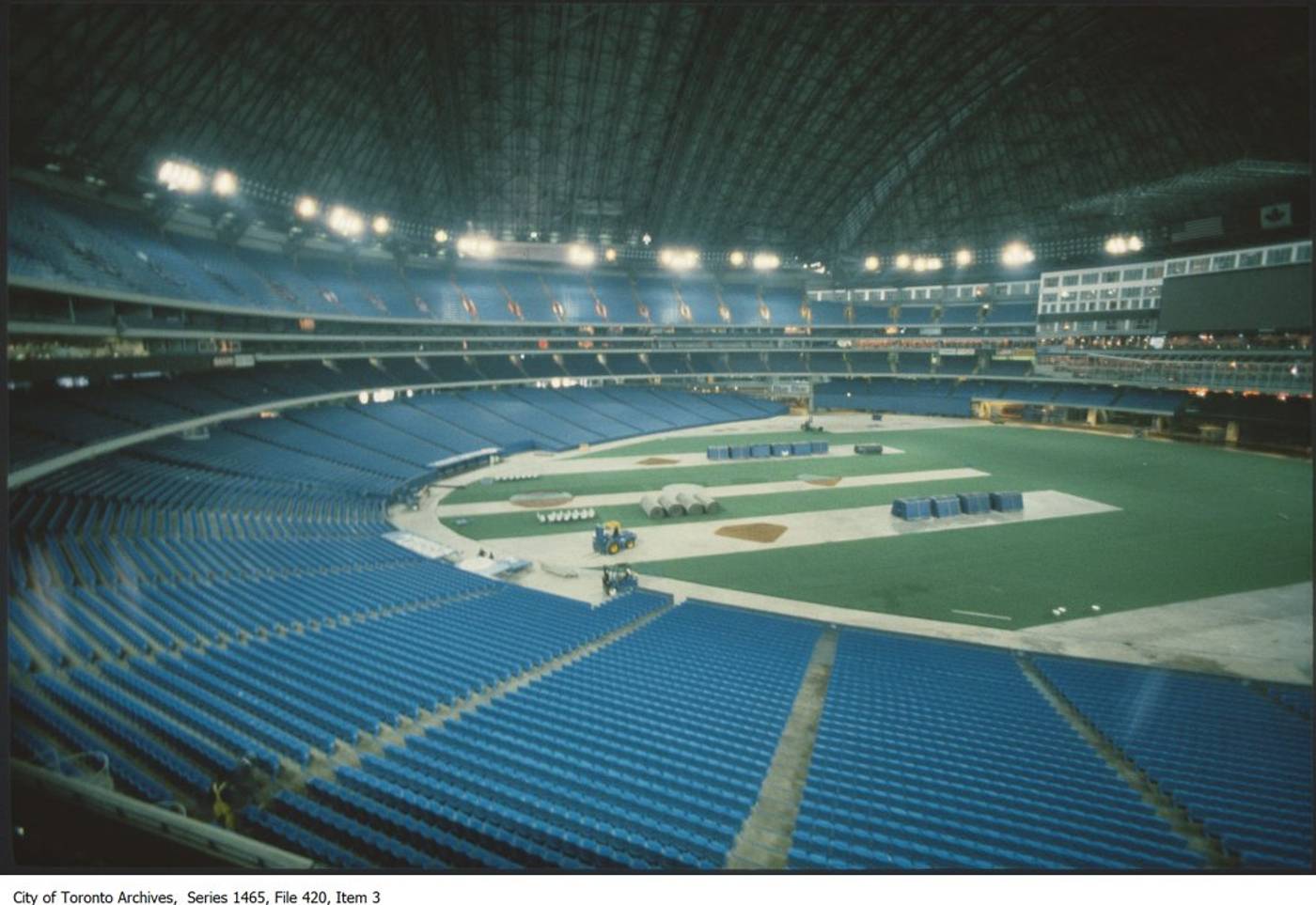
Aside from aesthetic changes reflecting the team’s evolving identity, the ballpark has undergone a reconfiguration from its multipurpose roots with the exit of former tenant the Toronto Argonauts, along with a more recent, approximately $400 million multi-phased renovation that has given the dome new life.
The ’90s era SkyDome’s look was immortalized in those glory days, but a game at the Rogers Centre decades later is a much different-feeling experience that still rivals some of the newest ballparks in the league.
Striderv: Wikimedia Commons
During open-dome home games in the 1990s, fans could only see the CN Tower soaring overhead. Decades later, a skyline has developed around the stadium as surrounding rail lands have been redeveloped into full-fledged neighbourhoods.
So, if you manage to score seats to a World Series game in 2025, just know that the hallowed ground you stand on has lived many lives to get to this point, and with a new era of Blue Jays success comes another opportunity to immortalize a moment in time for this part of the city.