
For every fan base dreaming of a championship parade, there’s a phase where hope becomes the most valuable currency. It often starts with a message from the front office about patience and progress. Young players are coming. The future is bright. A better club is on the horizon.
That’s a comforting idea, especially when a team sits near the bottom of the standings. But for most organizations without top-tier payrolls, the results don’t live up to the promise. The Minnesota Twins know this feeling all too well. After six straight losing seasons from 2011 to 2016, a complete rebuild had had time to unfold. High draft picks, a new player-development focus, and a growing farm system were supposed to set the stage for sustained success. A few division titles followed, but the team never made it past the ALDS—and if one discounts the 60-game pandemic season, they never made back-to-back trips to the postseason. Now, after trading away nearly 40 percent of their roster at the 2025 deadline, the cycle might be starting over.
So what can fans realistically expect from a rebuild? To answer that, it helps to look at two teams that took drastically different paths to relevance.
Houston’s Ruthless Rebuild
When the Houston Astros committed to tearing everything down between 2011 and 2014, it was baseball’s version of a controlled demolition. They lost over 100 games in three straight seasons. Payrolls hovered near the league minimum, and fans were asked to endure some truly unwatchable baseball.
But Houston’s approach was unapologetic. They invested heavily in analytics, revamped player development, and stockpiled top draft picks. Those painful seasons produced cornerstone players like Carlos Correa, Alex Bregman, and George Springer. By 2017, the rebuild had evolved into a dynasty. Eight straight playoff appearances and seven consecutive ALCS trips followed, along with two World Series titles.
The Astros became the model for a modern rebuild. They proved that patience, when paired with elite scouting and player development, could lead to dominance. Yet, even that success came at a cost. Years of losing alienated fans, and their later sign-stealing scandal cast a shadow over their achievements. Still, few would deny that Houston’s plan worked as intended.
Baltimore’s Long Road Back
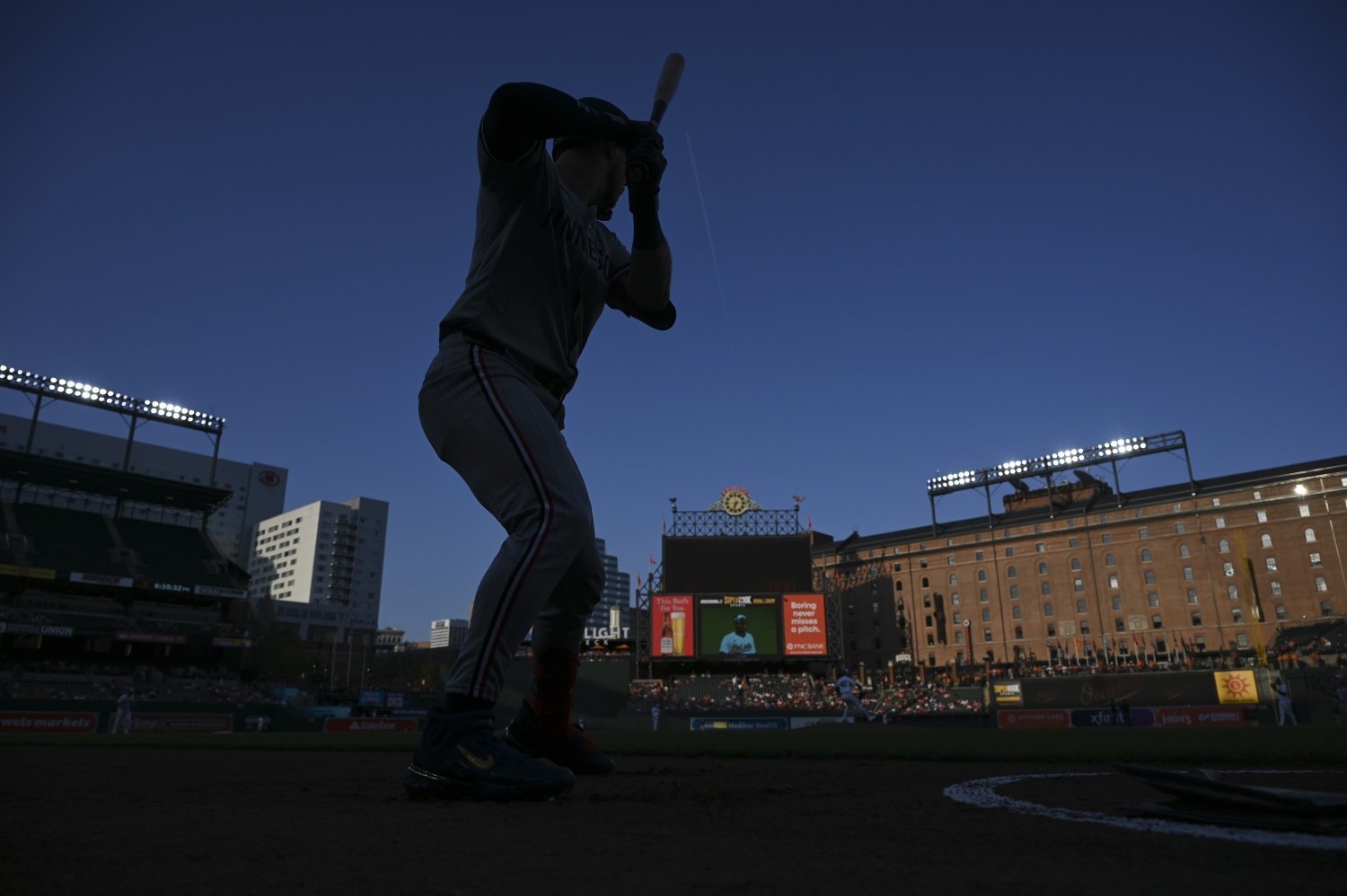
The Baltimore Orioles followed a similar blueprint, though their results have been more complicated. Between 2018 and 2021, the Orioles lost over 100 games in three of four seasons. The front office (headed by ex-Astros wonk Mike Elias) prioritized high draft picks and a complete overhaul of the organization. Their farm system quickly became one of baseball’s best, producing names like Adley Rutschman, Gunnar Henderson, and Jackson Holliday.
For a brief stretch, it looked like Baltimore’s patience was paying off. They reached the playoffs in 2023 and 2024, reigniting hope in a long-suffering fan base. But the dream stalled in the postseason. They never made it out of the ALDS, and in 2025, they tumbled below .500 again, finishing 19 games back in the brutal AL East.
Baltimore’s rebuild succeeded in creating a fun, young roster, but financial limitations and an inscrutable unwillingness to spend on established stars have left their project of domination unfinished. They built the foundation, but never added the capstones. It’s a story that feels familiar to Minnesota fans.
The Double-Edged Sword of Rebuilding
A rebuild offers an easy sell for a front office. It buys time. It allows ownership to lower payroll, while still promising better days ahead. Fans are told to be patient, trust the process, and celebrate the future rather than the present. The problem is that for most small-market clubs, that future never truly arrives.
Teams like the Astros are the exception, not the rule—and their massive media market gave them a cushion the Twins do not enjoy. Rebuilds can lead to improved farm systems and more innovative player development strategies, but without consistent financial investment, they rarely deliver championships. In the meantime, losing becomes normalized, and fans are left to wonder when all the suffering will finally matter.
For the Twins, the challenge now is to prove that this next phase isn’t just another reset. They’ve rebuilt before. They’ve drafted well at times. They’ve won the division. But if the cycle of tearing down and treading water continues, the promise of a brighter future might start to feel like a well-rehearsed sales pitch rather than a real plan. Asking fans to believe that new wave of innovation is coming without a change in front-office leadership is a tall order.
Hope is powerful, but it only lasts so long before fans start asking for results.
Are the Twins in a rebuild? When is their next winning window? Leave a comment and start the discussion.