
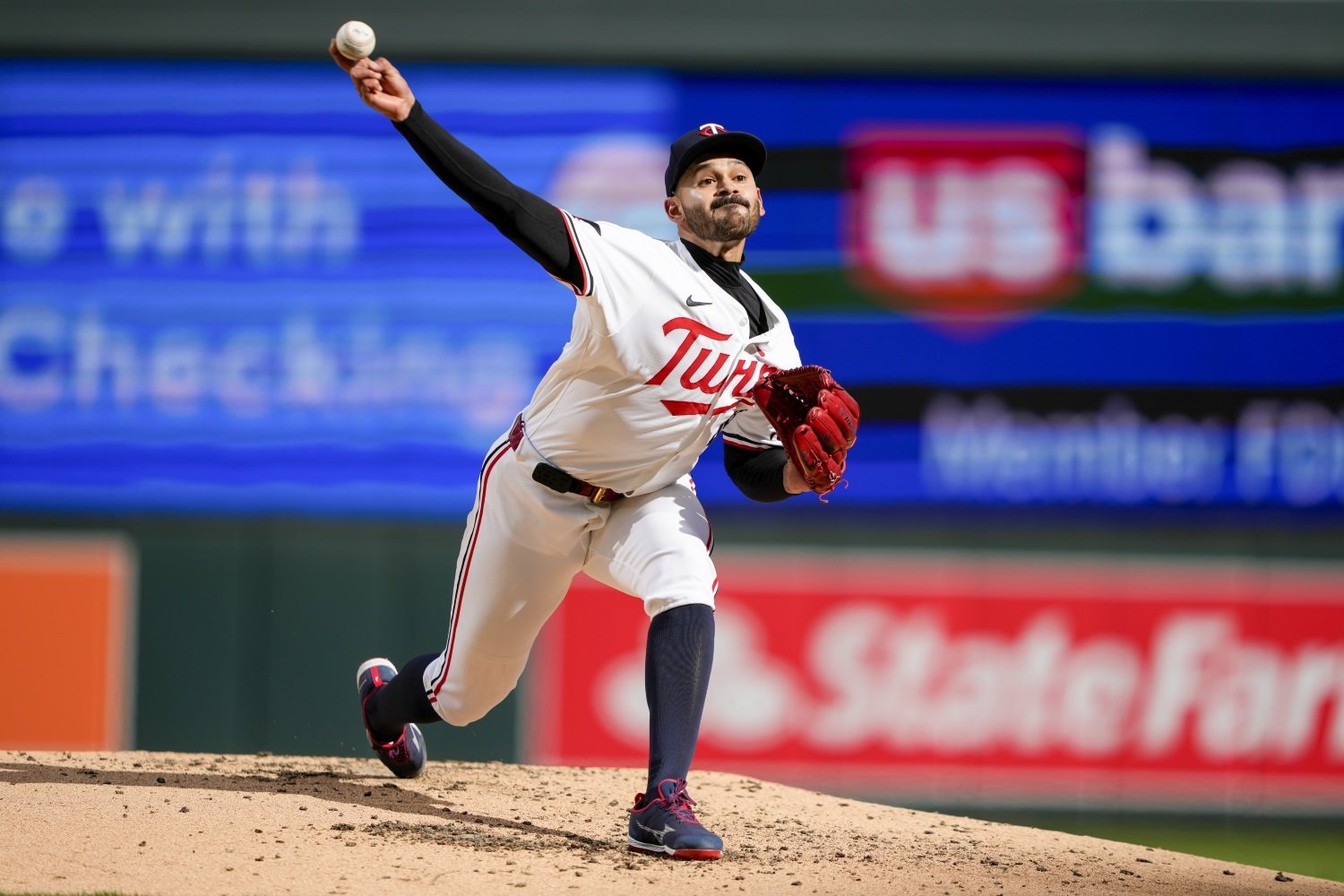
The Minnesota Twins enter this offseason facing a familiar but unsettling question: how low will ownership let payroll go? After consecutive disappointing seasons and amid shrinking local TV revenues, the front office is navigating a financial landscape far different from the one that fueled their 2023 postseason run. The organization has long operated with a mid-market mindset, but the tone this winter suggests a more dramatic pullback could be on the way.
Across baseball, payroll flexibility has become a buzzword, often serving as a polite way of saying “spend less.” For the Twins, that ‘flexibility’ could turn into a euphemism for rigidity and constraint. With ownership hinting at reductions and early projections showing significant cuts, fans are bracing for a quieter offseason. While Minnesota has never been a major spender, it’s rare for the franchise to face such visible belt-tightening following years of on-field progress and roster investment.
FanGraphs’s Jon Becker, who manages the site’s Roster Resource payroll pages, recently outlined just how far things could theoretically fall. His analysis underscores a point many around baseball have suspected: while the Twins aren’t headed for a complete teardown, ownership’s directive could push the payroll into uncomfortable territory.
The Current Payroll Picture
FanGraphs currently projects Minnesota’s payroll at roughly $95 million, a steep decline from last year’s $136 million. That total already represents a significant step back for a team that, just a year ago, looked like a division favorite. Even so, Becker noted, “In theory, you can get through a season with a payroll of, say, $30–40 million if you were committed to cheapness, though of course they’re not going to actually go that low.”
Minnesota’s only guaranteed contracts are tied to Pablo López ($21.5 million) and Byron Buxton ($15 million). MLB Trade Rumors has also posted the team’s projected arbitration salaries, which are obviously tied to the team’s bottom line. Ryan Jeffers ($6.6 million), Joe Ryan ($5.8 million), Trevor Larnach ($4.7 million), Bailey Ober ($4.6 million), and Royce Lewis ($3 million) are the highest projected arbitration salaries. Out of this group, Larnach is the lone player who is a non-tender candidate.
Non-Tender and Option Decisions
If Minnesota truly wanted to operate on a bare-bones budget, additional trimming would be possible. The current projection doesn’t include decisions on players like Justin Topa, who could have his option picked up or go through arbitration, but it paints a clear picture of contraction. The Twins need bullpen arms, so it seems likely for Topa to be on the team in some capacity.
Becker also mentioned that non-tendering likely candidates like Michael Tonkin, Génesis Cabrera, and Anthony Misiewicz would be part of the equation. Those decisions alone could save an estimated $4.5 million and open spots for younger, league-minimum players. The Twins have shown a willingness in recent years to churn through low-cost relievers, so cutting loose fringe bullpen pieces would fit their recent operational pattern.
Moving Core Players
Even with those non-tenders, Becker suggested that Minnesota could push the payroll even lower.
“They very well could get under $110 million even if Buxton insists on staying, by moving López, Jeffers, and Ryan,” he said. Trading any of those players would dramatically reshape the roster and send a clear message that a reset is underway. López remains under team control for two seasons, and Ryan and Jeffers are both controllable contributors who would bring back strong returns. Those types of moves would prioritize long-term flexibility and prospect depth over immediate competitiveness.
Reviewing the Deadline Deals
Becker also pointed out why a total teardown might not make much sense.
“I’m not sure I expect that much of a blow-up, since they got a lot of MLB-ready guys in the trades (at the deadline),” he wrote. At the 2025 deadline, Minnesota focused on acquiring players who could contribute soon, not just prospects for the distant future.
Many of the players the Twins acquired were at Double A or higher, including Hendry Mendez, Mick Abel, Ryan Gallagher, Sam Armstrong, Taj Bradley, James Outman, Kendry Rojas and Alan Roden. That approach signaled the organization’s intent to remain somewhat competitive while managing financial realities. It could allow them to trim payroll while maintaining a respectable big-league roster filled with younger, cost-controlled talent.
As the winter unfolds, the Twins front office faces a delicate balance between budgetary restraint and fielding a credible team. The direction ownership takes will reveal whether this is a one-year reset, or the start of a longer austerity era in Minnesota baseball.
What is your estimate for next year’s payroll? Leave a comment and start the discussion.