
Quick Read
The Diamondbacks are motivated to trade Ketel Marte before he gains full no-trade rights in mid-April 2026.Marte hit 28 home runs with an .893 OPS in 2025, earning All-Star and Silver Slugger honors.Arizona’s main goal is to acquire top-tier pitching, as the rotation is thin after losing key starters.Trading Marte would reshape the Diamondbacks’ core and could impact clubhouse chemistry.Potential trade partners like the Cleveland Guardians have the prospects needed but face contract hurdles.Diamondbacks Weigh Ketel Marte’s Future Amid Trade Speculation
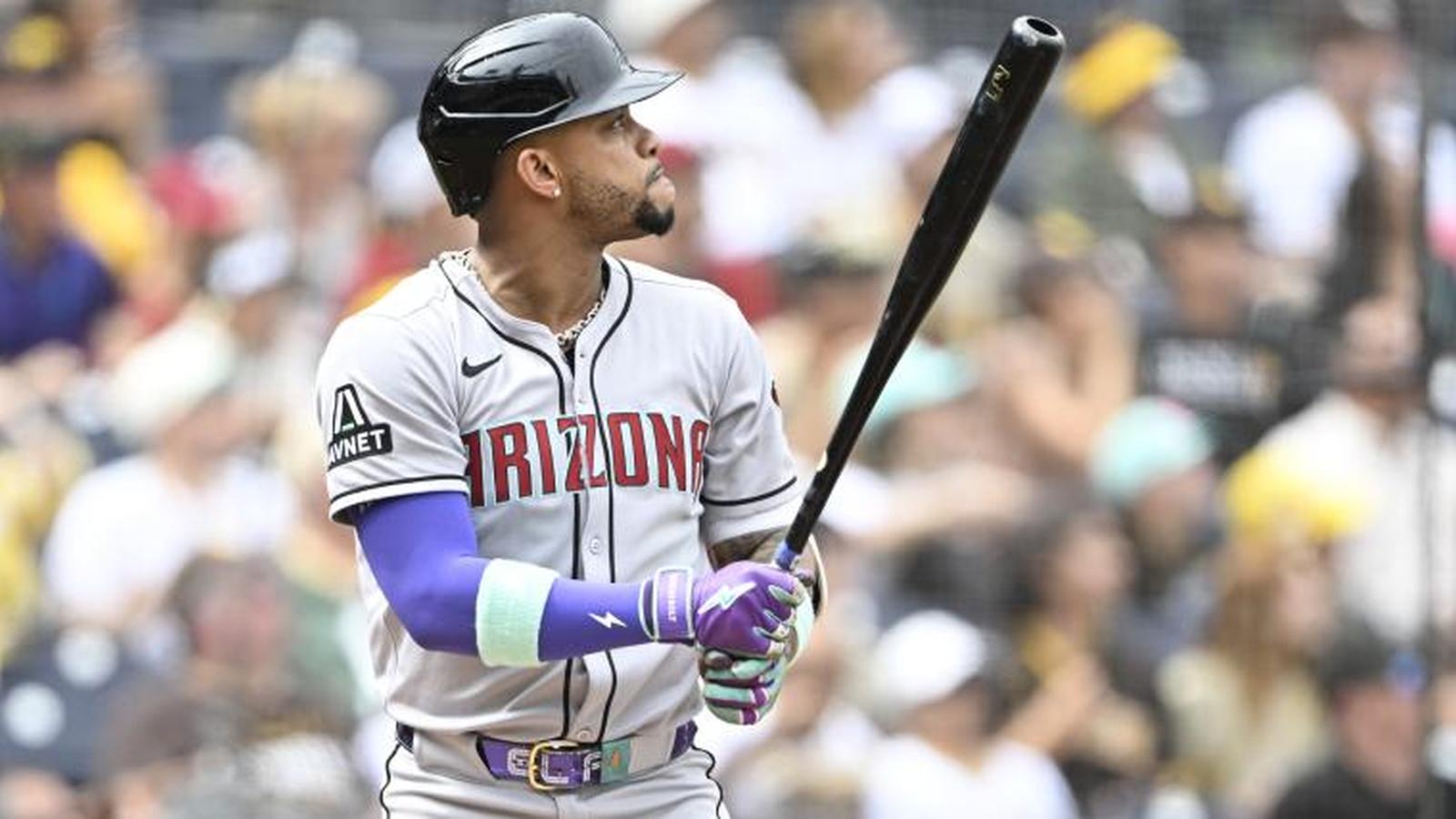
For the Arizona Diamondbacks, this offseason isn’t just about tweaking the roster—it’s about making a franchise-defining decision. The question on everyone’s mind: will they trade Ketel Marte, the longest-tenured D-back and the heart of their lineup?
According to USA Today’s Bob Nightengale and reports circulating from Arizona Sports and The Sporting News, Arizona is motivated to consider offers for Marte. The All-Star second baseman, who just wrapped up a season worthy of MVP consideration, is sitting on a contract with $71 million remaining through 2030. If he isn’t moved by mid-April 2026, he’ll acquire 10-and-5 rights—meaning ten years in MLB and five with the same team—which grants him a full no-trade clause. In short, the window to act is closing fast.
Why Would Arizona Trade Its Star?
At first glance, the idea seems almost unthinkable. Marte hit .283 with 28 home runs and an .893 OPS in 2025, earning another All-Star nod and a Silver Slugger award. He’s not only a statistical powerhouse but also a clubhouse leader. Just two years ago, he helped guide Arizona to the World Series with a postseason performance that’s already entered franchise lore.
But the calculus is changing. Arizona’s payroll is projected to dip—though the team insists it will remain competitive. More pressing, the rotation is in flux: Zac Gallen has left via free agency, Merrill Kelly was traded, and Corbin Burnes is rehabbing from Tommy John surgery with hopes of returning by mid-season. General manager Mike Hazen has repeatedly stressed the need for “run prevention”—code for pitching and defense—after two years of leading the league in scoring but missing the playoffs both times.
Trading Marte could be the most direct route to acquiring top-tier, MLB-ready pitching, a resource that’s currently in short supply for the Diamondbacks. But it’s a risky move. Replacing a player of his caliber is notoriously difficult, and any deal would need to bring back a haul that justifies losing the team’s offensive anchor.
Inside the Clubhouse: Tensions and Transparency
No major decision happens in a vacuum. This past season, Marte’s requests for days off reportedly irked some within the organization. The issue came to a head when he missed the first series after the All-Star break, traveling to the Dominican Republic after his home in Arizona was burglarized—a trip the team reportedly didn’t know about until after the fact. Marte publicly apologized, acknowledging his frustration and expressing regret to his teammates and supporters.
For Hazen, these moments are part of the reality of managing a team of superstars. “You win with superstars in this league,” he remarked in August, emphasizing that no roster is ever perfect. Still, such incidents can influence the front office’s assessment of the team’s chemistry and direction.
Trade Market Realities: Who Could Make a Move?
If Arizona decides to put Marte on the block, he instantly becomes the most potent bat available. Teams like the Cleveland Guardians have been floated as ideal trade partners by analysts, including Covering the Corner. The Guardians, for instance, are desperate to pair another star with Jose Ramirez and could offer elite prospects such as Travis Bazzana. But there are obstacles: Marte’s contract, while not outrageous for a player of his caliber, is significant for smaller-market clubs. And once he gains his 10-and-5 rights, the field of possible suitors shrinks dramatically.
Marte’s advanced metrics paint the picture of a player who remains elite even as he enters his mid-thirties. His 2025 season saw career-best marks in exit velocity, hard-hit rate, and plate discipline. Defensively, he’s been well above average, contributing both with the glove and the bat. Analysts argue that Marte could remain a 4-win player for several more years—making him a rare, valuable asset.
The Diamondbacks’ Core: Who’s Staying?
Arizona’s offensive foundation—Marte, Corbin Carroll, Geraldo Perdomo, and Gabriel Moreno—remains intact for now, all under team control for multiple seasons. Young talents like Blaze Alexander and Jordan Lawlar are pushing for playing time, and prospects such as Ryan Waldschmidt and Tommy Troy are knocking on the door. However, lineup depth is a concern, especially at first base and in the outfield, with Lourdes Gurriel Jr. sidelined by a torn ACL.
The challenge for Arizona: can they remain competitive if they trade Marte for pitching help? Or does keeping the core intact and relying on internal pitching development offer a better path back to postseason contention?
Timing Is Everything
The urgency behind Marte’s possible trade is real. Once he earns his full no-trade rights, Arizona loses flexibility and negotiating power. Any team interested in acquiring him will be looking to strike before that deadline, knowing that the price—and the complexity—will only increase.
Ultimately, the Diamondbacks are caught between two competing priorities: fielding a competitive team now and building a sustainable winner for the future. The decision to trade or keep Marte will send a message not just to fans, but to the entire clubhouse about the team’s direction and ambitions.
What Happens Next?
As rumors swirl and the offseason unfolds, one thing is certain: Ketel Marte’s situation will define Arizona’s winter. Whether he stays or goes, the ripple effects will be felt across the league—affecting the Diamondbacks’ lineup, their pitching staff, and their identity as a franchise. For now, fans and analysts alike can only watch and wonder: will Arizona take the leap, or hold tight to their star?
Arizona faces a classic dilemma: the need for pitching and future flexibility pushes them toward trading a franchise icon, yet the loss of Ketel Marte risks fracturing the core that made them contenders. The front office must weigh short-term pain against long-term gain, knowing that whichever path they choose will reshape the team’s identity for years to come.