
Cincinnati Reds legend Eric Davis is making a difference to zap some deadly statistics.More than 53,000 Americans will die this year from colorectal cancer. That’s more than the capacity of Great American Ball Park. Davis is a cancer survivor delivering an old message.It was a play at the plate back in 1997 that got the ball rolling. “I ran into the catcher and had a play at the plate in Cleveland. I felt some pain in my side and lower back,” Davis said.Davis ended up in the hospital for more than a week. He was young and in such good shape, doctors were thrown a curveball and misdiagnosed him.Eric went for a second opinion at Baltimore’s Johns Hopkins Hospital. The news wasn’t good.”He told me I had a tumor the size of a grapefruit,” Davis said. At 34, it was colorectal cancer.The tumor was removed and after 32 weeks of chemo, Davis went back to playing. A collision with a catcher helped him find the hidden danger, allowing him the chance to talk about it all these years later as a member of a new team.He’s partnered with Northern Kentucky’s St. Elizabeth Healthcare for the last four years. Among his teammates is Douglas Flora, the Executive Medical Director of Oncology at St. E’s.”Help me find you in the early pages of your story, not in the middle or end and that’s where we can make a meaningful difference together,” Flora said.With cases of colorectal cancer in people younger than 50 on a steady rise since the 1990s, Flora is begging people to take advantage of modern medicine. Insurance now covers the cost of a colonoscopy at age 45. If there’s family history, you’re advised to get screened 10 years before a relative was diagnosed.So, if your mom or dad had it at age 48, you can get your colonoscopy 10 years earlier at 38. Dr. Flora says take advantage. “If they find a colon polyp, it’s removed and you’re done. They’ve cured your thing that might have haunted you later and spared you all that regret. When my patients walk into the room and hit their head and say I wish I would have done it. I know I needed to do it, I should have done it, and I didn’t,” Flora said.That’s why Eric Davis has been telling his cancer story for nearly three decades. “Early detection saves lives. It’s a 97-98% curable cancer if detected early enough. It’s the number one deadliest cancer if it’s not detected early enough,” he said.He’s hoping his off the field mission will give you a chance to tell your story for years to come as well.In the meantime, Flora says your body will give you signs, including bleeding from below, abdominal pain, weight loss or unexpected fatigue.
CINCINNATI —
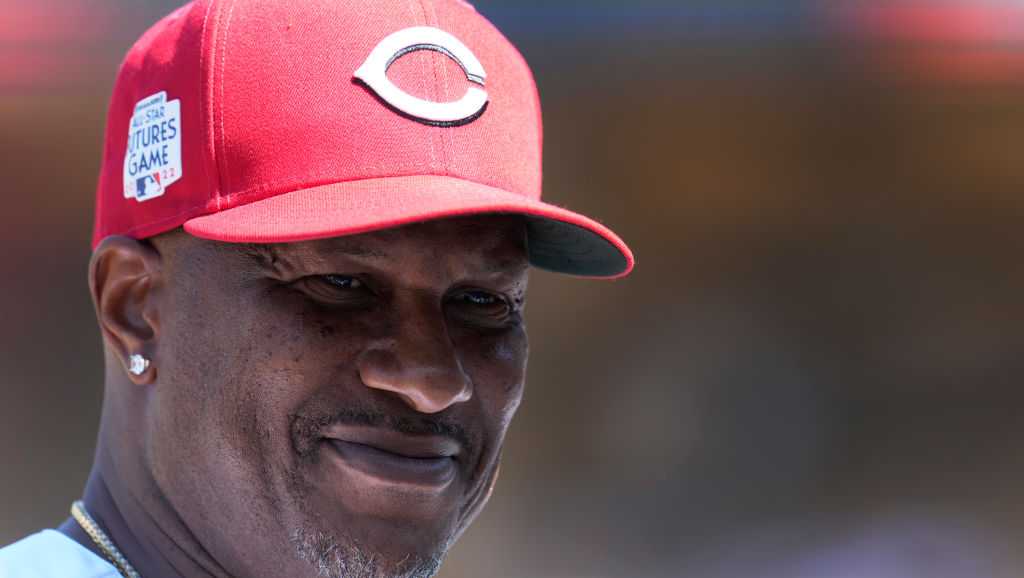
Cincinnati Reds legend Eric Davis is making a difference to zap some deadly statistics.
More than 53,000 Americans will die this year from colorectal cancer. That’s more than the capacity of Great American Ball Park. Davis is a cancer survivor delivering an old message.
It was a play at the plate back in 1997 that got the ball rolling.
“I ran into the catcher and had a play at the plate in Cleveland. I felt some pain in my side and lower back,” Davis said.
Davis ended up in the hospital for more than a week. He was young and in such good shape, doctors were thrown a curveball and misdiagnosed him.
Eric went for a second opinion at Baltimore’s Johns Hopkins Hospital. The news wasn’t good.
“He told me I had a tumor the size of a grapefruit,” Davis said. At 34, it was colorectal cancer.
The tumor was removed and after 32 weeks of chemo, Davis went back to playing. A collision with a catcher helped him find the hidden danger, allowing him the chance to talk about it all these years later as a member of a new team.
He’s partnered with Northern Kentucky’s St. Elizabeth Healthcare for the last four years. Among his teammates is Douglas Flora, the Executive Medical Director of Oncology at St. E’s.
“Help me find you in the early pages of your story, not in the middle or end and that’s where we can make a meaningful difference together,” Flora said.
With cases of colorectal cancer in people younger than 50 on a steady rise since the 1990s, Flora is begging people to take advantage of modern medicine.
Insurance now covers the cost of a colonoscopy at age 45. If there’s family history, you’re advised to get screened 10 years before a relative was diagnosed.
So, if your mom or dad had it at age 48, you can get your colonoscopy 10 years earlier at 38. Dr. Flora says take advantage.
“If they find a colon polyp, it’s removed and you’re done. They’ve cured your thing that might have haunted you later and spared you all that regret. When my patients walk into the room and hit their head and say I wish I would have done it. I know I needed to do it, I should have done it, and I didn’t,” Flora said.
That’s why Eric Davis has been telling his cancer story for nearly three decades.
“Early detection saves lives. It’s a 97-98% curable cancer if detected early enough. It’s the number one deadliest cancer if it’s not detected early enough,” he said.
He’s hoping his off the field mission will give you a chance to tell your story for years to come as well.
In the meantime, Flora says your body will give you signs, including bleeding from below, abdominal pain, weight loss or unexpected fatigue.