
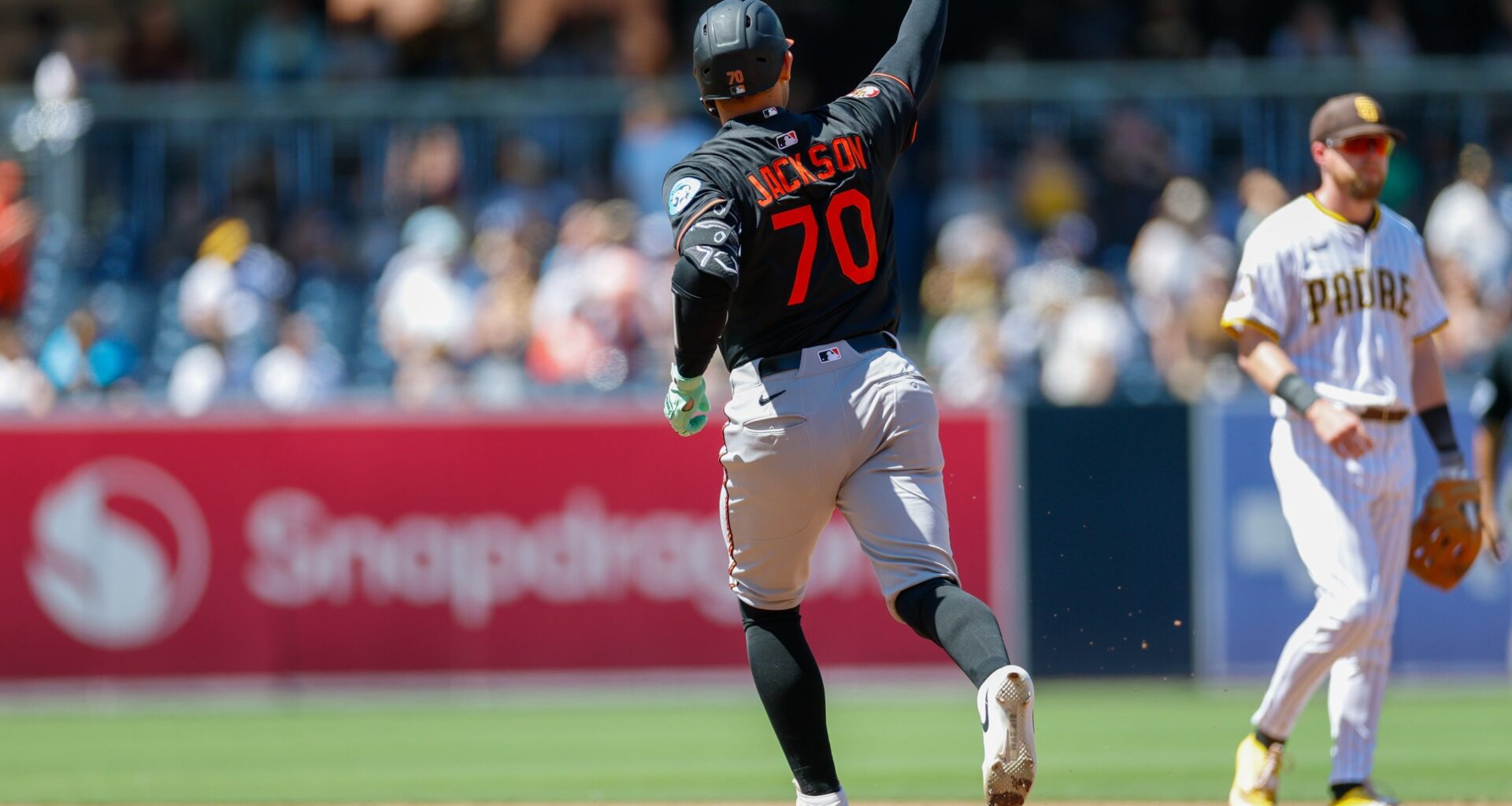
The Minnesota Twins’ acquisition of Alex Jackson did not spark much excitement, and that reaction is understandable. Backup catcher signings rarely generate buzz. However, once you look into the underlying data, the move starts to look more interesting. There are several indicators that suggest Jackson could be a legitimately useful depth piece with room to improve.
In his limited 2025 sample, Jackson looked like a different hitter. The changes were not just in the box score. They showed up in the underlying traits the Twins tend to value.
His average bat speed jumped from 74.4 mph to 76.1 mph, placing him near Matt Wallner’s 76.6 mph. His fast-swing rate, which measures swings at 75 mph or higher, increased from 46.9 percent to 61.7 percent. Those types of changes usually correlate with more impactful contact.
That improvement showed up in his batted-ball profile:
+ Barrel rate: 9.1 percent to 14.8 percent
+ Pulled balls in the air: 17 percent to 24.1 percent
These results line up with the mechanical adjustments he made:
+ Open stance increased from 8 degrees to 14 degrees
+ Wider base from 35.5 inches to 36.5 inches
+ More pull-side attack angle from 5 degrees to 9 degrees
These are not cosmetic changes. They are meaningful adjustments designed to access more loft, more damage out front, and more consistent pull-side lift. Jackson’s swing decisions and contact rate still need refinement, but he did make one positive improvement by cutting his chase rate from 36.6 percent to 29.0 percent.
made some adjustments:
+ opened stance (8 degrees➡️14 degrees)
+ widened stance (35.5 ➡️ 36.5)
+ attacking out front with pull intent (5 degrees ➡️ 9 degrees)
+ pulled ball in air more (17%➡️24.1%) pic.twitter.com/um5zzpxvr6
— parker hageman (@HagemanParker) November 21, 2025
Jackson’s progress at the plate is only part of the story. His defensive work in limited time was encouraging as well.
+ 3 framing runs
+ 2 caught stealing runs
His throwing strength stands out. Jackson averaged 83.4 mph on throws, which ranked sixth best in baseball. Christian Vázquez, for comparison, averaged 77 mph but paired that with an elite 0.59 second exchange. Jackson does not have that kind of transfer speed, but he possesses the raw arm strength that limits running opportunities.
With solid exchanges and above-average carry, he should help the Twins manage the increased running game trend across MLB.
No one should expect Alex Jackson to become a breakout star. That is not the role the Twins need him to fill. They need a backup who can receive a staff, manage the running game, produce occasional pull-side power, and trend toward better overall decisions at the plate.
The available data suggests Jackson can check those boxes. His improvements in swing intent, bat speed, and discipline are not minor. His defensive metrics are similarly encouraging.
This move may not be flashy. It is the type of depth addition that tends to look more meaningful as the season wears on. Based on what he showed in limited opportunities, the Twins may have identified a backup catcher who is quietly moving in the right direction.