
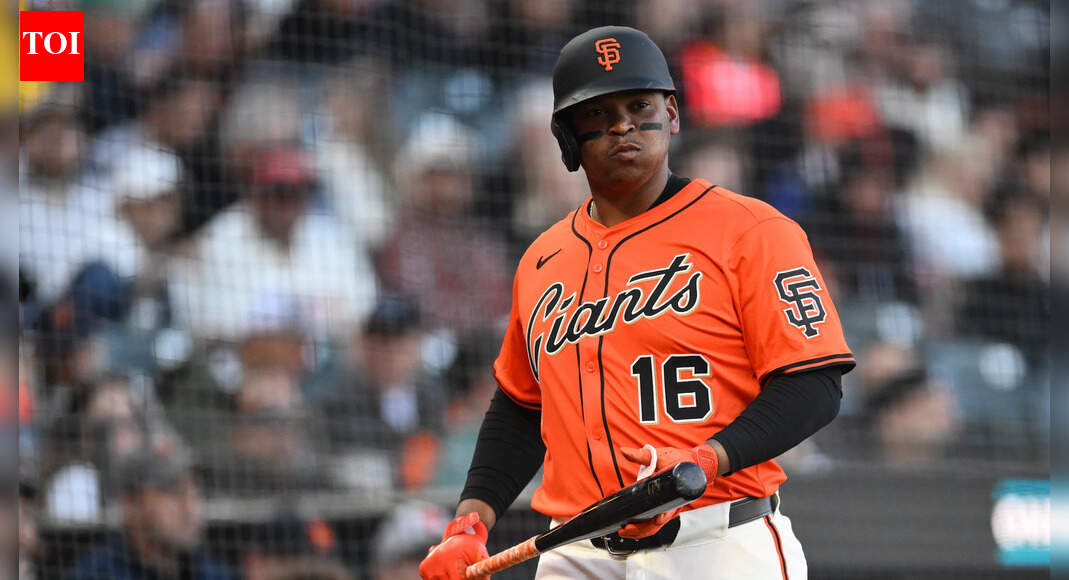
 San Francisco Giants designated hitter Rafael Devers (16) (Image via Imagn) The MLB offseason is seeing its fair share of trade speculation, with one particular rumor gaining a lot of traction. The San Francisco Giants might be making a serious push to trade for three-time MVP Mike Trout. As franchises look to reset, retool, or reload for 2026, Trout’s name has resurfaced as a potential centerpiece in a rare blockbuster that could redefine multiple organizations at once. Fans, insiders, and executives alike are weighing the massive financial and competitive implications of such a deal.With the Angels hinting at long-term restructuring and the San Francisco Giants searching for a franchise-altering superstar, the timing feels more realistic than in past offseasons. What follows is a full breakdown of how the trade could materialize, what it offers each party, and how Mike Trout’s numbers and the Giants’ roster demographics set the stage for a potential seismic shift.
Trade Framework and Contract Logistics
A Trout trade is complicated, primarily because he remains under contract through 2030 with approximately $213 million remaining at $35.5 million per season. For the San Francisco Giants to pull off this move, they would need to absorb most or all of that money. In return, the Angels would expect a package centered around top prospects – names like Wade Meckler and Trent Harris have surfaced – along with a major-league player such as Jorge Soler, whose $14 million salary for 2025-2026 could offset part of the financial load.
Potential Trade Structure

Mike Trout (Image via Getty)
• Giants Receive: Mike Trout (DH/OF, contract through 2030)• Angels Receive: Top prospects, Jorge Soler, and potential salary relief
Benefits for San Francisco Giants, Angels, and Mike Trout
For the San Francisco Giants, acquiring Mike Trout would bring their first generational superstar since Barry Bonds and Buster Posey. His elite on-base skills, power profile, and presence in the lineup would energize fans, boost ticket sales, and strengthen the franchise’s appeal to future free agents during a competitive window.For the Angels, moving Trout means shedding $213 million in future payroll, accelerating a rebuild, and creating opportunities for younger players without relying on an aging star with durability concerns.For Mike Trout, San Francisco offers a fresh start in a less intense market than New York or Philadelphia, plus a roster better built for postseason contention than the recent Angels lineups.
Pros, Cons, and Risk Profile
The San Francisco Giants gain immediate star impact but assume major financial risk if Trout’s injuries persist or production dips. The Angels risk alienating fans, while Trout must approve any move via his no-trade clause and could still face mediocrity if the Giants don’t continue building around him.
Mike Trout Career Stats (Through 2025)
YearAgeGamesBAOBPSLGHRRBIOPSWAR20213036.333.466.6248181.0902.1202231119.283.369.6304080.9996.320233282.263.369.5221843.8912.820243354.267.373.5281530.9012.020253470*.272.370.5402249.9102.8(*projected partial season)
Giants Key 2025 Roster Demographics
PlayerAgePosition2025 StatusLogan Webb28SPTeam controlPatrick Bailey26CTeam controlLaMonte Wade Jr.301B/OFTeam controlJung Hoo Lee27OFRecent signingHeliot Ramos25OFEmerging prospectAlso read: MLB trade rumors: Los Angeles Dodgers predicted to not chase $102 Million New York Mets pitcher amid lingering Tanner Scott setbackOn paper, the San Francisco Giants benefit the most immediately, gaining the superstar needed to anchor a postseason push. The Angels gain long-term flexibility, while Mike Trout gets a chance at a competitive reset. The trade would be high-risk and high-reward – but undeniably monumental.