
The most obvious case of this was Willy Adames. While we see star players sign monstrous deals and take a bit of time to show up fairly often, it was a severe case for the highest paid free agent in the team’s history.
Up until June 9, Adames was one of the worst players in baseball, posting a 67 wRC+ and not even reaching the Mendoza line (.193). While he would eventually turn things around with a .848 OPS the rest of the year and become the first Giant to launch 30 home runs since Barry Bonds, it was over a third of the year where the franchise shortstop was abysmal at the plate.
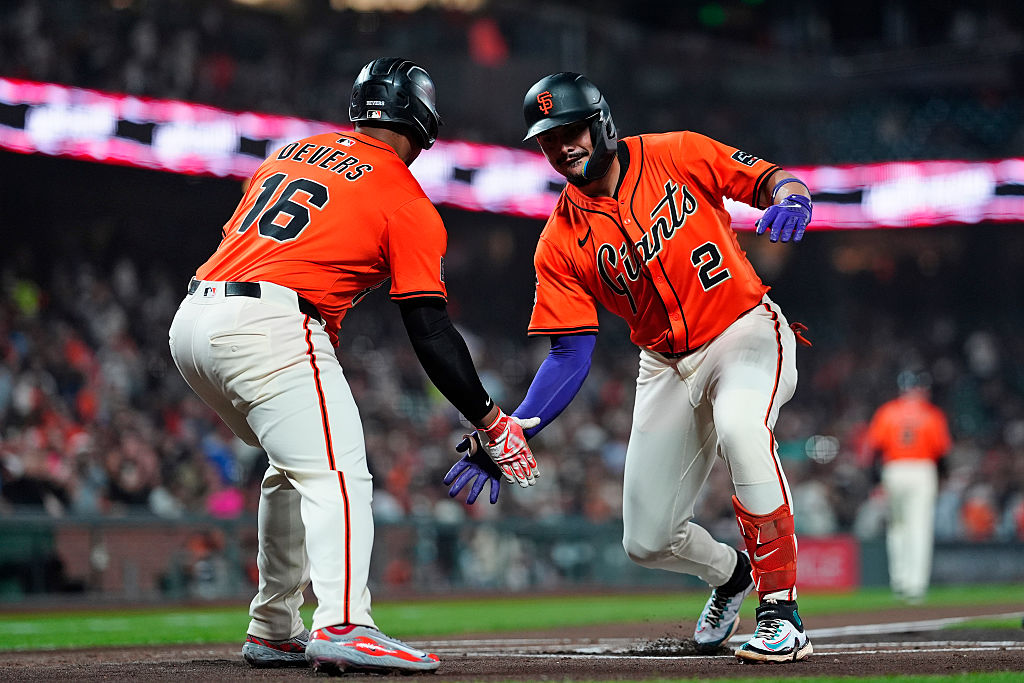
A similar situation happened with Rafael Devers, after Buster Posey shocked the world and traded for the 29-year-old masher. He was acquired on June 16 and from then until the end of July, he slashed just .219/.327/.365 with only four home runs.
Naturally, from August until the end of the season, he’d hold a 146 wRC+ with 16 home runs. It was a similar case for the majority of the Giants’ lineup.
Jung Hoo LeeOpening Day -> 5/16: 127 wRC+5/17 -> 9/28: 99 wRC+Patrick BaileyOpening Day -> 8/29: 58 wRC+8/30 -> 9/28: 58 wRC+Heliot RamosOpening Day -> 6/15: 132 wRC+6/16 -> 9/28: 87 wRC+Casey SchmittOpening Day -> 7/13: 113 wRC+7/14 -> 9/28: 89 wRC+
The entirety of the San Francisco’s lineup was made up of guys whose seasons were defined by hot and cold stretches. Heliot Ramos was an All-Star caliber bat in the first half, then fell off a cliff in the second. Patrick Bailey was the worst hitter in baseball until the last month of the year.
It’s runs like this that can’t happen if San Francisco wants any chance at contending in the near future. Surely, the organization will be hoping that full years from both Adames and Devers mixed with a few steps forward from young talent will push this offense to be far more consistent and into the top half of MLB.