
The 2025 MLB trade deadline will be remembered as one of the most dramatic in Twins history. Faced with a roster that hovered in the middle of the American League standings and weighed down by injuries and inconsistency, the front office chose to reset the roster. Big names were moved; prospects poured in; and fans spent the rest of the summer debating whether the Twins had waved a white flag or executed a savvy long-term play.
Now, with multiple months of returns and development to examine, we can revisit each trade with clearer judgment. Did the Twins win the 2025 deadline, or did they sow the seeds of regret? Below is a trade-by-trade look at the deadline that redefined the franchise.
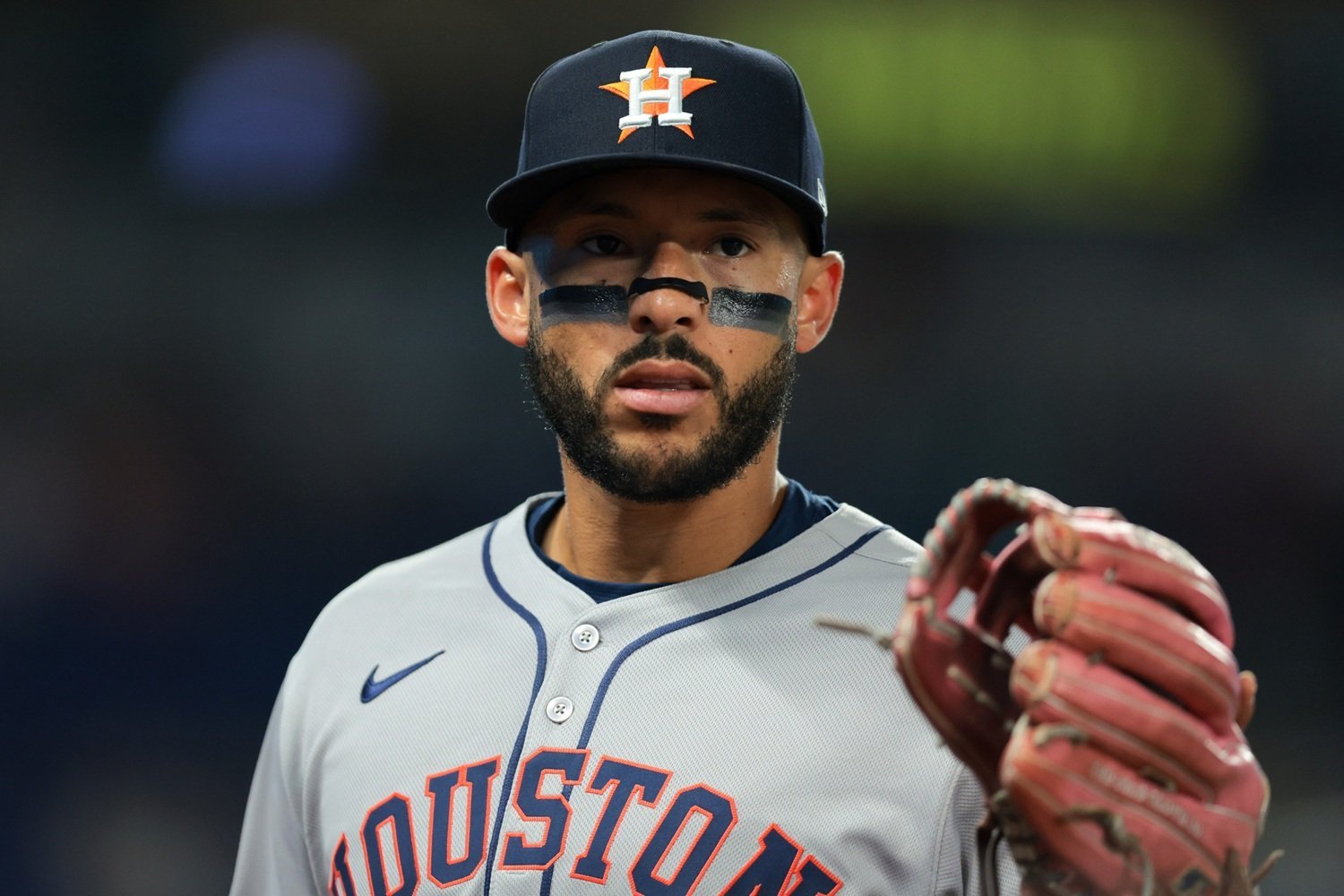
SS Carlos Correa to the Astros for RHP Matt Mikulski and $70 million in salary relief
This was the headline deal. Moving Correa was less about talent and more about financial flexibility, after uneven seasons with the Twins. Mikulski has already been released from the organization, but it was never about getting a player in return. This was a straight salary dump. Even if Correa found his footing again (pun intended) in Houston, the Twins were heading in a new direction, and their exceptionally expensive shortstop was out of the team’s long-term plans. It would have been great if the Twins had reinvested the savings into payroll for 2026, but it looks like the Pohlads could pocket the money, which makes it a loss.
Verdict: Loss
OF Harrison Bader to the Phillies for OF Hendry Mendez and RHP Geremy Villoria
Bader’s time in Minnesota was short and filled with streaks of strong defense and better-than-expected offense. He was on an expiring contract, and the Twins were able to cash him in for two intriguing prospects. Mendez posted a .891 OPS in the Arizona Fall League, after slashing .299/.399/.439 at Double A in 2025. Villoria is more of a wild card, since he is only 16 years old and spent the season in the Dominican Summer League (3.68 ERA, 1.23 WHIP). Bader helped Philadelphia in their playoff push, but this return fits Minnesota’s timeline.
Verdict: Win
RHP Jhoan Duran to the Phillies for C Eduardo Tait and RHP Mick Abel
Trading one of the most electric relievers in baseball was always going to sting. Minnesota hopes Abel rebounds well with the Twins development group. Tait was arguably the best prospect traded at the deadline, and looks like the team’s catcher of the future. He reached High-A Cedar Rapids as an 18-year-old and posted a .738 OPS in 2025. Duran continues to dominate, but the Twins badly needed upper-level pitching and long-term catching depth. This is a rare case where both sides benefited equally.
Verdict: Push
RHP Chris Paddack and RHP Randy Dobnak to the Tigers for C Enrique Jimenez
Paddack never found his footing after returning from surgery, and Dobnak’s role had evaporated. Paddack became a free agent this winter, and the Tigers declined Dobnak’s club option. Jimenez is improving as a defensive catcher and slashed .256/.371/.476, including a .983 OPS after the trade. Turning two expendable arms (and a bit of lingering monetary obligation) into a potential long-term option behind the plate is solid business, especially for a team that has struggled with catcher development in recent years.
Verdict: Win
UTL Willi Castro to the Cubs for RHP Ryan Gallagher and RHP Sam Armstrong
Castro’s versatility made him a popular Twin, but the club took the opportunity to turn a utility piece into two arms with a bit of upside. Gallagher reached Double A as a 22-year-old and posted a 4.07 ERA with a 1.21 WHIP in 121 2/3 innings. Armstrong’s slider grades out well on some models, so he could be a long-term bullpen arm. Neither is a sure thing, but these are the types of lottery tickets that can pay off.
Verdict: Win
LHP Danny Coulombe to the Rangers for LHP Garrett Horn
Coulombe was excellent in Minnesota, but the front office sold high on a veteran reliever with an expiring contract. Horn is an intriguing lefty who added velocity in 2025 while moving from rookie ball to High A. In 14 starts, he posted a 3.27 ERA with a 1.21 WHIP and a 32.5% strikeout rate. If he can’t make it as a starter, the Twins could develop him into a lefty weapon out of the bullpen.
Verdict: Win
RHP Griffin Jax to the Rays for RHP Taj Bradley
This was one of a few shockers. Jax had become the steady hand in the bullpen, but the Rays needed stability and offered up Bradley in return. Minnesota immediately moved Bradley into the starting rotation with the hope that a new organization could help him reclaim the command and confidence that made him a premium prospect. If he sticks in the rotation, the upside outweighs the loss of Jax, but that’s a big question at this point.
Verdict: Loss
RHP Brock Stewart to the Dodgers for OF James Outman
This seemed like a strange trade at the time. On paper, Stewart has more value, but his medicals are likely poor due to his long-term injury history. Stewart was a veteran with some upside, and the Dodgers were searching for bullpen help. However, he was limited to four appearances before injuries sidelined him again. Outman gives Minnesota a controllable outfielder, but he has minimal upside.
Verdict: Loss (for both teams)
RHP Louis Varland and Ty France to the Blue Jays for LHP Kendry Rojas and OF Alan Roden
For many fans, this was a tough pill to swallow. Varland had the Minnesota backstory and went on to be a key part of Toronto’s World Series run, including setting the MLB record for playoff pitching appearances. In return, the Twins received Rojas, a lefty with starter traits who could be a breakout prospect for the team next year. Roden is a contact-oriented outfielder with elite plate discipline (.423 OBP at Triple A). Both fit Minnesota’s emphasis on control and development. Rojas will provide long-term value, and that’s why this trade leans towards the Twins.
Verdict: Slight Win
So, Did the Twins Win the 2025 Deadline?
Surprisingly, yes. For a deadline that felt painful and symbolic of a step backward, the longer view shows a pattern of smart asset management and targeted upside hunting. Minnesota added pitching depth, athletic position players, and future roster flexibility. They gave up veterans who had plateaued or who fit better with contenders.
The 2025 deadline was not about winning the division that season. It was about strengthening the system and setting up a multi-year competitive window. Now that the early returns have arrived, the front office played the long game and is starting to see the benefits. The final verdict is that the Twins quietly won the 2025 deadline and positioned themselves for a more sustainable future—but that they could win it much more resoundingly by investing some of their financial savings in the 2026 club.
Do you agree with the verdicts on the above trades? Which trade do you wish the Twins had avoided? Leave a comment and start the discussion.