
Back in October, Charter, the telecom giant that acquired two Los Angeles-area regional sports networks after its acquisition of Time Warner Cable in 2016 — Spectrum SportsNet (home of the Lakers) and Spectrum SportsNet LA (home of the Dodgers) — hired The Raine Group to explore a sale of Spectrum SportsNet.
The reasoning is pretty simple. Like most other regional sports networks, the economics are becoming more troubled with each passing year as consumers continue to cut the cord. That’s perhaps doubly so with Spectrum SportsNet, which paid the Lakers nearly $200 million for local broadcast rights last season, about double what the New York Knicks received from MSG Network as the second-highest paid team in the NBA.
When news broke that Spectrum SportsNet was up for sale, it wasn’t exactly clear who would want to buy it. The network is hamstrung by an albatross of a rights deal that extends through 2037 and is completely out of whack with the financial realities of the regional sports network business. In fact, one industry source said flatly, “the only people [who] are going to buy it are people who are going to then turn around and go to the Lakers and say, ‘We can’t pay you this anymore.’”
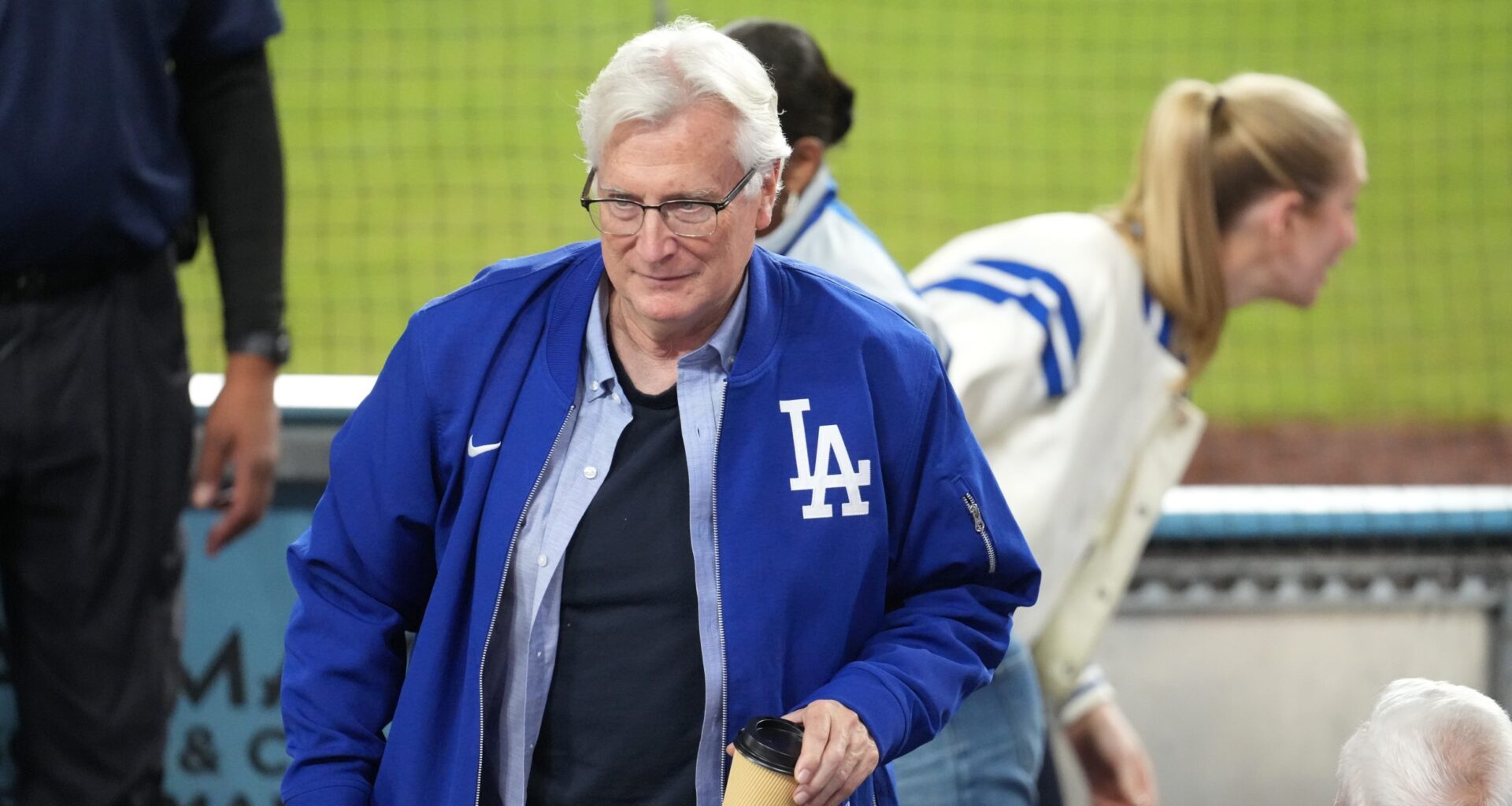
That would seem to discount the possibility that the Lakers simply buy the network for themselves. According to a new report by Puck sports correspondent John Ourand, new Lakers owner Mark Walter has “shown openness to taking ownership of Spectrum SportsNet away from Charter.”
Why? There are perhaps some synergistic reasons. Walter, who also owns the Dodgers (a team also sporting a ludicrously outsized local rights fee of $334 million per year through 2038), has “expressed interest in a deal that would bring both teams’ networks under his umbrella.” This would benefit Charter as well, which would be able to offload both enormous burdens from its balance sheet, rather than just one. Prior reports suggest that Charter itself would need to declare bankruptcy if it ever wanted to get out of its Dodgers agreement, so the opportunity to sell both moribund assets at the same time is surely an attractive prospect.
Of course, any deal would have to acknowledge the financial sacrifice on the part of Walter and his two teams. “Any deal to buy these R.S.N.s would have to include a subsidy payment from Charter that would cover the expected losses of the R.S.N.s over the next 12 years,” Ourand reports. “It’s not yet apparent whether Walter even really, truly wants to control these media rights. But if he shows any serious inclination, there’s a deal to be had, and a seller in the barrel.”