
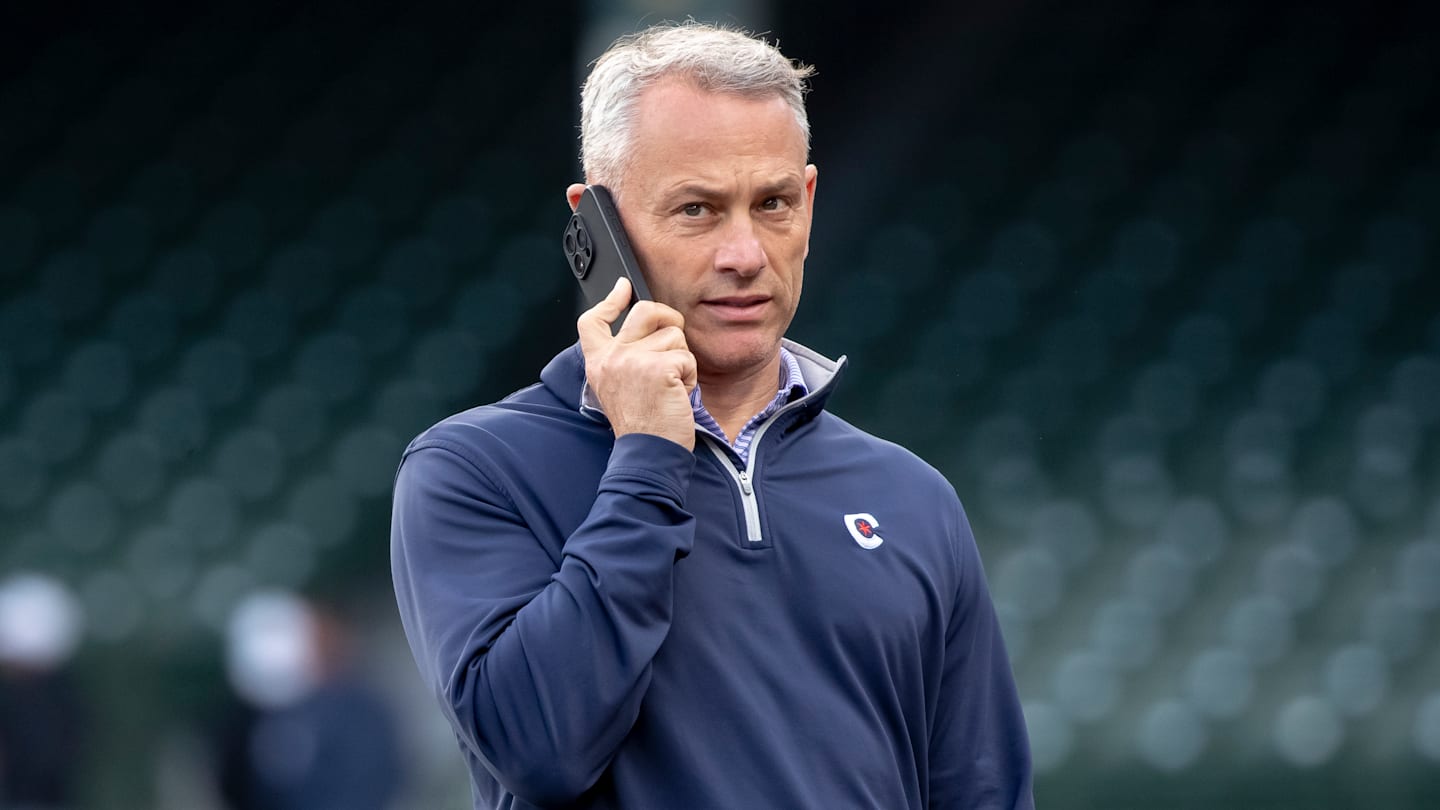
In a tradition as old as time, whenever the Chicago Cubs miss out on a free-agent target, and money is the primary reason why, Bruce Levine is among the first voices to defend the team’s ownership. Appearing on 670 The Score on Thursday morning, Levine provided an update on how much money the Cubs will be adding to their payroll for 2026.
The MLB insider reported that he’s been told the Cubs are looking to add between “$50 million and $60 million” to their payroll for the 2026 season. First and foremost, it needs to be stressed that this is money added throughout the duration of the 2026 season.
In other words, don’t expect the Cubs to spend $60 million this winter alone. The Cubs have proven consistent in leaving space for in-season moves, so the number Levine provided likely isn’t what will be spent before Opening Day.
The Cubs have $50 million to $60 million more to add to their 2026 payroll, @MLBBruceLevine‘s sources told him.
“There’s that flexibility in there,” he says. pic.twitter.com/lbEIVJwpZP
— 670 The Score (@670TheScore) December 4, 2025Latest Cubs’ 2026 payroll update doesn’t take into account the reality of the situation.
Levine’s update also lacks some context of what has already happened this offseason. Shota Imanaga accepting the Cubs’ qualifying offer left the team with nearly $52 million in space before reaching the first level of the CBT. In other words, there is the “between $50 million and $60 million” amount Levine was told by a source.
But we can’t stop there. Phil Maton’s two-year deal, worth $14.5 million, needs to be factored into that amount. The deal carries an AAV of $7.25 million, lowering the amount of space the Cubs have from $52 million to about $45 million. Factoring in the in-season flexibility, the number is likely closer to $35 million in terms of new money the Cubs are looking to add this offseason.
This is all operating under the assumption that the Cubs are trying to stay below the luxury tax in 2026. If they are willing to go over, the higher end of Levine’s update, $60 million, would be plausible–and push the space available this offseason from around $35 million to closer to $43 million. Though if the Cubs are going to go over, it wouldn’t make them for them to just barely go over, especially since they didn’t pay the luxury tax last season.
Regardless, the Cubs have a healthy amount available to spend this offseason, and they have even cleaner books after 2026. Regardless of what the future holds with the expiring CBA, there isn’t much defense the Cubs can use for inactivity this winter. Unless the Marquee Sports Network layoffs are a sign of a crisis for the Cubs’ baseball operations.