
A couple weeks ago, Jake Mailhot of FanGraphs presented the site’s very preliminary power rankings for the 2026 MLB season, using “an elegant ranking format that measures teams’ relative strength and is very reactive to recent performance.” The idea was to provide a benchmark on where each roster stands heading into the most active stretch of the offseason.
Many Twins fans (including myself) were downright shocked to see Minnesota ranked 12th on the list with a projected record of 82-80. Obviously that’s nothing to write home about, but it’s roughly 10 rankings slots and 10 wins higher than I have set my own expectations personally. “Fringe playoff contender” feels a lot more like a best-case scenario to me than a median outcome. But maybe I’m being too harsh?
To be clear, these types of predictive forecasts and rankings aren’t necessarily all that meaningful. The Twins have repeatedly fallen short of their projections from FanGraphs, including by an MLB-high 14 wins this past season. But, as Aaron Gleeman notes at The Athletic, these projections can “provide useful league-wide and narrative-free context” when assessing the club’s relative strength. In other words, objective data like this can help us get out of our own heads.
So let’s take a closer look. Why does a system like this one view the Twins more favorably than many fans might? And further, if we treat the premise as valid — that Minnesota enters this offseason as a .500-ish team with room to grow — how much should that insight guide the front office’s approach?
A proven talent nucleus remains in place (for now)
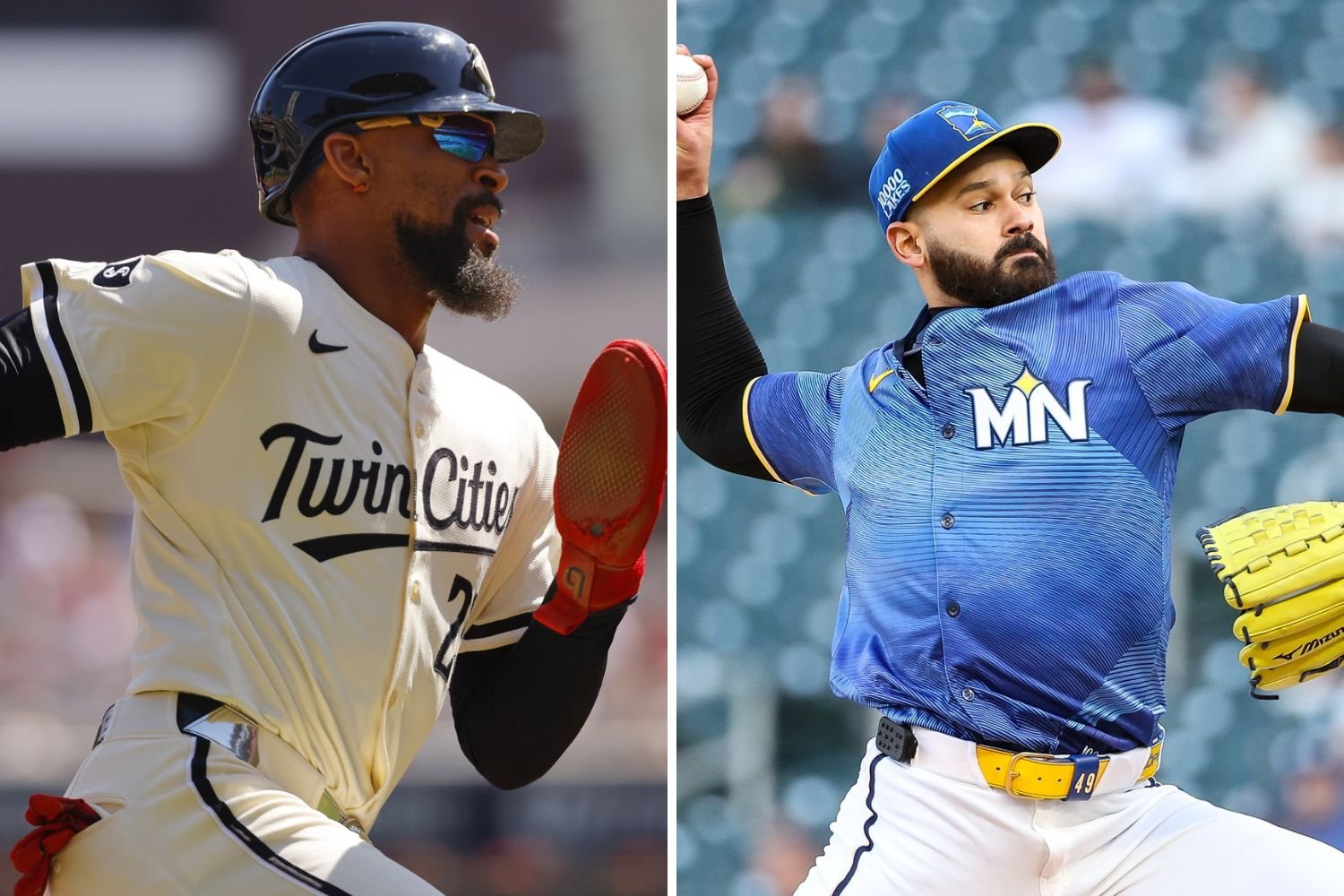
I find it easy to get lost in the disposable assets littering the Twins’ 40-man roster, and the massive question marks surrounding guys like Royce Lewis and Brooks Lee. But what this FanGraphs ranking really brings to light is the value of Minnesota’s remaining contingent of established star talent. Few other teams can boast a core trio matching the caliber of Byron Buxton, Pablo Lopez and Joe Ryan. It helps to have your best players at positions like center field and starting pitcher, where impact is maximized.
Of course, all three have seen their names bandied about in trade rumors. The concentration of projected value in these players alone underscores how much the team’s fortunes will be affected if they deal one or more — presuming they aren’t getting back similar present-day value, which is a tough needle to thread.
ESPN’s own projections view the Twins a bit less favorably, but still not terribly, at 17th in the majors. “If the Twins’ roster trends even younger and cheaper,” writes Bradford Doolittle, “this ranking will tumble accordingly.”
Projections are more about form than function
Does a model like FanGraphs account specifically for the fact that the Twins currently have no viable late-inning relievers? Not really. It just sees an overall pitching staff that is undeniably deep on quality, and assumes the logistics will work themselves out.
In real life, we know it’s not that simple. You’re just not going to win without at least a decent bullpen and right now that’s the most difficult gap to envision getting filled. The Twins have so many late-game roles to address and so little to work with. Even if you assume a couple of immediately successful starter transitions, and a bounce-back year from Cole Sands, the Twins are still probably short of a dependable all-around unit.
Similarly, projection systems that are looking at raw performance forecasts might not account for the challenges posed by an overabundance of left-handed hitting corner outfielders. But maybe this example poses an opportunity: flipping one of their redundant bats for relief help from other rosters.
There’s work to be done
In the power rankings from FanGraphs, the Twins were listed above several larger market teams — Rangers, Cubs, Orioles, Astros, Giants, etc. — that are very likely to leapfrog them through a more aggressive course of action this offseason.
Unless the Twins surprise us by focusing more on adding that subtracting, they’re bound to fall behind in the hot-stove reshuffle. Admittedly I’ve found myself wondering whether it even makes sense to push much, given all they lost at the deadline last year and all the structural issues plaguing this roster. If the ESPN ranking (17th) is more accurate than the FanGraphs ranking (12th), is it even logical to try and keep pace with the lower-middle of the pack versus blowing it all up and supplementing the farm for future efforts?
These are the weighty questions hanging over the Twins and their front office as the Winter Meetings get rolling and the offseason action accelerates. Up to this point there has been little indication that Minnesota intends to lean into a competitive approach, aside from what Derek Falvey has positioned as wishful thinking at the mercy of ownership. But if you put any stock into the projection system from FanGraphs, it’s possible the Twins don’t have THAT much work to do in order to become a credible threat in 2026.