
The more the New York Yankees’ brass talks, the clearer it becomes that things are going to be tight this offseason. Words like budget, financial responsibility, taxes (luxury and to the city), and profit margins have been bandied about. That’s all swell, but the club has some serious holes.
That’s going to mean that Brian Cashman is going to have to get creative to solve the needs and stay within budget. Based on what we can reasonably assume, the Yankees’ payroll sits at about $255 million, counting Trent Grisham’s qualifying offer and projected arbitration salaries. Hal Steinbrenner’s line in the sand is likely the Cohen line, which will sit around $305 million. However, we need to leave some room for in-season incidentals. The Yankees’ 2025 Opening Day payroll was $288 million, so we can estimate that $290 million is the target number this winter.
That gives the club only about $35 million to work with, which means a big splash like reuniting with Cody Bellinger or importing Tatsuya Imai erases nearly all the free funds Brian Cashman has to work with. The Yankees need more than that, though. In addition to a left fielder and a starting pitcher, they need at least two relievers, a right-handed infielder, and a right-handed backup catcher.
Here’s a plan for how they could creatively fill those needs.
Five moves the Yankees can make to creatively solve all their needs on a budget5. Sign Austin Hays to play left field
The Yankees are heavily left-handed, especially in the outfield. With that, there’s a sense that Spencer Jones or, perhaps, Jasson Domínguez could be trade bait. If one of them is moved, how to the Yankees truly solve left field?
Forget Kyle Tucker, that’s a pipedream. Say goodbye to Cody Bellinger, too. Instead, the youngster who doesn’t get traded can roam left field in a timeshare with veteran Austin Hays.
Hays is a right-handed bat who has made a career of mashing lefties. He posted a .949 OPS versus southpaws in 2025, and owns a career .819 mark against them. Spotrac pegs his market value at $5.1 million, making him extremely affordable.
4. Trade for Joe Ryan or Freddy Peralta to fill the open rotation spot
A top-end starter in free agency will cost even more after Dylan Cease signed with the Blue Jays for about $30 million more than he was expected to get. The Yankees simply can’t afford those prices and still solve their other needs, so it’s off to the trade market they go.
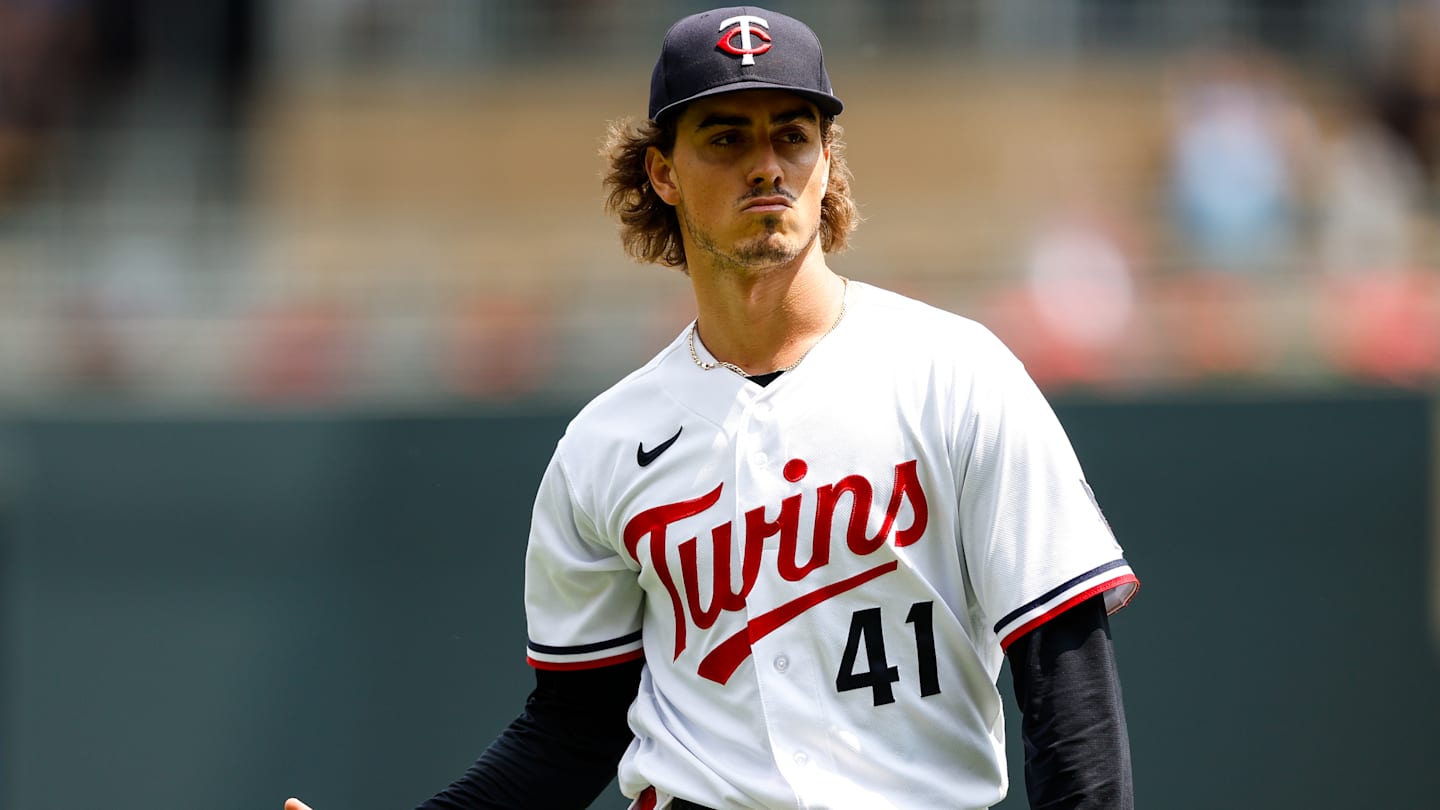
With a package headlined by either Jones or Domínguez, they can look to engage with one of two frequent trade partners, the Minnesota Twins or the Milwaukee Brewers, to nab either Joe Ryan or Freddy Peralta.
Both have been rumored to be available and are just as good as anything the free-agent market can provide. Peralta’s in the final year of his deal and will make only $8 million in 2026. Ryan doesn’t hit free agency until after the 2027 season and is projected to make about $6 million in arbitration for 2026. Either will be costly in prospects but economical in dollars.
3. Re-sign Amed Rosario to be the right-handed infield bat and Ryan McMahon platoon partner
He’s also a contact-forward bat that the Yankees desperately need. With Bellinger and Paul Goldschmidt likely departing, these are the non-Aaron Judge batting averages the Yankees trotted out in their lineup in 2025.
Player
Batting Average
Giancarlo Stanton
.273
Jasson Domínguez
.257
Ben Rice
.255
Jazz Chisholm Jr.
.242
Trent Grisham
.235
Austin Wells
.219
Anthony Volpe
.212
Ryan McMahon
.214* includes time with Colorado
Those eight hitters combined for 824 hits in 3,502 at-bats. That’s a .235 batting average. That would have tied the San Francisco Giants for 25th in baseball in 2025. More contact balance is needed, and Rosario, with his xBA of .291, would help a lot. Spotrac projects him to make just $3.1 million in 2026, so he fits in any budget.
2. Sign relievers Kyle Finnegan and Tyler Rogers to replace Devin Williams and Luke Weaver
Edwin Diaz or Robert Suarez would be nice, but the Yankees can’t afford to splurge, especially at the game’s most volatile position. Instead, they can focus on stability and get that in the form of Kyle Finnegan and Tyler Rogers.
Finnegan doesn’t stand out in any particular metric, but he isn’t lacking either. He strikes out just under a batter an inning, doesn’t walk too many batters, and he has been durable with 56 appearances or more every year since 2021. He owns a career 3.55 ERA and has never posted an ERA higher than 3.76. He also has closer experience in case David Bednar falters or gets injured.
Rogers has been arguably the most dominant non-closer reliever in the league for the past several years, despite an 83 mile per hour fastball. The submariner has pitched 70 innings or more every year since 2021 and posted a 2.71 ERA over that time span. A career ground ball rate of 56.7% and minuscule 0.59 HR/9 would play well in Yankee Stadium. Consider him the righty Tim Hill.
Spotrac puts Finnegan’s market value at two years for $20 million and Rogers’ value at two years and $22 million. Not cheap per se, but they won’t break the bank.
1. Sign switch-hitting Victor Caratini to bring balance behind the plate, plus some added versatility
Over the past two years with the Houston Astros, Victor Caratini has turned into an above-average bat. He posted a 113 wRC+ in 2024 and a 104 mark this past year and is relatively balanced, regardless of whether he’s batting right-handed or left-handed. In addition, he posts better-than-average strikeout rates and can put the ball in play with some pop.
Defensively, Caratini is great at blocking balls in the dirt and is a pretty solid framer, though he struggles controlling the run game. He does have the versatility to play first base as well, and his bat is decent enough to DH occasionally.
The bat would be a massive upgrade over J.C. Escarra, and the versatility could help insulate the Yankees in case of injury while giving them a right-handed option at first base to boot. Spotrac projects him to make $2.3 million on a one-year deal, which seems a tad low, but we’ll take it.
In total, these additions would cost about $38 million and would put the Yankees’ Opening Day payroll at $293 million. We’re a couple million over budget here, but we still have a cushion before the Cohen Tax, so this creative plan is doable, if not super sexy.