
Despite failing to get length from their rotation last season, the New York Mets are reluctant to hand out long-term offers to this offseason’s top free-agent starting pitchers, people familiar with the club’s thinking said.
If the Mets stick to that stance, could it cost them?
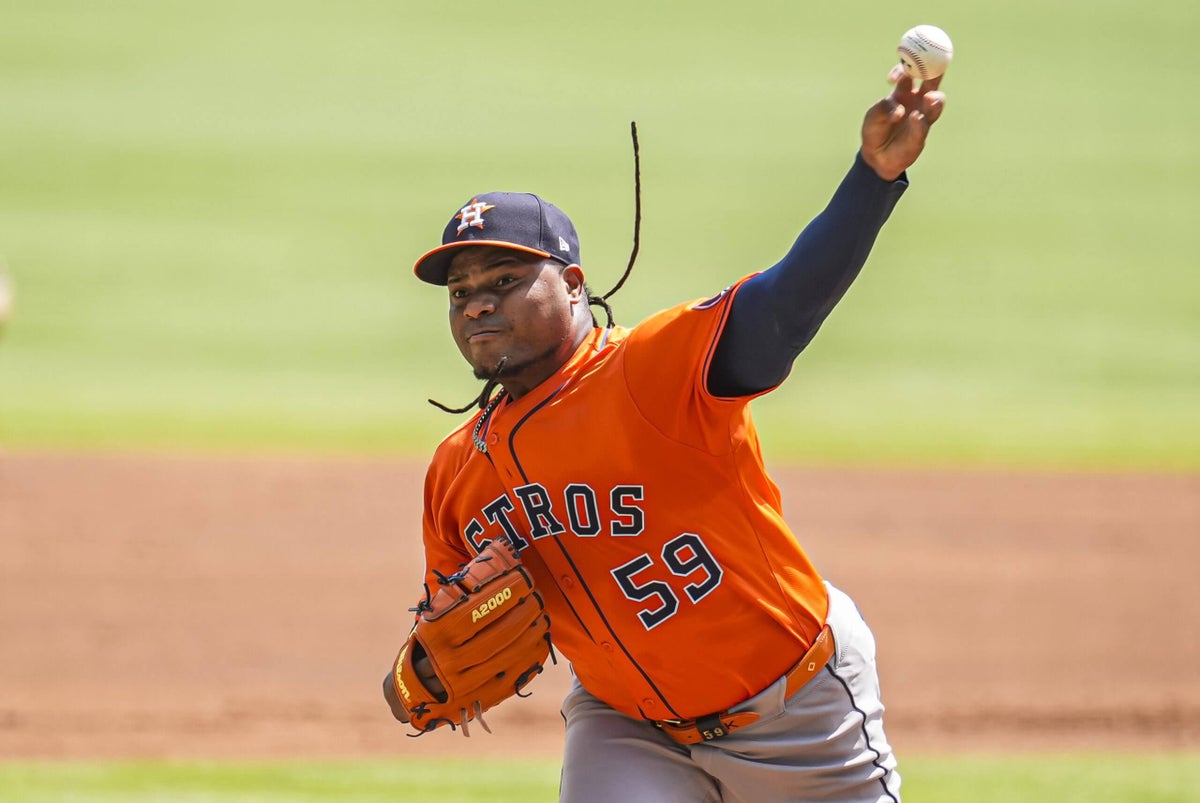
The consensus top remaining free-agent starters are Framber Valdez, Tatsuya Imai and Ranger Suarez. It is believed that shorter-term arrangements with these players would hold some appeal to the Mets, who can be opportunistic. But The Athletic’s Tim Britton projected each pitcher to land deals between six and eight years. And already this offseason, the Toronto Blue Jays signed Dylan Cease to a contract worth $210 million over seven years. So by not going long, the Mets may miss out.
The Mets’ preference for shorter deals isn’t a blanket policy. Two years ago, the Mets aggressively pursued Yoshinobu Yamamoto, who at that time was 25 years old and signed a 12-year deal with the Los Angeles Dodgers. But under president of baseball operations David Stearns, New York generally has targeted short-term deals with starters.
New York does not have to sign a free agent to a long-term deal in order to improve its rotation. In theory, the Mets could sign someone from the next tier, such as Michael King, Zac Gallen or Merrill Kelly — pitchers who may command fewer years. They could also swing a trade for rotation help. The availability of the Milwaukee Brewers’ Freddy Peralta and the Detroit Tigers’ Tarik Skubal remains unclear, but the Mets would likely see someone like the Pittsburgh Pirates’ Mitch Keller as an upgrade to their current group. Other trade candidates include MacKenzie Gore (Washington Nationals) and Edward Cabrera (Miami Marlins).
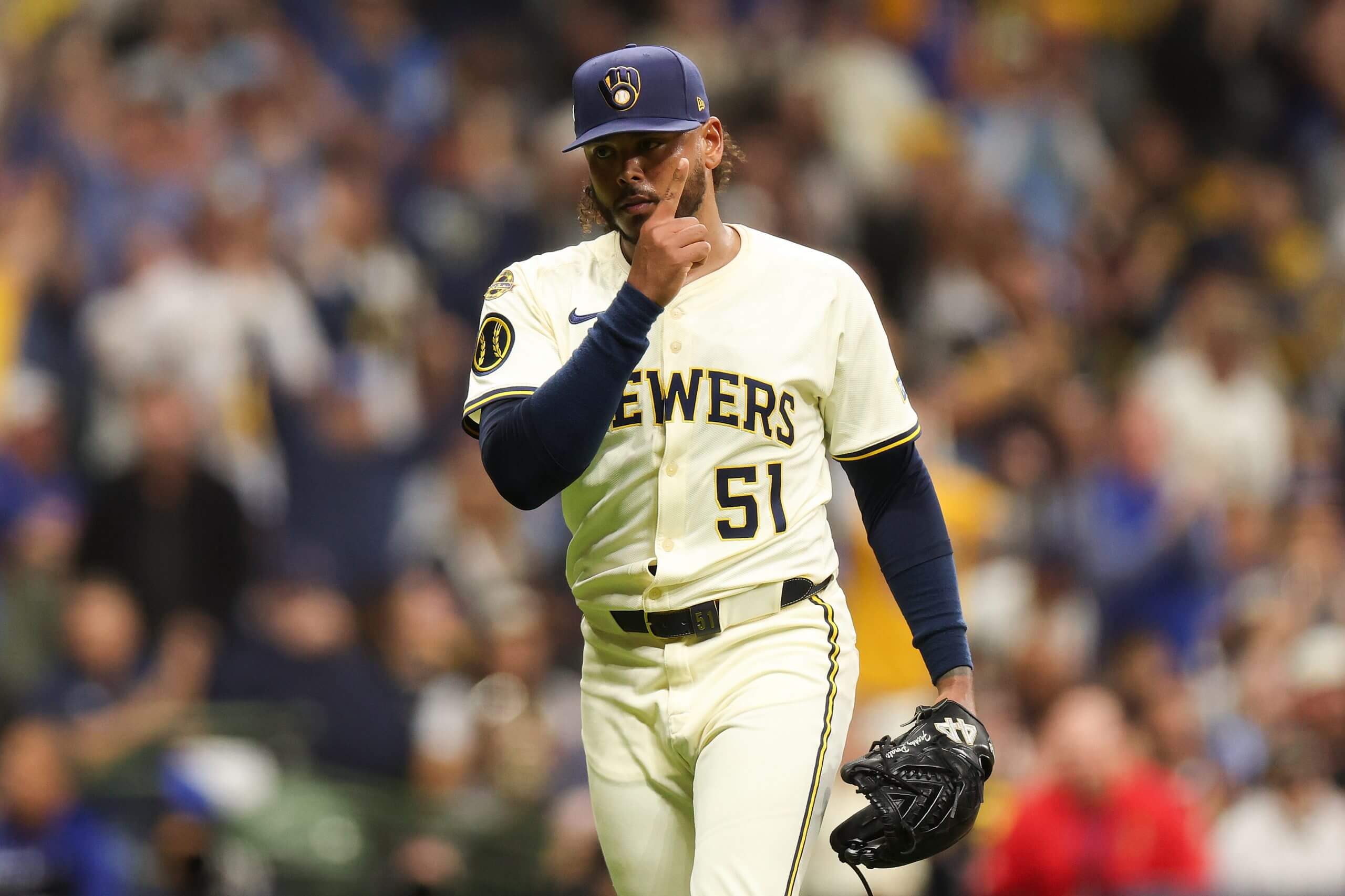
Trading for someone like Freddy Peralta might be an alternate route if the Mets deem the free-agent market problematic. (Michael Reaves / Getty Images)
Of course, it is possible that teams decide to hold onto their starting pitchers, similar to the trade deadline when only one (Kelly) switched teams.
Meanwhile, someone like Valdez is readily available.
Valdez, 32, stands out because he offers reliability and quality. Last season, he had a 3.66 ERA/3.37 FIP in 192 innings (31 starts). He holds a track record of avoiding barrels and racking up groundballs. Among starters since 2020, Valdez’s 102 quality starts trail only Zack Wheeler (106). In 2025, Valdez had 20 quality starts.
Valdez’s profile contains some blemishes. There’s his age (though he didn’t eclipse 100 innings in a major-league season until he was 27). There’s the incident with catcher Cesar Salazar that he referred to as a “cross-up.” And there are his second-half numbers from last season, which include a 5.20 ERA (71 innings). But when the Houston Astros needed Valdez (most innings pitched in the playoffs since 2020) the most on Sept. 25 against the Athletics in his final start of the season, he delivered seven innings with 10 strikeouts, allowing just one run.
A few days after Valdez made that start, the Mets’ season ended without a trip to the playoffs in large part because of a lack of quality starting pitching.
The Mets’ rotation projects as something along the lines of Nolan McLean, Clay Holmes, Sean Manaea, David Peterson and Kodai Senga, with Brandon Sproat, Jonah Tong and Christian Scott lingering as other intriguing candidates. McLean emerged as an exciting young starter. But the Mets have an acute need for help at the front of the rotation.
When Stearns talked up “run prevention” at his end-of-season news conference, a big part of that was addressing the need for better pitching. The Mets want to develop their own pitching and appear on their way to doing that, but they are also looking to strengthen their group with outside additions.
There are reasons clubs may not want to go long on contracts for starting pitchers. Just last season, Corbin Burnes, a model of health and consistency, needed Tommy John surgery after signing a big deal with the Arizona Diamondbacks. But pitchers who sign shorter deals contain risks — look no further than Frankie Montas, whom New York signed to a two-year deal and released after he was ineffective and required Tommy John surgery.
Indeed, there are pros and cons. The easy thing to do is pay Valdez, or others similar to him, for the long deal that is likely desired. With owner Steve Cohen, the Mets can afford it. But the Mets will likely read markets and react. In a perfect world, from their view, they end up addressing their rotation their way.
It remains to be seen how.