
Quick Read
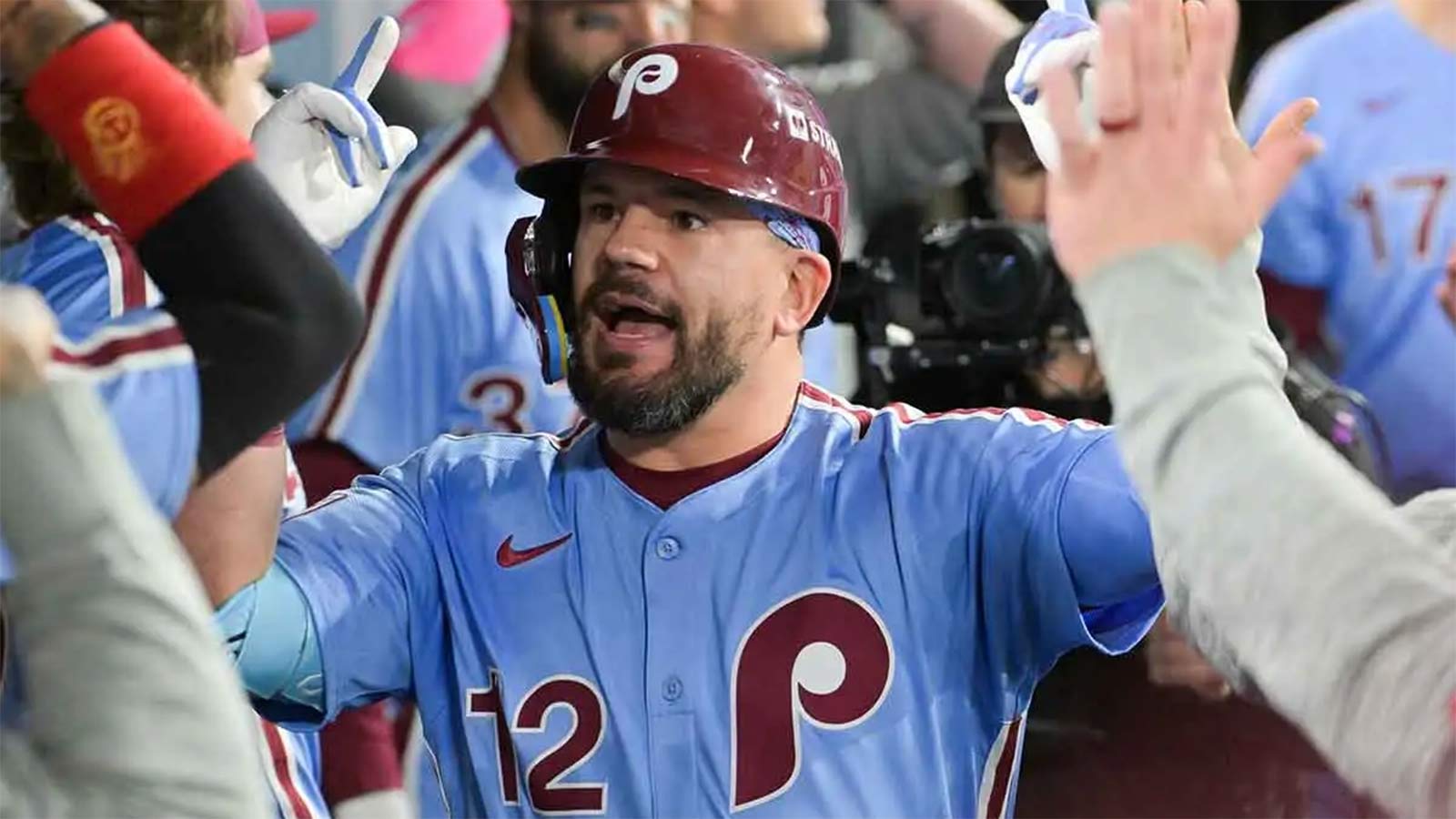
Kyle Schwarber declined the Pirates’ $125 million offer, re-signing with the Phillies for $150 million over five years.The Pirates are pivoting to other free agents and trades after missing out on Schwarber, aiming to bolster their lineup for 2026.Pittsburgh signed reliever Gregory Soto and traded for prospect Jhostynxon Garcia to strengthen their roster.Top prospect Konnor Griffin could impact the infield alignment in spring training.Andrew McCutchen’s future with the Pirates is uncertain amid ongoing roster changes.Kyle Schwarber Turns Down Pirates’ $125 Million Offer
In a high-stakes off-season moment, the Pittsburgh Pirates made headlines by extending a four-year, $125 million contract offer to Kyle Schwarber, one of Major League Baseball’s premier power hitters. Schwarber, fresh off leading the National League with 56 home runs and pacing the majors with 132 RBIs last season, was the kind of big bat Pittsburgh fans have long craved. Yet, the slugger ultimately opted for stability, re-signing with the Philadelphia Phillies on a five-year, $150 million deal. For many, this was hardly a shock—Schwarber’s affinity for Philadelphia, combined with the larger contract and team momentum, made the outcome almost inevitable.
Still, the Pirates’ aggressive pursuit marked a significant shift in their approach, signaling that they were ready to spend and compete for top-tier talent. Some analysts called the offer ‘performative,’ but to General Manager Ben Cherington, it was a statement of intent. He told TribLIVE and MLB Tonight, “We’re casting a wide net. We’re pursuing all kinds of free agents and trade opportunities at different levels. You’re going to pursue 100 things and you’re going to strike out some. You’ve got to be ready to pivot right to the next things.”
Pirates Pivot: Building a 2026 Contender
The Pirates’ current roster, as shown on MLB Network, highlights both promise and gaps. With Paul Skenes, the 2025 National League Cy Young winner, anchoring the pitching staff, the team is solid on the mound. But the position player group—featuring Joey Bart at catcher, Spencer Horwitz at first, Nick Yorke at second, Nick Gonzales at short, and Jared Triolo at third—lacks the superstar punch that Schwarber could have provided. Outfielders Jhostynxon Garcia, Oneil Cruz, Bryan Reynolds, and designated hitter Jack Suwinski round out a lineup that’s young, talented, but in need of veteran firepower.
Cherington’s strategy now is clear: keep searching, keep hustling. The Pirates are exploring both free agency and trades, aiming to add “in as many meaningful ways as possible.” Their goal, Cherington emphasizes, is not just incremental improvement but the belief that “we can win in 2026.”
Roster Moves: New Faces and Reluctant Trades
Even as the Schwarber deal slipped away, the Pirates stayed busy. They traded right-handed starter Johan Oviedo to the Boston Red Sox for Jhostynxon Garcia, a top-100 prospect, in a five-player swap. They also addressed their need for left-handed pitching, signing two-time All-Star reliever Gregory Soto to a one-year, $7.75 million contract. Soto’s arrival is timely, given that rookies Hunter Barco and Evan Sisk were previously the only lefties on the 40-man roster. Soto’s experience as a closer and setup man—most notably with the Detroit Tigers—adds depth and late-inning reliability.
But the Pirates’ willingness to move pitching talent has limits. Cherington noted his reluctance to part with starting pitching, especially after dealing Oviedo, despite widespread interest in their arms. The organization has already traded several young, controllable pitchers in the past 18 months to bolster their position player talent. “We’ve got to be careful,” Cherington cautioned. “We don’t want to thin that group out too much. It all comes down to fit. If it’s something that we think clearly makes the lineup better, maybe it’s something we consider. But it’s a strength, and we want to keep it that way.”
Among the notable recent moves: Quinn Priester, a 2019 first-round pick, was sent to the Red Sox for Yorke at the 2024 trade deadline, only to thrive with the Milwaukee Brewers after another trade. The Pirates also acquired Horwitz from the Guardians last winter, giving up Luis Ortiz and pitching prospects Michael Kennedy and Josh Hartle. Minor league lefty Tyler Samaniego was included in the Oviedo deal, further underlining the club’s willingness to shuffle pieces for the right return.
Prospects and Flexibility: The Konnor Griffin Question
If there’s a potential game-changer on the horizon, it’s Konnor Griffin. The 19-year-old shortstop, taken No. 9 overall in 2024, is now the consensus No. 1 prospect in baseball. Griffin’s impressive resume includes Baseball America’s minor league player of the year, a Rawlings MiLB Gold Glove, and the Honus Wagner Award as the Pirates’ top minor leaguer. His emergence could reshape the infield, freeing Gonzales to play second and Triolo to take on a utility role.
Yet, Cherington remains focused on immediate roster upgrades, saying, “We’re lucky Konnor’s a Pirate. It’s been an incredibly strong first 15 months in the organization. He’s met every challenge, surpassed every challenge. He looks like he’s going to be a really good player. The next few weeks, we’ll focus on making the roster better. We’ll see where we are in spring training.”
The Andrew McCutchen Conundrum
Schwarber’s decision has ripple effects beyond the box score. Andrew McCutchen, the 39-year-old franchise icon who’s served as the Pirates’ designated hitter for three seasons, faces an uncertain future. Manager Don Kelly, speaking alongside Cherington, expressed deep respect for McCutchen’s legacy but acknowledged the team’s evolving priorities. “As we continue to work through the offseason, taking names like that and other guys and try to figure out which way to go. I think Andrew is definitely a fit as you look at it. It’s just how everything breaks forward as we go through the offseason.”
The Pirates’ pursuit of Schwarber and other power bats could mean reduced opportunities for McCutchen, a shift that would be felt by fans and players alike. The team must balance honoring its past with building for the future—a challenge familiar to any club trying to turn the corner from rebuilding to contending.
The Pirates’ failed bid for Kyle Schwarber is more than a missed transaction; it’s a test of the franchise’s resolve and adaptability. While the allure of a superstar signing remains, Pittsburgh’s willingness to pivot and build around its existing strengths and emerging prospects will define its path to contention in 2026 and beyond. The next moves—both on the trade market and in player development—will reveal whether the club’s bold ambition can translate into lasting success.