
Starting in early 2023, the Twins appeared to have the shortstop position figured out for the foreseeable future, with a Carlos Correa megadeal. Correa has since been shipped back to the Astros, though, and we now have a 189-game sample of Brooks Lee. According to Baseball Savant, last season, he was well below average in batting, baserunning and fielding. However, he did do two things well: squaring up the ball and avoiding strikeouts. In total, he tallied -0.8 bWAR last year. It was really, really bad, but there’s a glimmer of hope.
What’s the answer for a player like Lee, who needs to get better and is on a team that claims it would like to compete in 2026? He profiles substantially better at second base. With his poor arm strength and slow feet, he is far more palatable on the right side of the infield. He has good actions as a defender, but the reality of the majors is that if he’s going to be a soft-hitting shortstop, he needs to bring above-average defense to that spot. I just don’t see it. Swing him over to second base, and let him continue to develop the bat. He needs to be a high-contact switch-hitter, and a Swiss army knife when constructing a batting order.
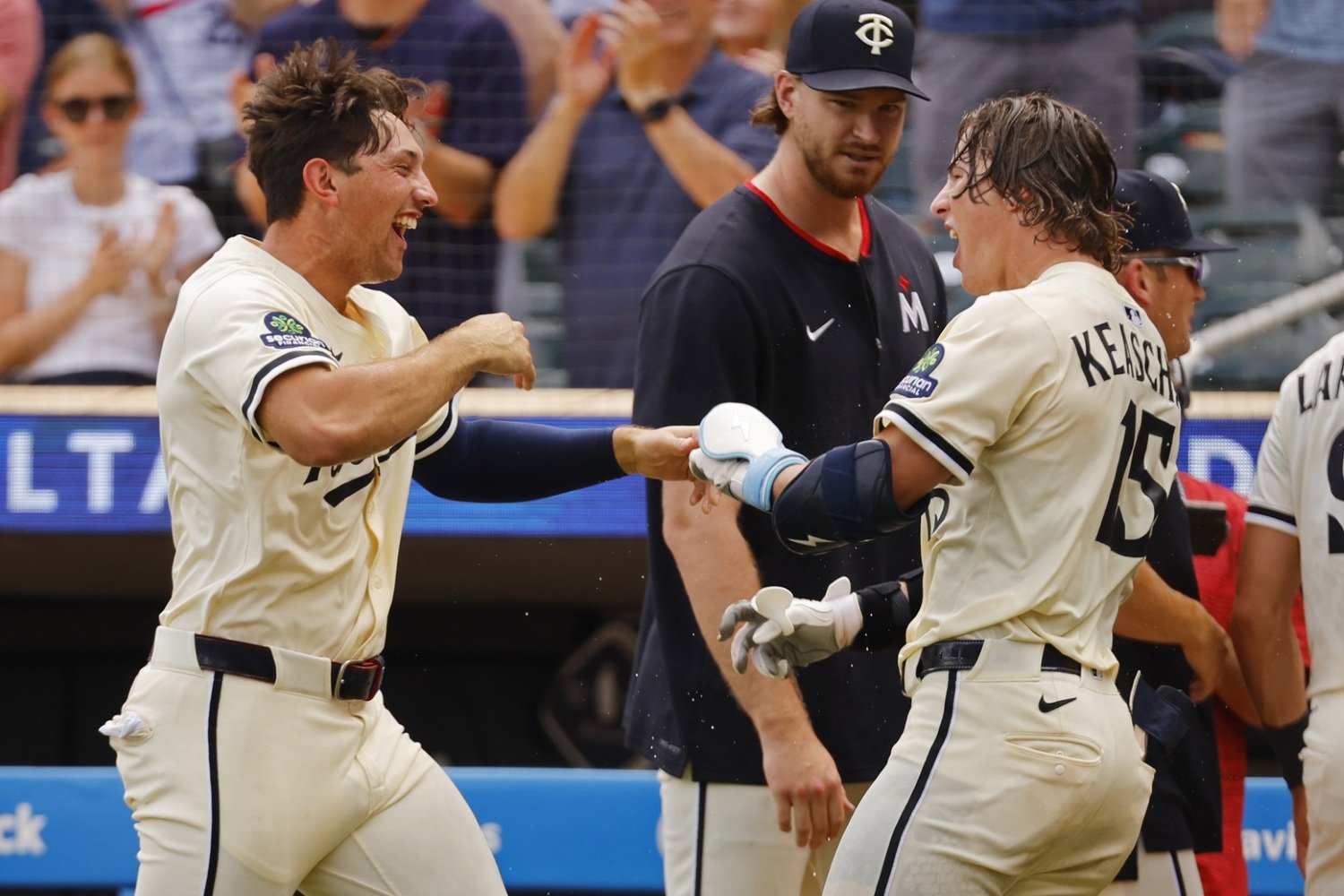
That introduces a new question: What should the team do with Luke Keaschall? I love his offensive makeup, but he was extremely clunky at second base. His arm was also a source of tsuris and agita. The Twins have been searching for another right-handed bat in the outfield every offseason for a few years now. Left field could be the long-term fit for Keaschall The organization should obviously continue to rehab his arm and have him on a strict throwing program, but with his athletic ability, a move to left could be great for him and the ball club.
So, what about the Twins’ need for a shortstop? They have a great candidate to be a long-term solution, in Kaelen Culpepper. I love his swing, and I expect him to knock on the door of the big leagues in 2026. But again, we return to the fact that they want to compete in 2026. It’s not a real answer to say this guy who finished in Double A is going to hop onto the big club after spring training, and they’re rolling with the rookie. That is, it’s not a real answer if you’re trying to be a serious threat in 2026. Regardless of how well he hits in Fort Myers this March, we should expect to see Culpepper in St. Paul, where he will likely be hitting in front of Walker Jenkins for a month or two (talk about a fun Triple-A squad).
Well, now what? I just moved Brooks Lee to second base, Keaschall to the outfield, and declared Culpepper to be unready for a club trying to be a contender. With some alleged spending money, the Twins can go to a tried-and-true method: the stopgap shortstop. It’s an extremely unsexy play, but it makes so much sense for the current state of the ball club. Pending his price tag, a guy like Ha-Seong Kim (coming off an injury =-plagued season, likely looking for a prove-it deal) would be a phenomenal fit.
This gives us a good look at the infield, with Royce Lewis improving defensively and Kim always grading well at short. Lee will get one final chance to be the answer in the big leagues, and if so, the team will have a long-term home for Keaschall’s top-of-the-order bat and legs. If Culpepper rakes and he gets the call, bump Kim to second or keep Lee rolling, depending on who is playing better. This will allow the other to fall into the “day-off” infielder role, since they can each fill in at all the infield spots.
The stopgap move is flat-out boring, but I think it would be a sneaky big move with the Twins’ current personnel. This could also give Culpepper a smooth runway to the bigs letting him take the reins as the shortstop when he is ready. The move puts the roster in a very healthy spot to potentially move Trevor Larnach for a bullpen arm or a prospect, which seems increasingly likely as we get further into December. This course of action isn’t ESPN headline-worthy, but it’s a sensible move that could pay huge dividends in the short- and long-term outlook for the Twins.