
Here we go again.
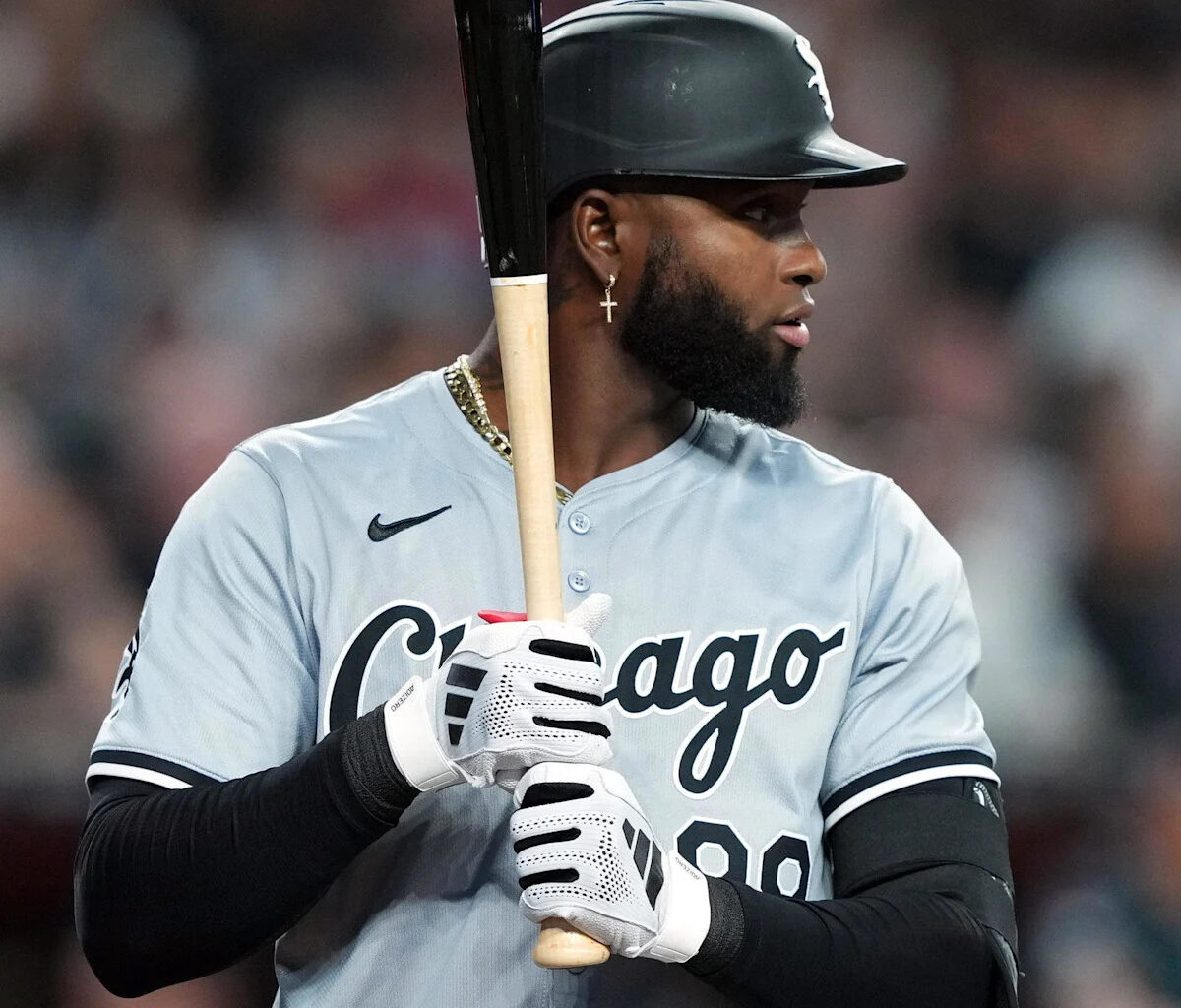
More trade rumors involving the Chicago White Sox and center fielder Luis Robert Jr. have begun to swirl. It is quickly becoming the hottest storyline of the team’s offseason despite a clear disconnect between the organization’s messaging and the national reports.
Advertisement
The stance inside the organization remains the same. The White Sox insist Robert Jr. is unlikely to be moved and is expected to be in their outfield on Opening Day. But that hasn’t stopped other teams from checking in—or national media members from reporting that a deal could be imminent.
Around and around we go.
Prior to the 2025 trade deadline, it was reported by Ken Rosenthal and Will Sammon of The Athletic that the White Sox were willing to include cash in a potential deal to increase the prospect haul in trades involving either Robert or Andrew Benintendi.
That approach felt out of character for owner Jerry Reinsdorf, but it was a welcome shift for a fan base tired of watching money stand in the way of organizational progress.
Advertisement
Now, it appears that willingness has vanished.
According to MLB insider Jon Heyman, the New York Mets have expressed interest in Luis Robert Jr. once again this winter, but Chicago’s refusal to eat any portion of his $20 million salary is preventing a deal from gaining traction.
“The Mets inquired about Luis Robert. But for the Mets to surrender prospects, they want money back to offset Robert’s $20M salary, and hard-line White Sox owner Jerry Reinsdorf isn’t seen as likely to give money to Steve Cohen’s team,” Heyman wrote in the New York Post.
From a baseball standpoint, the framework for a deal makes sense. The White Sox have previously shown interest in utility man Luisangel Acuña, a former top prospect who has struggled to find his footing at the major-league level. And the fit with first baseman/outfielder Ryan Clifford is especially intriguing.
Advertisement
Clifford, the Mets’ No. 8 prospect, slugged 29 home runs in the minors last season and finished the year in Triple-A. He’s on the doorstep of the big leagues and would provide a left-handed power bat at first base—something glaringly absent from the White Sox’s young core.
There is almost certainly a combination of players that could satisfy Chris Getz’s lofty asking price and get a deal done.
But it requires the White Sox to eat some money.
Not all of it. Just some.
And that’s where the line between competent and incompetent ownership becomes painfully clear.
Ownership shortcomings often show up most visibly in free agency, when teams refuse to hand out market-value contracts. As one of just two organizations in baseball that have never signed a player to a deal worth more than $100 million, the White Sox are well-acquainted with that reputation.
Advertisement
But it goes beyond free agency.
It’s outdated facilities, equipment, and technology. It’s a reluctance to aggressively pursue top executives, coaches, and baseball minds from outside the organization. It’s an unwillingness to use cash as a tool to improve the on-field product—whether that’s supplementing trades or investing in infrastructure.
The White Sox have taken steps forward in some of these areas. But not nearly enough. Hence why the fanbase has adopted a permanently gloomy outlook. They believe nothing will truly change until ownership changes. It’s hard to refute that.
It’s fair to debate whether trading Robert to the Mets is the right move. Even if Chicago were to absorb a significant portion of his 2026 salary, it’s unclear exactly what New York would offer in return—and whether the package would be worth it.
Advertisement
But it would be very on brand for this opportunity to pass by simply because Jerry Reinsdorf doesn’t want to help line the pockets of Steve Cohen, baseball’s wealthiest owner.
Reinsdorf was part of the old-guard ownership bloc that tried to prevent Cohen from taking control of the Mets to begin with. He was afraid Cohen’s spending power would break the game…or in other words, force him to open his checkbook.
And Jerry is entirely too prideful to send $10 million and a former All-Star in Cohen’s direction, even if it’s what’s best for his club.
The transition of power to Justin Ishbia can’t come soon enough.