
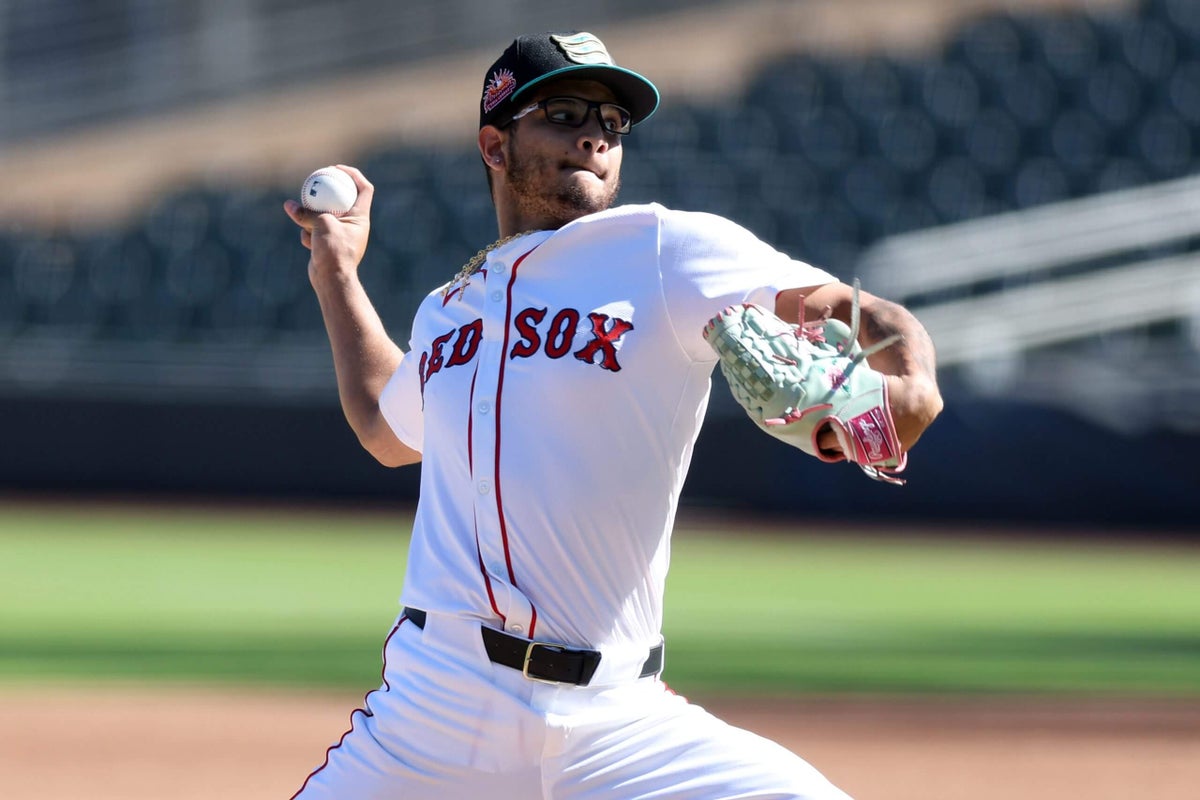
Trade details: Boston Red Sox acquire left-hander Jake Bennett from the Washington Nationals in exchange for right-hander Luis Perales
Well, that’s about as old-fashioned a “challenge trade” — two players, same position, traded for each other in a one-for-one deal — as you’ll find, especially in the world of prospects, where it seems like this sort of thing just isn’t done anymore. The Nationals’ new president of baseball operations, Paul Toboni, reached back into the system of his old club, the Red Sox, to pluck hard-throwing right-hander Luis Perales. In return, Boston received command lefty Jake Bennett. They’re both pitchers, and both came back this year from Tommy John surgeries, but beyond that, they don’t have much in common at all, and that’s what makes the trade so interesting to me.
Perales is the upside play here, as he’s up to 100 mph and consistently sits 97+ with a solid-average changeup and two breaking balls that are works-in-progress. He comes from a high slot — although it’s lower than when he first came into pro ball — so he’s pretty north-south in his pitching motion. When I saw him in the Arizona Fall League this year, he was dropping down a little on the slider to try to create some horizontal break to the pitch. His command and control have never been great; even when he’s thrown strikes, which he did right before he blew out his elbow in 2024, he’s scattered pitches within the zone rather than truly locating.
Perales is not super physical, and it’s possible that his frame just can’t handle that kind of stuff, so there is clear bullpen risk, although in that role, he’d probably miss a ton of bats even with the fastball/changeup. There is a path for him to become a starter, but given where the command sits, it’s more likely he improves the changeup and one of the two breaking balls to get to the level where he can succeed in a rotation than that he can locate well enough to pitch primarily off his heater.
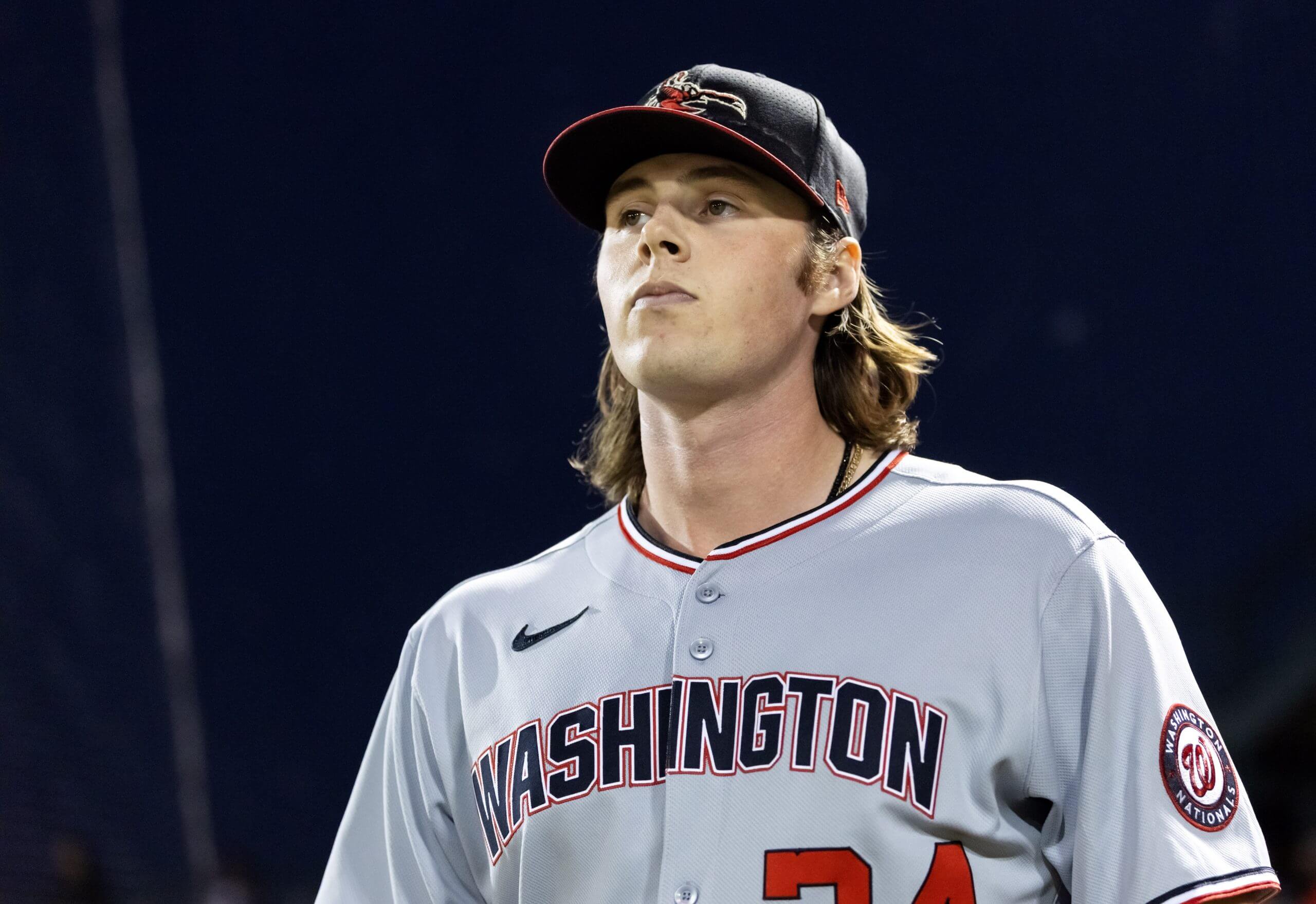
Jake Bennett was named to the AFL’s Fall Stars game in October. (Mark J. Rebilas / Imagn Images)
Bennett is the floor guy in the deal and should pitch in the majors this year. His fastball has peaked at 96 before and was 92-95 in the AFL this October. He featured both a four-seamer and a two-seamer, along with a plus changeup and two fringy breaking balls. He throws strikes and always has: he walked 6.4 percent of batters he faced during 2025, 6.2 percent in 2023 before he got hurt, and 4.5 percent at Oklahoma in his draft year in 2022.
As is, Bennett’s a back-end starter — but despite being 6-foot-6 and 240 pounds or so, he’s never worked on trying to add velocity, nor has anyone tried to improve either of the breaking pitches (in the modern sense of pitch design, at least). The Red Sox have done a lot of this with a lot of guys, including a couple of lefties who will figure into their 2026 rotation plans in Payton Tolle and Connelly Early. Bennett will probably start in Triple A, where he has yet to pitch in any season, but I expect him to get a call-up at some point this summer when Boston needs a starter, and I won’t be shocked if he’s throwing harder when he does.
If you’re looking for me to name a winner in this deal, sorry, I’m not going to do so. The Red Sox are trying to contend right now, and they have a clear core competence in helping pitchers who can throw strikes improve their stuff. The Nats are years from contention, and while Bennett would probably have made 20 starts for them in 2026, he doesn’t have the pure upside of a Perales — and upside is what Washington should be targeting in every deal. Toboni walked into a system with a lot of raw talent, maybe some of it underdeveloped to date, and the more he can add to that while also revamping some of their player development processes, the faster the rebuild will go. The trade just makes sense for both sides, period.