
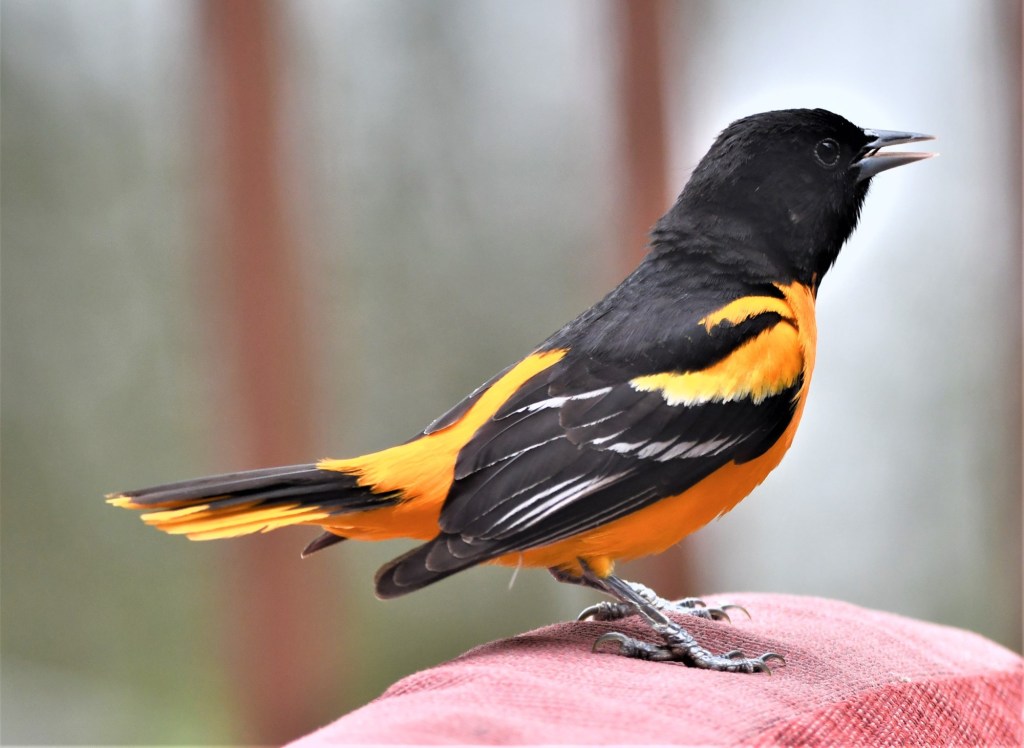
‘Tis the Holiday Season, so it’s fitting for us all to be counting our blessings – and for some of us to be counting our birds. That’s because the Christmas Bird Count is now in play and you’re invited to join the tens of thousands of volunteers throughout the country participating in the Audubon Society’s 126th Christmas Bird Count.
The count runs to Jan. 5.
The Christmas Bird Count is the longest-running citizen-science survey in the world, and the data collected through the count allows researchers, conservation biologists, and other interested individuals to study the long-term health and status of bird populations across North America.
It is an early-winter bird census, where thousands of volunteers across the U.S., Canada (where Audubon partners with Birds Canada), and many countries in the Western Hemisphere go out over a 24-hour period on one calendar day to count birds.
Local counts will occur on one day, sometime on or before Jan. 5. Volunteers can pick the most convenient circle, or participate in more than one count.
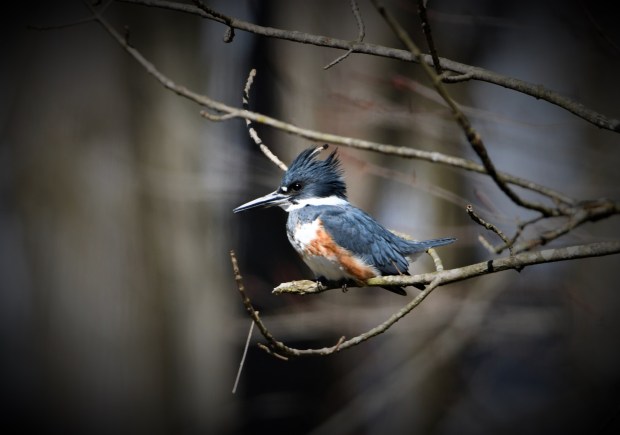 The belted kingfisher are another bird that is part of the annual Christmas Bird Count. (Photo courtesy of Tom Tatum)
There is a specific methodology to the count, but everyone can participate and it’s free. The count takes place within the Count Circles which focus on specific geographical areas. Each circle is led by a “Count Compiler,” who is an experienced birdwatcher, enabling beginning birders to learn while they assist. Count volunteers follow specified routes through a designated 15-mile diameter circle, counting every bird they see or hear all day.
The mission of the National Audubon Society is to protect birds and the places they need. Here in the Mid-Atlantic, we strive to slow down and reverse the impact that climate change and habitat loss have had on the wide range of bird species that depend on our region.
The annual count is valuable in monitoring the distribution of bird species. The agency can use the data to track changes in species populations and better manage their resources.
CBC data have been used in hundreds of analyses, peer-reviewed publications, and government reports over the decades. Audubon’s quantitative ecologist updates the CBC Population Trends periodically.
A 2021 study published in the Journal of Wildlife Management was conducted by the National Audubon Society and Clemson University’s James C. Kennedy Waterfowl and Wetlands Conservation Center. This publication showed populations of 16 common duck species that winter in the southeastern United States have shifted northward over the past 50 years due to temperature changes attributed to climate warming.
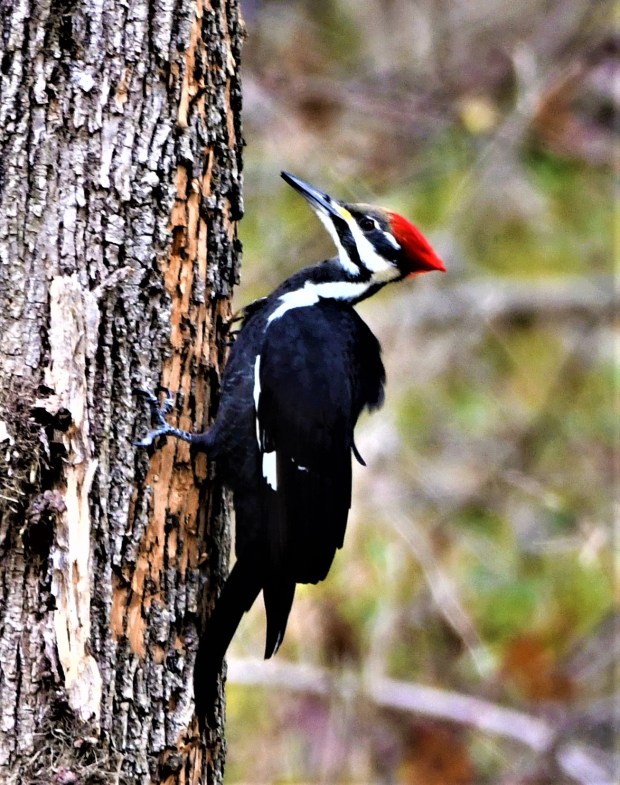 Piliated woodpeckers are one of the many species that are part of the Audubon Christmas Bird Count. (Photo courtesy of Tom Tatum)
With our up and down weather so far this winter, there may be many surprises found during these counts. For example, many more American robins are being found in some count circles due to the mild weather and abundance of soft mast. The data generated from the count is published each year on the National Audubon website and summarized each year in the Pennsylvania Society for Ornithology’s journal, “Pennsylvania Birds.”
Those who live within the boundaries of a Count Circle can even stay at home and report the birds that visit their backyard feeders. In either case, the first step is to locate a Count Circle that’s seeking participants and contact the local Count Compiler on Audubon’s website, www.audubon.org, to find out how you can volunteer.
Snow geese die at quarry
Unfortunately, in the midst of the Christmas Bird Count, hundreds of dead snow geese were recently found at a Northampton County quarry. The suspected culprit? Avian influenza. The Pennsylvania Game Commission is coordinating a response to this incident that includes safe removal, testing and disposal of the birds. According to Travis Lau, communications director for the Game Commission, some 400 dead birds have been found in the quarry since Dec. 12.
The U.S. outbreak of highly pathogenic avian influenza began in January 2022 and has impacted wild and domestic birds in every state. In Pennsylvania, there was a sharp resurgence of bird flu cases in wild birds in late 2024 and early 2025. Impacts tailed off after several weeks, though the virus continued to be detected at lower levels.
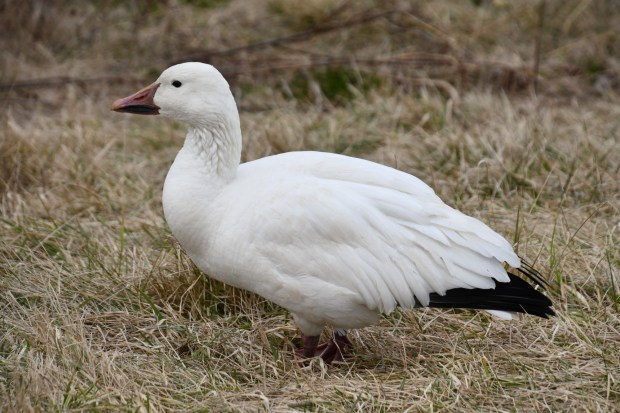 Hundreds of snow geese were recently found dead at a quarry in Northampton County. Bird flu is the suspected cause of death for the birds. (Photo courtesy of Tom Tatum)
Wild waterfowl and shorebirds are considered natural carriers for avian influenza viruses and might shed the virus in their feces and saliva despite appearing healthy. It also can lead to sickness or death in raptors (hawks, eagles), avian scavengers (crows, gulls, ravens) and wild poultry (turkey, grouse).
The virus typically does not affect bird species that frequent backyard bird feeders. Exercise good hygiene when maintaining bird feeders and baths, emptying them every couple of weeks and disinfecting them with a 10% household bleach solution. If you notice multiple sick or dead birds over a short period of time, strongly consider leaving feeders down and baths empty to not make any potential outbreak worse.
Clinical signs of infection in wild birds are often non-specific, but might include neurologic dysfunction such as circling, head tilting, and difficulty flying.
The virus can potentially infect humans, though the U.S. Centers for Disease Control and Prevention has declared that the current outbreak is primarily an animal health issue that poses low risk to the health of the general public.
People can help safeguard themselves against bird flu by always viewing wildlife from a safe distance, avoiding contact with wild birds or their feces and not handling wildlife unless you’re hunting, trapping or otherwise authorized to do so.
Waterfowl hunters are encouraged to continue participating in the remaining season, but should take precautions while handling and dressing birds. These include wearing gloves, protective eye wear and a mask. Following any hunt, make a point to practice good hygiene, including washing hands and any clothing or equipment used in dressing game that may contain blood or feces. Cook all wild bird meat to 160 degrees Fahrenheit.
Dogs encountering the virus also are at risk of infection. Dog owners should keep their dogs up to date on vaccinations and preventive medications, prevent their dogs from coming in contact with wild birds or their feces, and should not allow dogs to consume environmental water.
Those encountering other sick or dead wild birds anywhere in Pennsylvania can report them to the Game Commission by calling 1-833-PGC-WILD (1-833-742-9453). Any sick or dead domestic birds should be reported to Pennsylvania Department of Agriculture at 717-772-2852. If you have had contact with sick or dead birds and are not feeling well, contact your primary care physician or the Pennsylvania Department of Health at 877-PA-HEALTH (877-724-3258).
Tom Tatum is the outdoors columnist for the MediaNews Group. You can reach him at tatumt2@yahoo.com.