
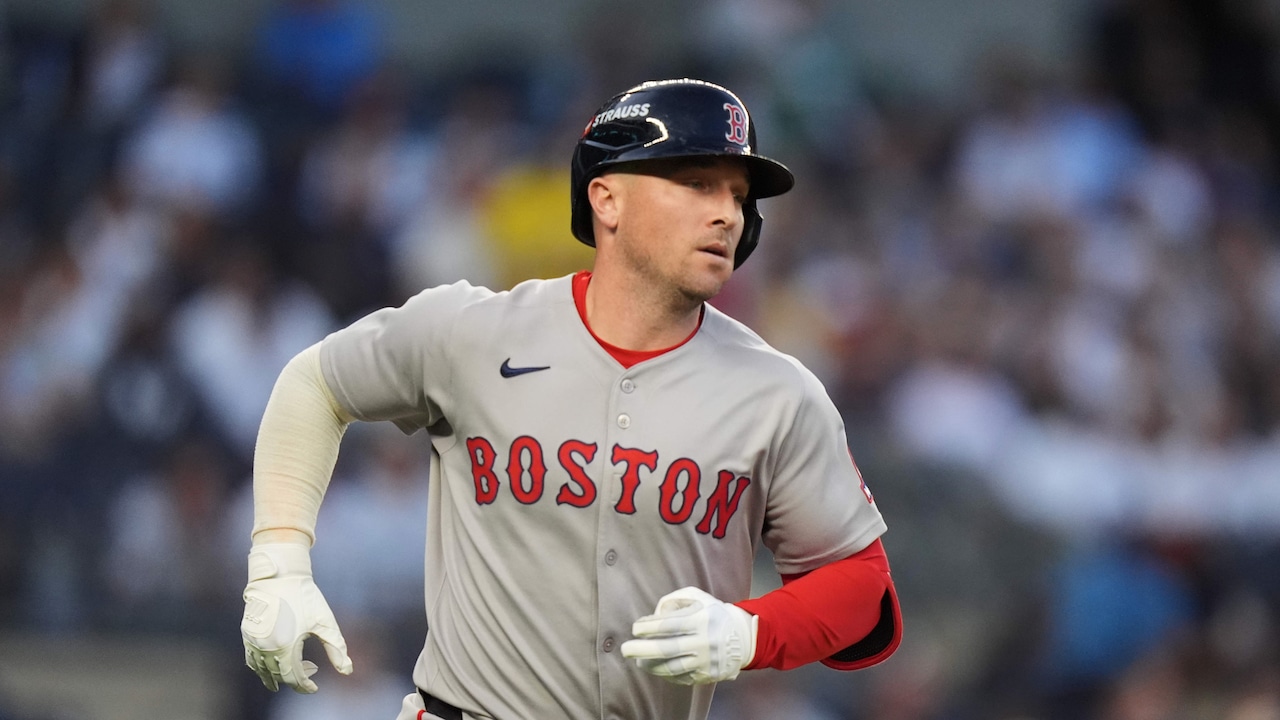
With a new year fast approaching, Alex Bregman, much like last season, remains a free agent.
The All-Star infielder has been connected to several teams this winter, including the Red Sox where he spent the 2025 season.
They remain in the mix for Bregman along with the Arizona Diamondbacks, Toronto Blue Jays and Chicago Cubs, according to the Detroit Free Press’ Evan Petzold reported.
While the Detroit Tigers, who made an offer to Bregman before he ultimately signed with Boston, have not pushed for Bregman, according to Petzold, that could change.
“If Bregman’s market collapses by mid-January, the Tigers could re-enter the mix by putting the only long-term offer on the table,” Petzold wrote.
“It’s unlikely, but here’s how it happens: The Blue Jays sign Kyle Tucker and re-sign Bo Bichette, the Red Sox trade for Isaac Paredes or Brendan Donovan, the Cubs stick with Matt Shaw or pivot to Eugenio Suárez, and the Diamondbacks refuse to trade Ketel Marte.”
MassLive’s Chris Cotillo reported that Boston remains engaged with the third baseman about a return in 2026, with club officials remaining hopeful — but not necessarily either optimistic or pessimistic — at this juncture.
Bregman was a strong fit for the Red Sox in 2025, providing veteran leadership and offensive pop to the lineup. He opted out of the final two years of his contract in November to explore the free agent market.
The Red Sox have not signed any major league free agents this offseason thus far. They traded for Sonny Gray, Willson Contreras, Johan Oviedo and some back-end roster players but still need to add more if they want to return to the postseason for a second straight year.
Bregman finished the 2025 season with a .273 batting average with 18 home runs and 62 RBIs — numbers that likely would have been inflated had he not been sidelined with a quad injury.
Bregman has expressed desire for his next contract to bring him to the end — or at least close to — the end of his career. Whether the Red Sox want to commit term and money to the 31-year-old will depend on their willingness to spend, potentially past the second CBT (competitive balance tax) of $264 million.