
Image courtesy of © Mark J. Rebilas-USA TODAY Sports
The Minnesota Twins have had a very quiet offseason, at least in terms of adding on-field talent. Even during the winter meetings when other teams were making movements to fill gaps, the Twins grabbed a player during the Rule 5 Draft and traded him immediately. Nothing flashy, nothing grandiose, just a little building and maintenance.
Looking at the 40-man roster and the potential active roster, the Twins have talent, and with the turnover on the coaching staff, the hope is that results will improve. The front office not making big moves is probably smart on their part right now, but there are still gaps in the lineup. There are still questions at first base where there has been a lot of turnover and change the past four seasons. Last season, Twins first basemen ranked 25th out of 30 teams defensively.
There was plenty of talking around, looking specifically at first base options. During the Winter Meetings, the Big Fish, Kyle Schwarber and Pete Alonso, signed their new contracts. Clearly the Twins weren’t swimming in that pool, but they were believed to be looking at the secondary market at first base, such as Rhys Hoskins, Ryan O’ Hearn, and Josh Bell were floating around the rumor mill as potential targets for the Twins. Not a poor choice in the bunch, just what would fit best, and what would the front office be willing to spend with their available funds. The Twins were serious about plugging in another first baseman, so it wasn’t a matter of when, just a matter of who.
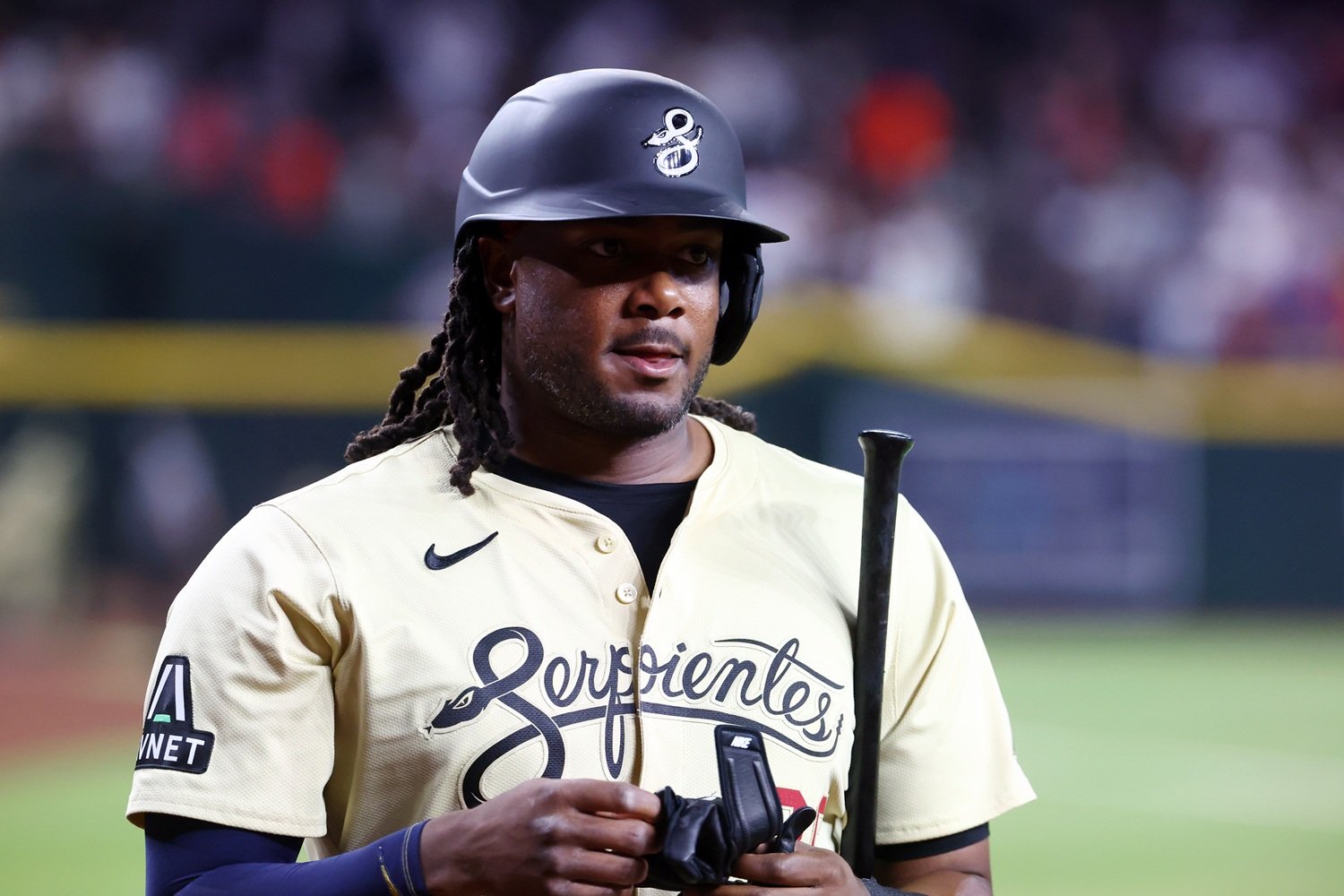
The Twins jumped into the secondary first base market shortly after the Winter Meetings completed. At 9:28 am on December 15th, Jeff Passan posted on X that the Twins and switch-hitter Josh Bell had agreed to a one-year contract with a 2027 mutual option.
While Bell is a first baseman and can and will more than likely play first base, the switch-hitter was picked up for his bat. He will likely serve in the DH role often as he did his last season with the Washington Nationals. At the same time, most fans recall Bell’s 2025 season as being far less productive at the plate than his previous seasons. He ended 2025 with a .237/.325/.417 slash line, suitable for a 110 OPS+, and his relentless work ethic is what makes him a reliable player and leader.
If you haven’t followed Josh Bell in his career, here is a little background and a snapshot of what the Twins are getting. Bell attended Jesuit College Preparatory in Dallas and had committed to play baseball at the University of Texas. In his senior year of high school, he hit .548 with a 1.054 slugging percentage, 13 home runs, 54 runs batted in, and 54 runs scored.
However, Baseball America stated that he was the nation’s top corner outfielder available in the 2011 draft, and even though he was a sought-after commodity, he wrote a letter to the Commissioner’s office stating that he would not sign with anyone and intended to honor his commitment to Texas.
Despite the notification, he was drafted by the Pittsburgh Pirates in the second round, He still went to Texas, took some classes, worked out, and then decided to sign with the Pirates in August 2011 for a $5 million signing bonus, setting a record for a second-round draft pick.
MLB.com ranked Bell as the 69th best prospect in baseball and number three in the Pirates organization. His professional rise wasn’t instantaneous. In fact, he was in the Pirates minor league system for five years. Ultimately, he used that time to develop, to ready himself for the big leagues. He debuted in 2016, a reminder that some of the game’s most impactful bats aren’t always the fastest risers.
Once in the majors, Bell immediately showcased why Pittsburgh invested in him. Even though he was brought up, sent down, and had knee surgery all within a year, he never missed a game or went on the Injured List. On September 4, 2017, Bell broke the National League record for most home runs by a rookie switch hitter.
Over five seasons with the Pirates, he posted a .261 batting average with power that translated into 86 home runs across 552 games. His breakout 2019 season earned him an All‑Star nod and a Home Run Derby appearance, milestones that cemented his status as a legitimate middle‑of‑the‑order presence during his peak.
But Bell’s career arc hasn’t been a straight line of success. After his All‑Star season, he moved through several teams, including multiple stints with the Nationals. He won a Silver Slugger in 2022. However, a series of trades and signings that have kept him moving around the league, landing back again with the Nationals in 2025.
In 2025, Bell experienced the kind of inconsistency that has marked parts of his career. Bell opened the season slowly at the plate before settling into more reliable production. He ended the season with 22 home runs and became the second player on the Nationals, joining Danny Espinosa, to hit home runs from both sides of the plate in the same game.
Bell’s defensive metrics have drawn mixed reviews, and rightfully so. In 2025, an already struggling offense for the Nationals was not assisted at all with Bell’s first base performances, or lack thereof, but for the Twins, he will primarily be a DH and will bring a veteran voice to the locker room.
The Twins have a fairly young team, not the youngest anymore, but certainly comparatively young and inexperienced to the rest of the league. Along with his presence and a shake-up of the coaching staff, Minnesota is still adamant on 2026 being a season of developmental emphasis and roster evaluation, particularly as the team assesses its competitive timetable. He will add a nice, power-hitting bat to the lineup, while hopefully helping grow the confidence and professionalism of the younger players.
This move is calculated. It doesn’t mean that Hoskins or O’Hearn would have been a bad fit. However, having a switch-hitting DH, especially with Clemens available to cover first base, a veteran bat with pop and a track record of production who might unlock lineup balance and offer clubhouse mentorship while allowing Minnesota to keep its long‑term options open by not spending a lot.
The AL Central clearly isn’t the best division. Still, it’s a division that demands both offense and savvy roster construction, especially against the ever-frustrating Cleveland Guardians. Bell’s signing strikes a balance of both and gives the Twins another intriguing storyline to follow as spring training approaches.