
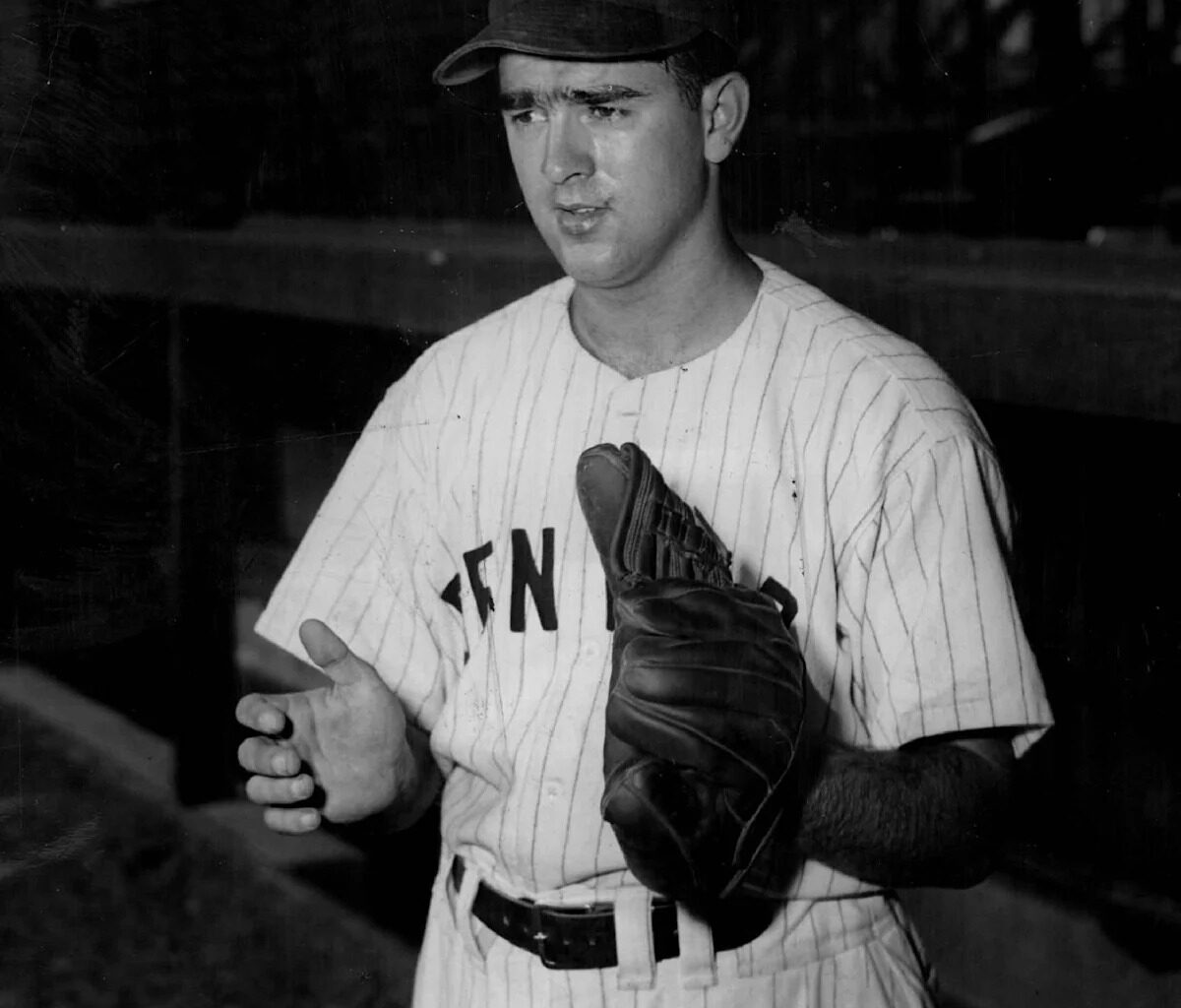
There is perhaps no single name more closely associated with the Yankees than Babe. You’ve got Babe Ruth. Then you’ve got Babe Dahlgren, the first baseman who replaced Lou Gehrig following the latter’s retirement in 1939. Oh yeah, and then there’s a guy named Loren Babe.
The least famous of the three Babes to have played for the Bombers (excluding “Babe Ruth’s Legs”), Loren Babe nonetheless played a vital role in one of the single moments that has been immortalized in Yankees lore. He only appeared in 17 games for the Yankees in the early 1950s, though his influence was much more strongly felt in his post-playing days as a minor-league manager and major league coach.
Advertisement
Loren Rollen Babe
Born: January 11, 1928 (Pisgah, IA)
Died: February 14, 1984 (Omaha, NE)
Yankees Tenure: 1952-53
Loren Babe was born Januray 11, 1928, in Pisgah, Iowa, a rural town in the heart of Iowa that registered a population of just 249 in the 2020 census. Not much is known about his early life, but he became the first position player to attend Creighton Preparatory School in Omaha, NE, to then go on to play in the majors. He signed his first professional contract with the Yankees in 1945 and then embarked on a journey through the minors, highlighted a .764 OPS in 52 games for the 1947 Denver Bears.
Babe had to wait seven years to make his MLB debut, going 1-for-4 with a stolen base on August 19, 1952, in a 3-1 loss to the White Sox. And even then, he found opportunity hard to come by as the third choice at the hot corner behind defending AL Rookie of the Year Gil McDougald and younger up-and-comer Andy Carey. The 24-year-old third baseman made only 12 appearances that year, tallying just single, a double and a run scored from 21 at-bats. He was also left off the postseason roster, when the Yankees would go on to win their fourth-straight World Series title, vanquishing the Brooklyn Dodgers in a seven-game classic.
1953 also brought scarce playing time, though he did manage a pair of home runs in five appearances. However, it did include Babe’s involvement in one of the keystone moments in Yankees folklore. It was April 17, 1953, a blustery day at the Senators’ Griffith Stadium in Washington, DC, gusts howling out to left-center. Mickey Mantle was about to step to the plate for his fifth-inning AB against right-handed pitcher Chuck Stobbs, but couldn’t find his bat, so at the last second he borrowed Babe’s lumber. He crushed a pitch to left — so hard that part of the cover came off — the ball soaring over the left field wall and Fifth Street beyond the stadium before coming to rest in the backyard of 432 Oakdale Street.
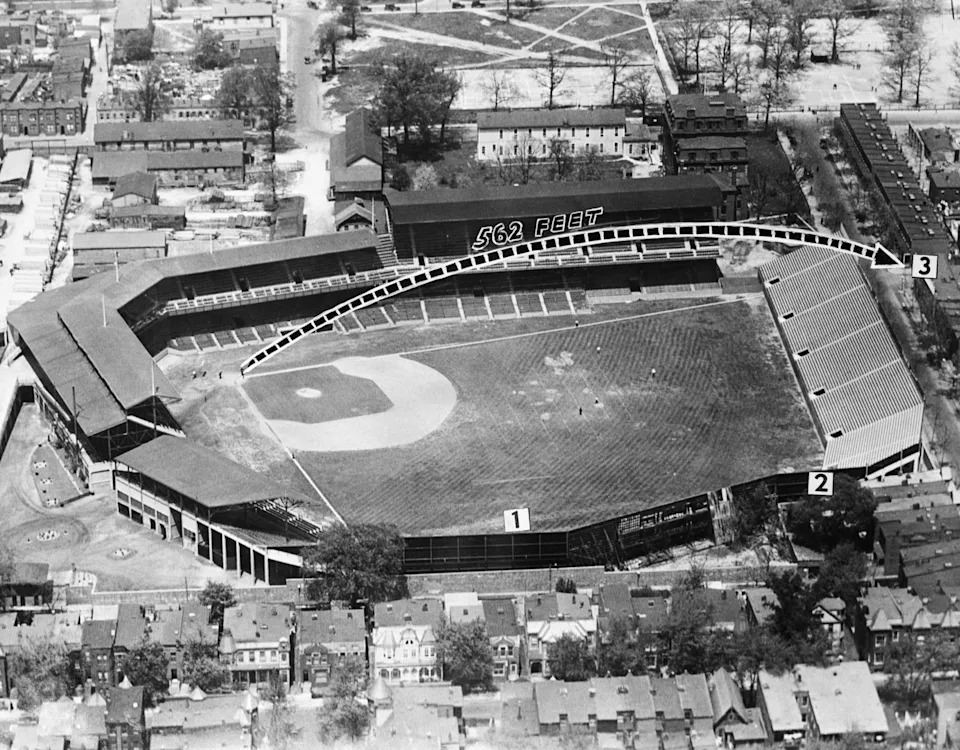
Contemporary reports have the ball traveling either 562 or 565 feet. A 10-year old boy named Don Dunaway was sitting in the left-center field bleachers when Mantle hit the ball, and he sprinted out of the stadium and searched for 45 minutes before finding the ball. Dunaway returned to the stadium and there are two stories as to the fate of the ball. He either exchanged it with Red Patterson — head of public relations for the Yankees — for five dollars and two autographed baseballs or he himself brought it to the Yankees clubhouse where he sold it for $100.
Advertisement
That would prove the highlight of Babe’s major league career. He was sold to the Philadelphia Athletics nine days later while Mantle kept the bat for the rest of the season, the piece of lumber eventually getting framed in Cooperstown in the Baseball Hall of Fame. Babe finally found regular playing time in Philly, starting 103 games but slashing a paltry .224/.300/.283. This led to the Athletics trading him back to the Yankees, and though he toiled in minors, he would never again appear in a major league game.
That wasn’t the end of Babe’s baseball story, the now-retired infielder taking up various coaching and scouting positions in the Yankees’ minor league system. He eventually worked his was to being a manager of several of their farm teams including the Auburn Yankees, Idaho Falls Yankees, and the Toledo Mud Hens. His teams made many minor league playoff appearances and won several league championships, but his influence was most strongly felt by the players who learned under his tutelage. He was lauded as instrumental in the scouting and development of players including Bobby Murcer, Mel Stottlemyre, Ron Blomberg, and Mike Hegan. As the manager of the White Sox’s Triple-A affiliate in Denver, he mentored a young Tony La Russa, who credited Babe with showing him the fundamentals of being a manager.
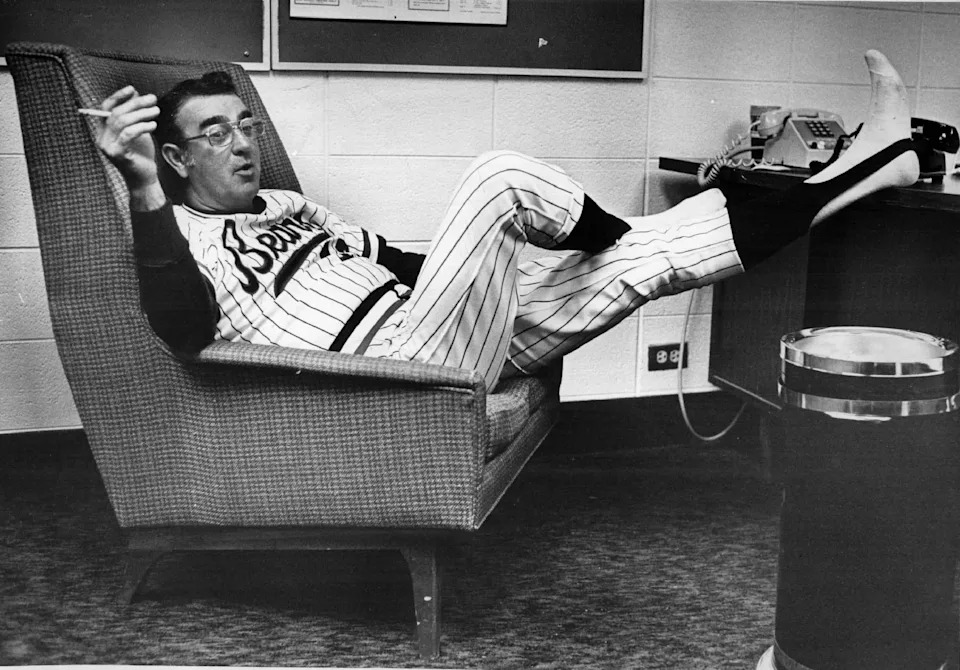
Babe was made a member of Chicago’s scouting team in 1980. In 1983, he was diagnosed with colon cancer. At that point in time, he needed 57 more days of Major League service time to become a vested member of the players’ pension plan that included health benefits. The White Sox promoted him to the major league coaching staff to allow him to qualify for those health benefits, and Babe played a role in the White Sox also adding Charley Lau to the major league coaching staff as the hitting savant too had been diagnosed with colon cancer. Babe lost his battle to cancer at the age of 56, passing away in his Omaha home on February 14, 1984.
Advertisement
References
Loren Babe. Baseball-Reference.
Loren Babe. Baseball Almanac.
Brown, Alexa. “#Shortstops: Bat for a Blast.” Baseball Hall of Fame
Cinquanti, Micahel. “January 11 – Happy Birthday Loren Babe.” January 11, 2013.
See more of the “Yankees Birthday of the Day” series here.