
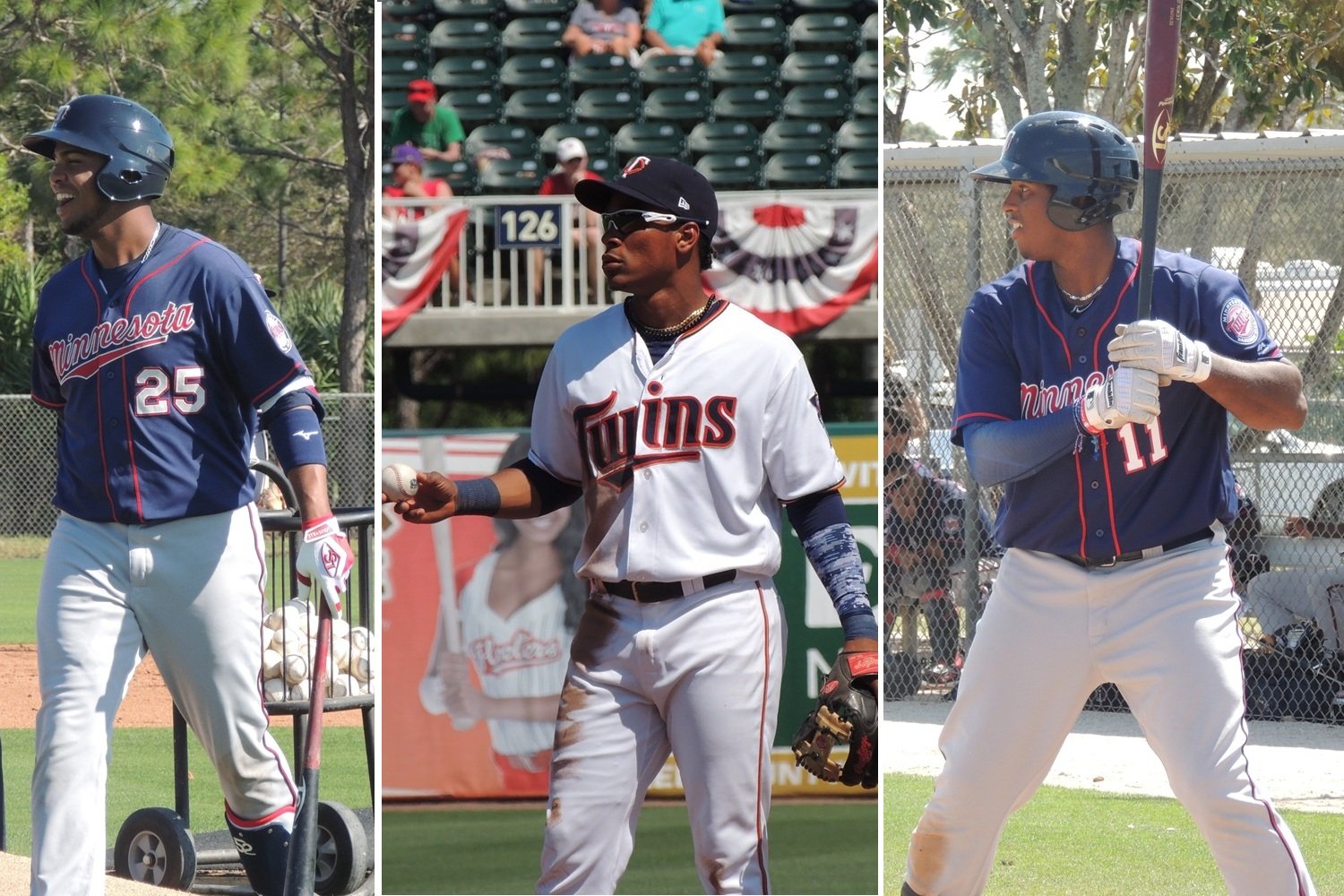
We are already a week into January. That means we are less than a week from the start of the 2026 International Free Agent Signing Period. Clubs will be scrambling to finalize deals that had been informally agreed upon with handshakes with their prospects and finding the talent that will round out their programs in the years to come.
Projecting young baseball talent is hard in any context, but international free agency pushes that challenge to an extreme. In the United States, scouts evaluate high school players who are 15-18 years old. College players are typically 18-22 years old. By then, bodies have developed a little more, skill sets are a little clearer, and the physical projection window is narrower. Even then, teams often miss.
Now imagine trying to do these three or four years earlier, in a foreign country, where creating opportunities means working with very young people just entering the early years of growth and development.
On the international market, scouts begin following players at 13 or 14 years old—sometimes even younger. These aren’t fully formed athletes yet; they’re children whose bodies, strength, mechanics, and maturity will change dramatically before they turn 20. Yet by 16 or 17, many of them are signing professional contracts with Major League Baseball organizations. The projection gap is enormous, and the risk is baked into the process.
When comparing U.S. and international scouting, several key differences stand out.
U.S. players are typically scouted between ages 15 and 21, while international prospects are often evaluated as early as 12 to 16. This age difference also affects body maturity: domestic players are mostly physically developed, whereas international teenagers are still rapidly growing and changing. These factors contribute to the relative risk of bust, which is generally medium for U.S. players but very high for international signees, making projection and player evaluation considerably more challenging. Players drafted in college, instead of early on in their formative years of 17/18, are at a much higher risk of being a bust than international players.
Take for example Twins outfielder, Austin Martin. Martin was not an international player, but he attended Trinity Academy in Florida and while there, he played for Team USA at the age of 14 in 2014. In 2017, he was drafted by Cleveland in the 37th round, he turned down the offer and went to Vanderbilt. For him, it was an opportunity to mature physically and emotionally. He had an outstanding collegiate career. He was considered the top hitter in the 2020 draft and as the fifth overall pick by the Blue Jays, he got a $7mm signing bonus. Things haven’t come easily for Martin in pro ball. He came to the Twins in the Jose Berrios trade in 2021. Since then, he has bounced back and forth between the minors and the big-league club and has yet to secure a full-time roster spot, with what was a slam dunk draft pick.
On the international market, scouts must project what 13-14-year-olds will look like when they are 23-27, a nearly impossible task. Before 2020, the signing date was July 2. Since 2021, January 15 has aligned scouting with the offseason and provided better structure. Twins Daily, specifically ramps up reports for prospects and international signings for January 15, so check out our coverage as we move forward.
This article is not to say that international scouting doesn’t work. In fact, it has worked for a lot of teams, including the Twins, but it’s not as simple as showing up to a scouting event like in the U.S. and leaving with the confidence that the junior in high school has the potential to be ready in a year or two, or after college. It means they have to “see the potential” and know that those kids could be developed into an asset to the team. At a minimum, someone they can get good trade value for.
International scouting is built on long-term relationships, trust, and projection. While scouts look at players in their younger years, they cannot sign until they are 16, which means a lot of watching, evaluating, and building trust with the families. It’s selling your organization’s facilities in the Dominican Republic, but also in the United States. The Twins have very nice arrangements for young minor leagues with new complexes built in Boca Chica and in Fort Myers.
In 2017, the Twins opened their baseball academy in the Dominican Republic on Tuesday, hosting a grand opening in Boca Chica with the Phillies, who share the facility.
The two clubs entered a partnership to help build the $18 million academy, which is housed on 45 acres. It features six baseball fields and housing for prospects. It will allow prospects for both teams to live and train at the facility while also participating in education and cultural development programs. Parents know their child will be fed. Most organizations provide these players with an education so they can reach a GED which will serve them well if baseball isn’t in their future.
The same is available when the recruits come to Fort Myers in Florida. The Twins have the Lee Sports Complex which comes with the Development Academy, and a 112-room residence hall for players, coaches and staff. While it hosts the Clubs spring training, it serves as a year-round facility for the international students where they can not only train, but an education as well. They also have access to common areas and a play room for down time, when they get it.
Adding to the complexity, teams often unofficially agree to deals years before the signing date. These “handshake agreements” are an open secret in baseball and mean that clubs commit significant resources to players before they have fully matured, leaving the team with even less margin for error.
They must also be registered with Major League Baseball before any signings and meet residency requirements, meaning they must reside outside the United States, Canada, and Puerto Rico. This article at Baseball Tips does a great job of breaking down what is expected from all sides of the coin.
Still, the heart of the challenge remains: projection is guesswork, and the volatility of international talent is extraordinarily high. Some mega-bonus signings never reach the majors. Others, who received far smaller bonuses, became All-Stars. For every highly touted prospect, dozens never leave the complex leagues.
If the Twins want to stay competitive and do so within a budget, creating a strong farm system of all signees internationally and from the draft is the only way to do that.
With all of this complexity swirling around the international landscape, one big question rises for Twins fans: How well has Minnesota navigated this uniquely challenging market?