
Image courtesy of Sam Navarro-Imagn Images
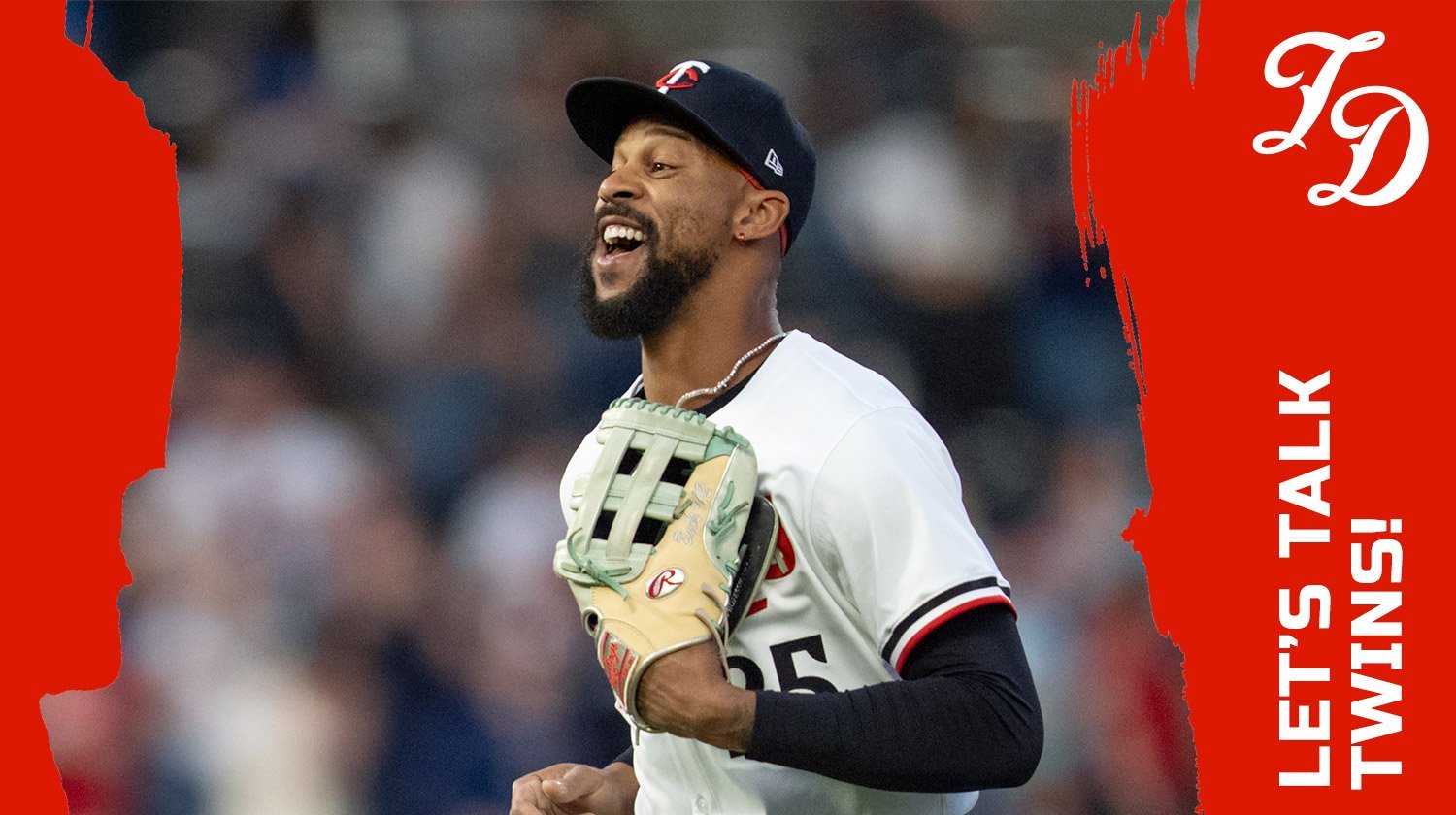
On Friday, the Minnesota Twins officially announced their first substantial acquisition of the offseason, signing Josh Bell to a one-year, $7 million contract. The switch-hitting veteran is slated to step in as the club’s primary first baseman while also mixing in at designated hitter.
Despite netting a combined -13 Outs Above Average (OAA) at first base the past two seasons, the 33-year-old’s defensive prowess shouldn’t be a meaningful concern for those who follow the club, evidenced by the Twins’ ability to maximize the positioning of their first basemen. Still, with Bell slated to start a meaningful number of games at designated hitter (leaving first base open) and the club not yet rostering a viable backup for the oft-injured Royce Lewis at third base, the Twins would be wise to actively pursue a player who could fill that void. Enter Mark Vientos.
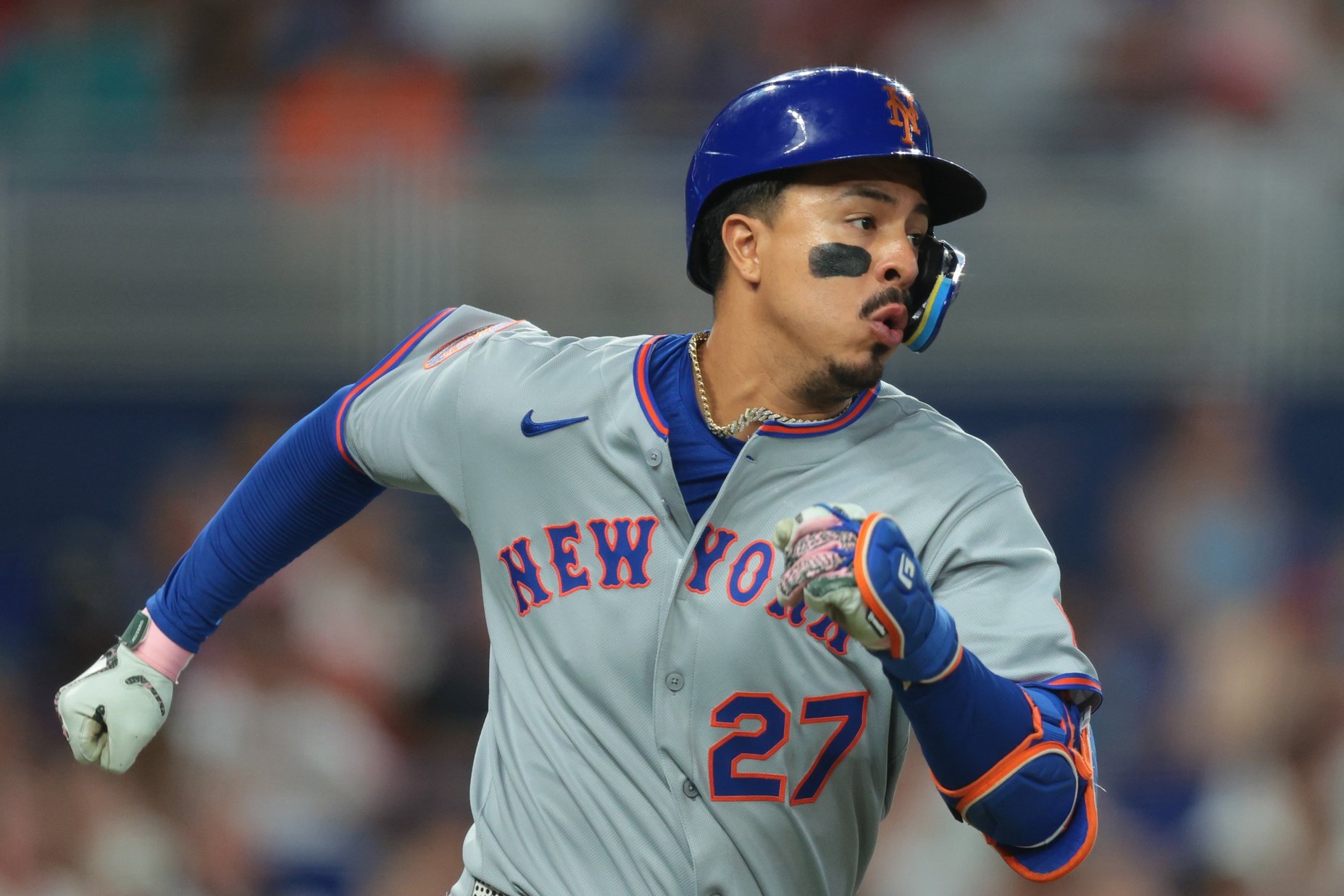
Coming off a breakout 2024 campaign wherein the then-24-year-old hit .266/.322/.516 with 27 home runs and a 132 wRC+ over 454 plate appearances, Vientos regressed last season, slashing .233/.289/.413 with 17 home runs and a below-league-average 97 wRC+. Sporting plus power with a high swing-and-miss profile, the now-26-year-old is one of the more volatile and streaky hitters in baseball. Due to his extreme fluctuation in performance (and the club’s overall dissatisfaction with its position player core), New York Mets president of baseball operations David Stearns appears to be making Vientos available in trade talks, signaling the club could soon move on from the once highly-touted corner infielder.
Vientos is a poor defensive third baseman, evidenced by his netting -7 OAA at the position last season. However, he has been serviceable at first base, posting -1 OAA over 112 innings at the position in his four-season career. Barring injury, Lewis (a plus defensive third baseman) is slated to function as Minnesota’s everyday third baseman, meaning Minnesota could shield Vientos from the position.
Yet, if Lewis were to miss extended time, Vientos could step in as his primary replacement, minimizing the offense lost in Lewis’s absence. At this point in their respective careers, Vientos is a better defensive first baseman than Bell, meaning Vientos could slot in as the club’s primary option at the position while Bell inhabits a more traditional designated hitter role. However, given Bell’s switch-hitting profile and Vientos’s platoon-proof nature, the two could function as an interchangeable first base and designated hitter tandem.
50961094-a023fa2a-ecad099a-csvm-diamondgcp-asset_1280x720_59_4000K.mp4
Despite a poor 2025 campaign from Vientos, Minnesota would still need to part ways with considerable prospect capital or MLB-ready assets to acquire the power-hitting right-handed bat’s services. New York is in dire need of MLB-ready starting pitching talent. Interestingly, that is the Twins’ greatest area of strength and depth. Twins decision-makers could reasonably send veteran starting pitcher Bailey Ober to the Mets for Vientos and a mid-tier prospect, like Boston Baro or Heriberto Rincon. If New York were more interested in long-term upside and team control, a trade package headlined by Simeon Woods Richardson for Vientos and a mid-tier prospect could also make sense.
Vientos is one of the more popular bounce-back candidates in baseball next season who perfectly fits Minnesota’s need of a right-handed hitting power bat who can play both corner infield positions while mixing in at designated hitter. He is also pre-arbitration and under team control until 2029, making him an even more enticing trade target for the salary-restricted Twins.
As mentioned earlier, Minnesota could also afford to part with one of its mid-to-late-rotation arms to acquire Vientos, further supporting the deal’s efficacy. A deal for Vientos likely wouldn’t happen before the New Year. Yet, the Mets’ young corner infielder could soon get dealt, with Minnesota arguably being the most plausible destination.