
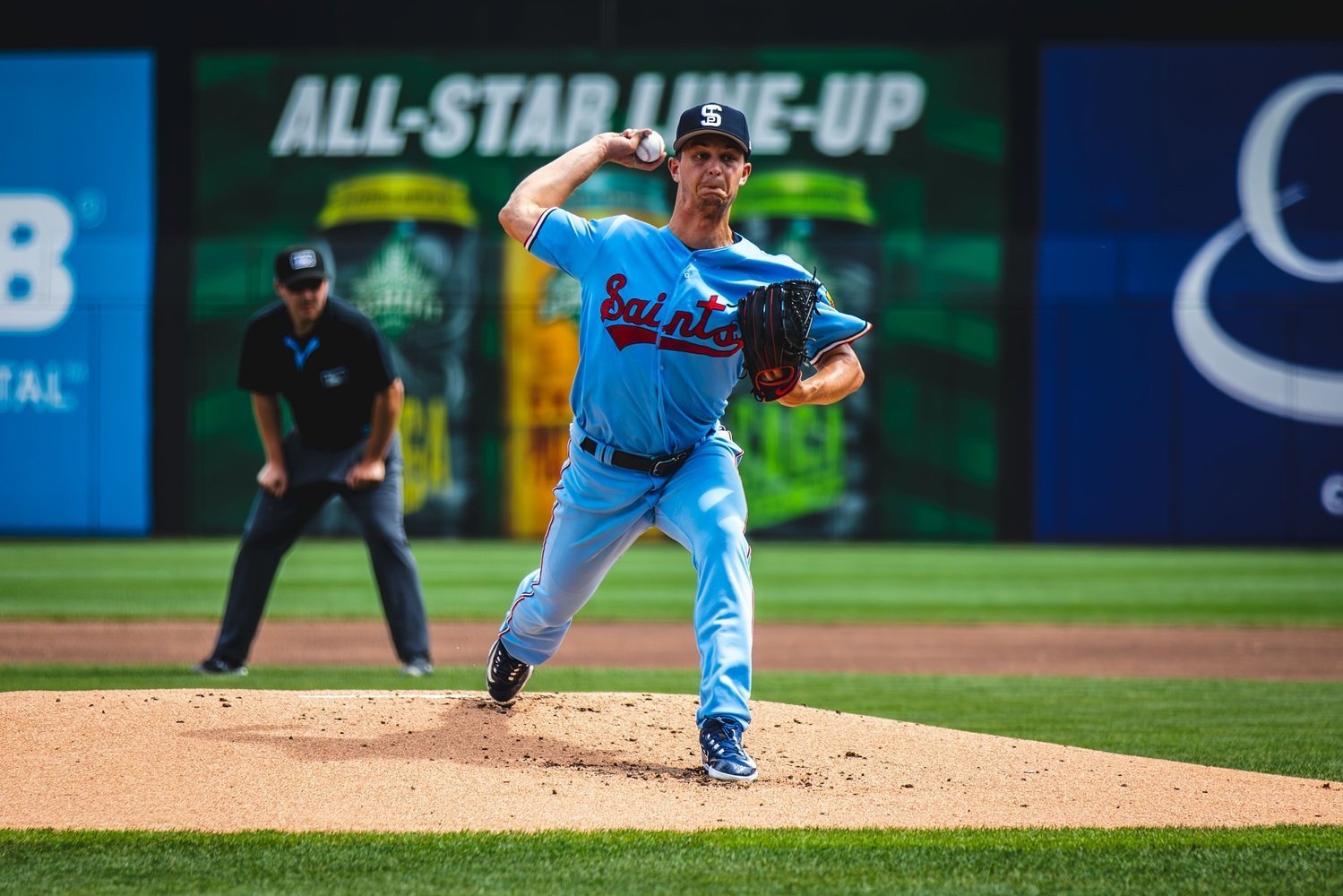
In recent weeks, MLB Pipeline has been rolling out results from a poll of executives across baseball, asking them to weigh in on a wide range of prospect-related questions. One of the more interesting categories focused on which farm systems are the most underrated. Minnesota finished tied for fifth in that poll, trailing only the Pirates, Marlins, Cubs, and Reds.
At first glance, that placement might surprise fans who have watched Minnesota’s system in recent years. But when you dig into how the Twins have found talent, developed arms, and restocked through trades, it becomes easier to see why decision-makers around the league view Minnesota as a sneakily strong organization for prospects.
Finding and Developing Sleepers
The Twins picked up several down-ballot votes in the underrated category, and much of that credit stems from their ability to identify pitchers who outperform their draft position. Minnesota has made a habit of finding college arms outside the early rounds and turning them into legitimate big-league contributors.
Bailey Ober is the most obvious example. Drafted in the 12th round in 2017, Ober lacked eye-popping velocity but showed elite command and a deceptive release. The Twins leaned into those traits, helped him add strength, and trusted his ability to miss bats at the top of the zone. The result has been a durable and effective starter who looks nothing like a late-round flier.
David Festa followed a similar path. Taken in the 13th round in 2021, Festa arrived with solid stuff but little fanfare. Minnesota worked on refining his fastball shape and sharpening his breaking pitches, and he quickly turned into one of the system’s fastest risers. Festa now profiles as a legitimate rotation option with strikeout upside, another example of development trumping draft pedigree.
Zebby Matthews may be the most impressive case study yet, as an 8th-round pick in 2022. A college pitcher with strong analytical markers but limited exposure, Matthews exploded once he entered the Twins system. Velocity gains, improved pitch design, and a clearer developmental plan turned him into one of the more intriguing pitching prospects in the organization. That kind of jump does not happen by accident, and it reinforces why the Twins are viewed as a team that finds value where others might not.
These three examples are all pitchers, so the Twins must start finding and developing sleepers on the position player side.
Best at Developing Pitchers
Minnesota likely believes this is one of its strengths, even if the on-field results have not always matched the internal confidence. Pitcher development is complicated and rarely linear, but the Twins have consistently shown the ability to add velocity to college arms once they enter the system. Ober, Festa, and Matthews are prime examples, but they are not alone. The organization has leaned heavily into modern training methods, biomechanics, and pitch design to help arms reach new ceilings.
The Twins also deserve credit for what they have done with pitchers acquired from outside the organization. Joe Ryan arrived from Tampa Bay with a strong fastball and feel for pitching, but Minnesota helped him optimize his arsenal and sequencing. Pablo López took a similar step forward after coming over from Miami, adding new wrinkles to his pitch mix and elevating his overall performance. Development does not stop once a player reaches the majors, and the Twins have shown they can still add value at that stage.
Best at Acquiring Prospects in Trades
Another area where Minnesota quietly earned recognition is in acquiring prospects through trades. Last season’s trade deadline sell-off brought in a wave of young talent, though the verdict on those deals remains years away.
Players like Eduardo Tait, Mick Abel, and Kendry Rojas now sit at various points along the development curve. How well the Twins nurture that group and (eventually) translate it into big-league production will determine whether this reputation holds. The raw materials are there, but prospect capital only matters if it turns into wins at the highest level.
There is also a looming fork in the road ahead. If the Twins continue their teardown at the 2026 trade deadline, veterans like López, Ryan, and Ryan Jeffers could bring back another haul of young talent. By next winter, Minnesota could look very different in this category, depending on how aggressively they move and how effectively they maximize returns.
For now, executives seem to believe the Twins deserve more credit than they receive. Minnesota may not always dominate the headlines with top-ranked systems. Still, the combination of sleeper finds, pitcher development, and opportunistic trading explains why the organization continues to be viewed as one of baseball’s most underrated farms.
How do you feel the Twins rate in the categories mentioned above? Are the Twins one of baseball’s most underrated farm systems? Leave a comment and start the discussion.
Interested in learning more about the Minnesota Twins’ top prospects? Check out our comprehensive top prospects list that includes up-to-date stats, articles and videos about every prospect, scouting reports, and more!