
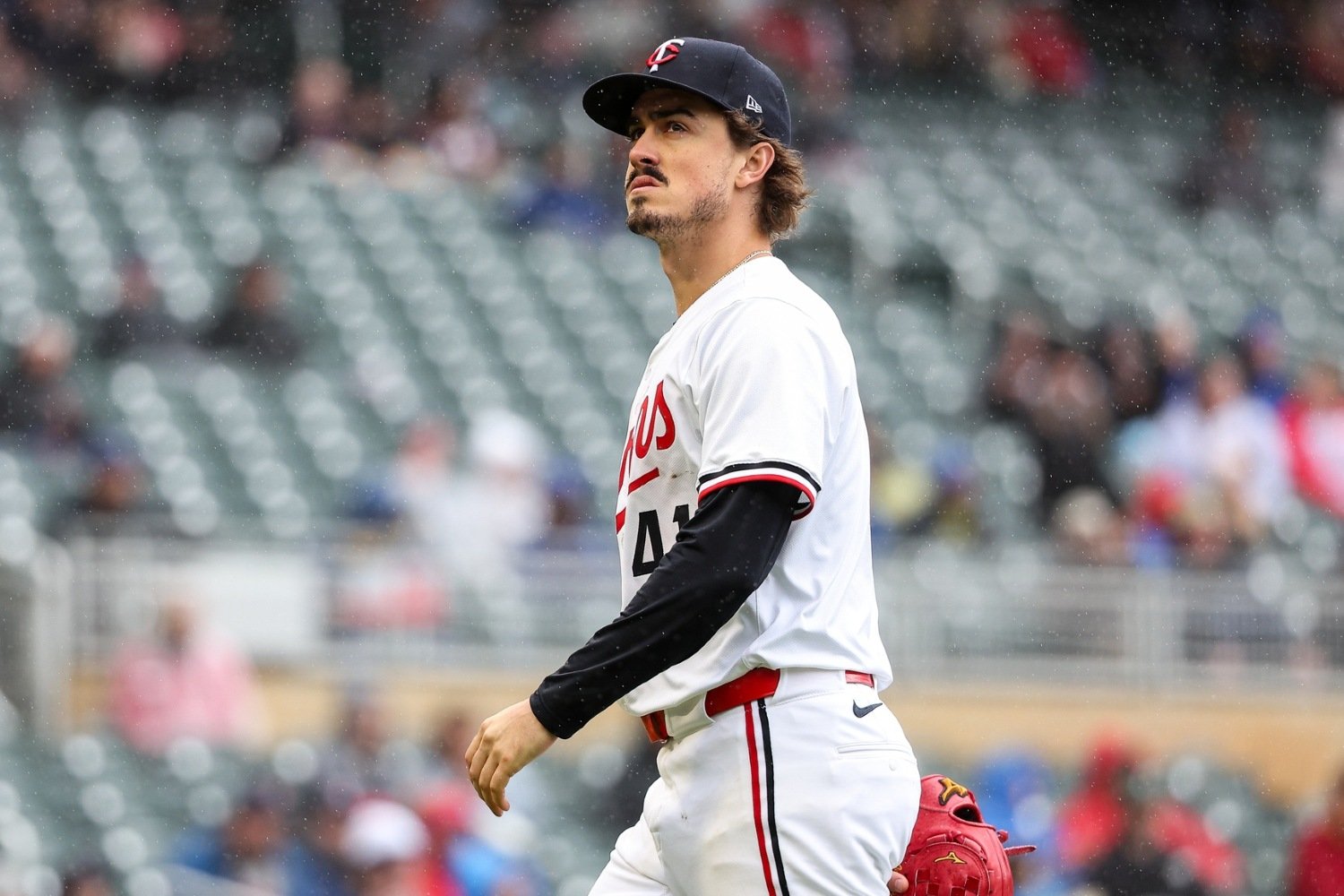
The Twins and righthander Joe Ryan agreed to a one-year deal to avoid arbitration Monday, according to Jon Heyman of the New York Post. Ryan will earn $6.1 million in 2026, and the Twins hold a $13-million club option for 2027, with a $100,000 buyout. The $6.1 million figure is the midpoint between the figures filed by the two sides earlier this month, when Ryan asked for $6.35 million and the Twins countered with $5.85 million. The deal doesn’t extend Minnesota’s term of team control, which would have ended after 2027, anyway. It’s just the result of Minnesota pulling the ripcord to avoid a needlessly damaging arbitration hearing.
Because the whole league takes the job of suppressing player salaries seriously, there’s meaningful pressure on every front office in MLB to adopt a “file-and-trial” policy when it comes to arbitration. The term refers to the fact that, by a given deadline in the middle of January each year, teams and players must either agree to terms to avoid arbitration or file official proposed salaries for the player in the coming season. After that filing period, teams who hew to “file-and-trial” refuse to settle on one-year deals. It’s a hardline tactic designed to bend players toward teams’ desired salaries for them, but it’s also become a way that teams subtly hold one another to account. Other teams and the league’s central office watch and tut disapprovingly about settlements after the filing date but before hearings, because they compromise the notion of “file-and-trial” and weaken the leverage teams try to establish by setting that policy.
To save face, when a team (usually, it’s the team, because the player was generally more willing to settle near the midpoint in the first place) wants to avoid a hearing, they set up a deal like this one. Technically, the Twins have cost certainty on Ryan for 2027, now. He can’t earn more than $13 million, because if he has a good enough year to be in position to do so, the Twins will pick up the option. That’s unlikely, though. Ryan’s platform earnings (this year’s $6.1 million) will probably keep his earning power for 2027 to the $12-million range, which would make declining the option and paying the $100,000 buyout a no-brainer.
Although part of a boring aspect of baseball, this particular process is funny. When teams and players fall together on a deal like this, it’s worth a chuckle. Without technically buckling the fragile, largely fake leverage lattice that is “file-and-trial”, these deals give the lie to the whole thing. Yes, technically, the Twins have agreed to a multi-year deal with Ryan, because they gained an option for next year. The odds that that option will be exercised are intentionally low, though. This is, essentially, the Twins paying Ryan $6.2 million for 2026. It’s them admitting that a hearing would not only have made Ryan angry with the team over a small amount of money (in baseball terms), but likely have resulted in Ryan winning.
The Brewers strike these kinds of deals fairly often. They did it with William Contreras late last January, after he’d filed for $6.5 million and they’d countered with $5.6 million. The deal paid him $6 million in 2025, with a club option for $12 million in 2026. They declined that option in November, paying him another $100,000, and he’ll make less than $10 million this season. It was the same copout. Teams want to maintain the facade of being hardliners, but they don’t want to actually go to arbitration any more than they used to. Nor do players like that experience. This works out on both sides; it just comes with some negotiation theater.
Ryan will be eminently tradable under the terms of this deal, if it comes to that. In the happy event that he’s still a Twin in November, the option will probably be declined, and Ryan and the Twins can do this dance again next January—or whenever the likely offseason lockout is resolved. For now, the sides have avoided the needless headache of a hearing next month, and Ryan can focus on baseball as he gets ready to report to spring training.