
Just 13 months after its precursor officially emerged from bankruptcy, time is running out for Main Street Sports. A cash crunch and the flight of nine MLB partners has put the owner/operator of the FanDuel-branded RSNs on a collision course with insolvency.
As Main Street execs scramble for a financial lifeline, it appears increasingly unlikely the company will be able to secure a game-saving infusion of cash before an in-house deadline of Feb. 1. While the date isn’t necessarily binding—the discretionary target may present an opportunity for Main Street to continue its fundraising efforts into next week—the situation is a source of great concern for the 29 MLB, NBA and NHL franchises whose local TV rights are tied to the RSN group.
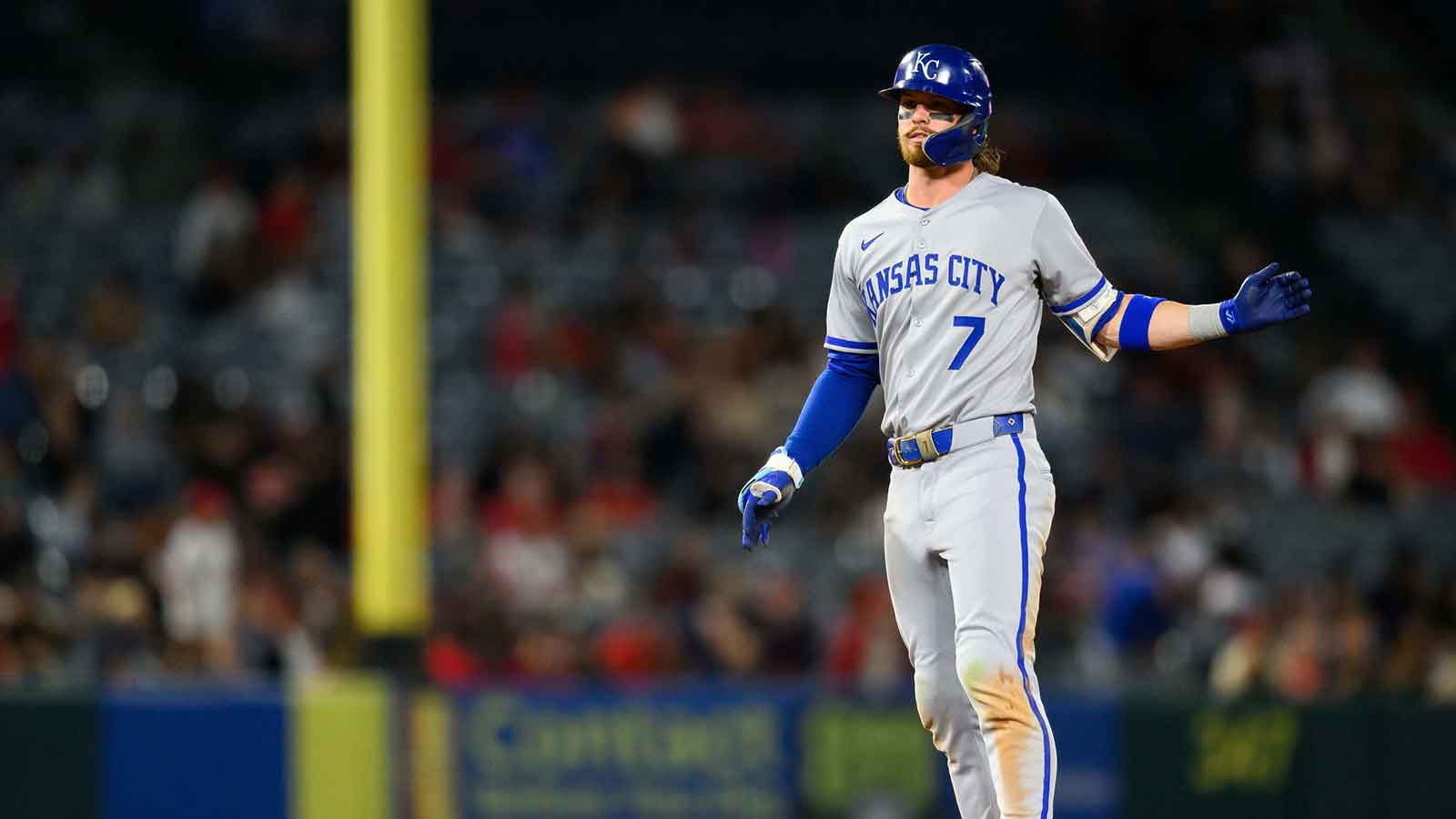
While there’s been some chatter about the possibility of a zero-hour reprieve, as talks with potential investors are ongoing, the recent cancellation of the nine MLB contracts is said to have made the unmistakable sound of the other shoe dropping. On Jan. 8, the Atlanta Braves, Cincinnati Reds, Detroit Tigers, Kansas City Royals, Los Angeles Angels, Miami Marlins, Milwaukee Brewers, St. Louis Cardinals and Tampa Bay Rays terminated their legacy deals with Main Street, a split precipitated by a series of missed payments.
Some of the teams are said to have entertained the notion of reuniting with Main Street in the event it can cut a deal with an investor/buyer, but with pitchers and catchers due to report for the first of their spring workouts in three weeks, time is tight. On the most quotidian level, advertising commitments must be procured ahead of the 2026 MLB campaign, and while many sponsors have multiyear deals in place, the RSNs cannot afford to stagger into the coming baseball season with anything less than a 90% sell-through rate.
Earlier this month, MLB commissioner Rob Manfred said the league would backstop the teams that elected to cut ties with their RSNs. “We are prepared,” Manfred said. “Even if all nine end up without an alternative, MLB will have them. They will be available on cable in the markets, and there will be a digital alternative.”
MLB’s in-house media arm currently handles local TV and streaming distribution for seven clubs: the Arizona Diamondbacks, Cleveland Guardians, Colorado Rockies, Minnesota Twins, San Diego Padres, Seattle Mariners and Washington Nationals. While the prospect of taking responsibility for another nine teams isn’t necessarily ideal, MLB has the infrastructure in place to provide a seamless transition. (Any such emergency measures would be temporary, as Manfred plans to bring MLB’s local rights to market ahead of the expiration of its national deals in 2028.)
“No matter what happens, Major League Baseball is in a position to put all of the games on locally and to make a digital streaming product available in-market for those fans,” Manfred said a few weeks ago. “They will never miss a game.”
Barring a last-minute reprieve, Main Street could find itself in full-on liquidation mode as early as next week—or well into the second halves of the current NBA and NHL seasons. The NBA is said to have begun war-gaming for such a scenario even before Main Street missed payments to a number of its teams at the top of the year, while the NHL also has fleshed out a backup plan. Both leagues are eyeing a mix of in-market TV arrangements with local station owners and streaming via their respective subscription platforms.
Unlike the Diamond Sports Group bankruptcy saga, which spanned 20 months and erased more than $9 billion in debt, another drawn-out reorganization effort isn’t in the cards for Main Street. Should the company fail to find a buyer, the next stop is Chapter 7.
Unfortunately for the RSNs and the teams under contract to Main Street, the endemic conditions that derailed Diamond haven’t abated. Subscribers continue to flee the legacy pay-TV bundle, and at last count the total number of U.S. homes paying for a traditional cable/satellite package had fallen to 43.2 million, bringing penetration down to just 34%. Even when virtual MVPDs are thrown in along with the old-school providers, the overall tally (64.8 million subs) represents just 51% of homes that use television.
As it happens, the Diamond court proceedings made it clear that a post-reorg cash crunch was all but inevitable. In one projection, Diamond estimated that total linear TV revenue would decline 19% in 2025 from $2.17 billion to $1.75 billion, while this year’s haul was expected to drop to $1.65 billion. According to an unaudited projected income statement filed in April 2024 with the U.S. Bankruptcy Court in Houston, Diamond anticipated that carriage fees would plummet 28% in the next two years, resulting in a net loss of $498 million in distribution revenue.
In spite of that steady drumbeat of subscriber churn, the FanDuel RSNs in 2025 saw their MLB ratings improve by 18%, with in-game coverage averaging 1.5 million viewers across all platforms. Per internal Main Street estimates, MLB games last season accounted for more than 2.8 billion minutes of consumption, good for twice the engagement earned in 2024.
The fact that MLB deliveries grew in the face of the steady exodus from the pay-TV model certainly would seem to indicate that sports fans are keeping the bundle from disintegrating altogether, but that and $3 gets you a ride on the F train. When cable was at the height of its powers in 2010, approximately 105 million Americans bought into the bundle. But for ESPN, the RSNs commanded the highest carriage fees on the dial; thus, tens of millions of consumers who only flipped past their local RSN while on their way to a non-sports destination were passively subsidizing the channels they never watched.
But that was 16 years ago, an eternity in media time. Unless a deep-pocketed savior arrives within the next couple of days, the Main Street RSNs are about to go the way of the infield shift.