
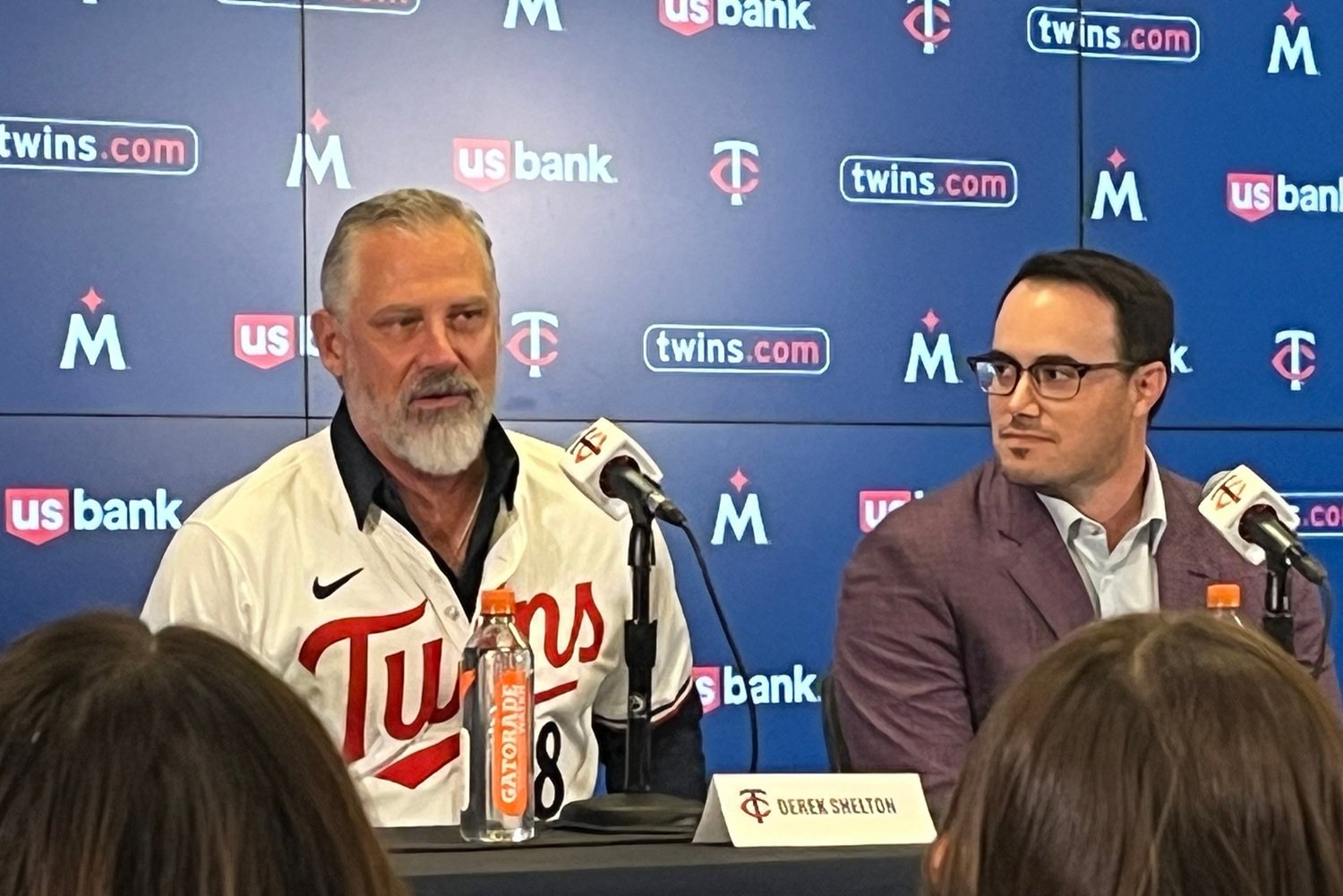
The Minnesota Twins officially turned the page on their front office leadership on Friday. Derek Falvey and the organization agreed to mutually part ways, ending an era defined by significant highs and lows. In his place, Jeremy Zoll has been elevated to lead baseball operations, while Tom Pohlad will take on interim oversight of the business side.
For those who have followed the Twins closely over the last several seasons, Zoll’s promotion feels less like a surprise and more like a continuation. His fingerprints have been all over the organization’s player development gains, and his rise reflects a belief that the next phase of competitiveness will come from within.
Zoll’s Professional Climb
Zoll joined the Twins in 2018, arriving from the Los Angeles Dodgers with a reputation as a sharp development mind and a strong collaborator. Prior to that, he began his career with the Los Angeles Angels in scouting and development roles, giving him early exposure to multiple organizational philosophies. Those experiences helped shape a well-rounded approach that blends traditional evaluation with modern infrastructure.
His time with the Dodgers proved formative. Working within one of baseball’s most respected farm systems, Zoll was involved in individualized player plans, experimental development programs, and close coordination with research and development staff. That background translated smoothly to Minnesota, where the farm system needed both clarity and cohesion.
Zoll initially served as the Twins’ Director of Minor League Operations, then spent five seasons as an Assistant General Manager. He’s entering his ninth year with the Twins, steadily gaining responsibility and trust along the way. His promotion to General Manager in November of 2024 when Thad Levine left the team signaled that the organization valued continuity and internal growth.
Rebuilding the Pipeline
When Zoll arrived, the Twins’ farm system lacked a consistent identity. Development processes varied by level, and the path from draft day to Target Field was not always clear. Zoll helped change that. Alongside leaders like Dr Chris Camp, he emphasized performance science, clearer communication, and stronger alignment between coaching staffs and analysts.
The result has been a steady stream of impact talent reaching the major leagues. Royce Lewis, Luke Keaschall, Brooks Lee, and Matt Wallner were all high draft picks who matriculated to the big-leagues with varied levels of success. On the pitching side, arms like Bailey Ober, David Festa, and Zebby Matthews highlight the organization’s ability to find value beyond the top rounds of the draft. For a franchise that cannot rely on aggressive spending, those wins matter.
Zoll’s influence has not been limited to names on a prospect list. He helped modernize how the Twins teach mechanics, manage workloads, and tailor development plans to individual players. Biomechanics, video analysis, and data-driven feedback are now standard tools throughout the system, not add-ons.
A Philosophy That Fits the Market
Zoll’s background positions him well for the realities of the Twins’ payroll structure. His approach prioritizes depth, flexibility, and internal options, thereby reducing the need for costly external fixes. He’s been active on the fringes of the Twins roster over the last two offseasons, with success stories that include Harrison Bader and Danny Coulombe.
After last season’s trade deadline selloff, ironically orchestrated by Falvey, the Twins have one of baseball’s highest-ranked minor league systems. Minnesota’s top prospects, like Walker Jenkins, Kaelen Culpepper, Emmanuel Rodriguez, and Connor Prielipp, are all on the cusp of the big leagues with a chance to impact 2026 and beyond. However, it will be multiple years before fans know if last season’s trade deadline was successful for the organization.
Equally important is his collaborative style. Player development, analytics, medical, and coaching staffs are expected to operate as one ecosystem. That mindset is likely to define how baseball operations function moving forward.
Turning the Page
Falvey’s departure marks a clear transition point, but it does not signal a teardown of philosophy. Instead, the Twins are doubling down on an identity that has slowly taken shape over the past several seasons. Zoll represents that identity perhaps more clearly than anyone else in the organization.
This is a bet on continuity, development, and patience. It is also a bet that the next competitive Twins core will be built largely by the people already in-house. As Zoll takes the reins, the direction is clear even if the outcomes remain uncertain.
What are your initial thoughts on Zoll’s promotion and Falvey’s exit? Leave a comment and start the discussion.