
Add Masataka Yoshida to the list of Boston Red Sox who will participate in next month’s World Baseball Classic.
Yoshida, 32, made the announcement on Instagram early Wednesday morning.
“Thanks to everybody’s continued support, I’ve been given the opportunity to wear the “Samurai Japan” jersey once again,” Yoshida captioned the post, which contained two photos from the last World Baseball Classic, in 2023. “I’ll embrace this responsibility and pride and give my all out there.”
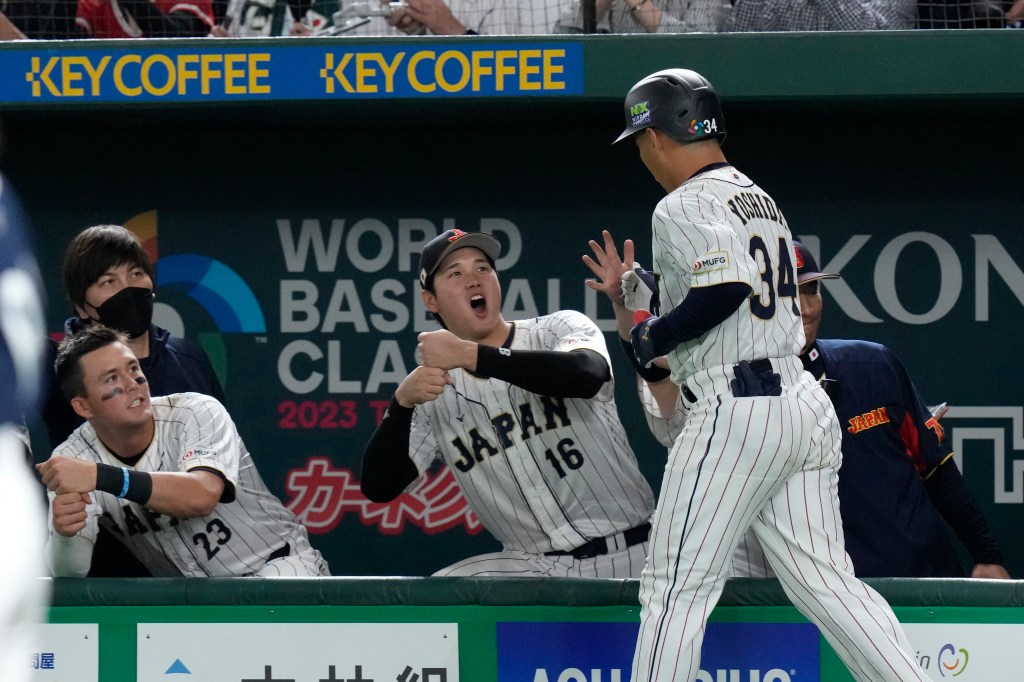
The last tournament culminated in an electric finale between Japan and the U.S. Yoshida’s 13 RBI set a World Baseball Classic record and helped Japan take home the gold.
His clutch factor was briefly on display during Boston’s one-round postseason run last October. Pinch-hitting in the seventh inning of Game 1 of the Wild Card series, the first MLB postseason at-bat of his career, Yoshida belted a go-ahead two-run single up the middle. The Red Sox won 3-1.
Yet even that at-bat was a reminder of Yoshida’s undetermined status with the team. In the third season of a five-year, $90 million contract, he did not start the first two games of that three-game series.
This is how it’s gone for Yoshida since early in the 2024 season, when a shoulder injury took him out of left field and into the designated hitter role; his 163 games played since Opening Day that year, include just seven in the outfield.
Last February, the signing of Alex Bregman and subsequent reassignment of Rafael Devers to designated hitter created a positional roadblock for Yoshida as he neared a return from offseason shoulder surgery. The Red Sox partially resolved that situation by trading Devers in June, only to recreate it this offseason when they traded for St. Louis Cardinals first baseman Willson Contreras. Contreras is one of several players the team would like to get DH opportunities, which would leave Yoshida on the bench.
Thus, on the cusp of Year 4, Yoshida is again in the unfortunate position of making it difficult for the Red Sox to maximize their roster. (Inadvertently so, of course, as roster construction is not his job.)
The Red Sox could trade Yoshida, something they have discussed for over a year. Doing so would require paying a portion of his $18.6 million salary for each of the next two seasons and bundling him with at least one enticing top prospect. They could also trade from their large, disjointed position-player group, which is heavy on lefty hitters and light on reliable infielders.
Or they can wait and see. Injuries are inevitable over the course of the long MLB season, and often overcrowding issues work themselves out.
For now, spring training is less than a week away and Yoshida’s most concrete plans for 2026 have nothing to do with the Red Sox.