
With the organization currently up for sale, ownership has shown no willingness to increase payroll beyond last season’s level, limiting the Padres to minor league signings and low-cost depth moves.
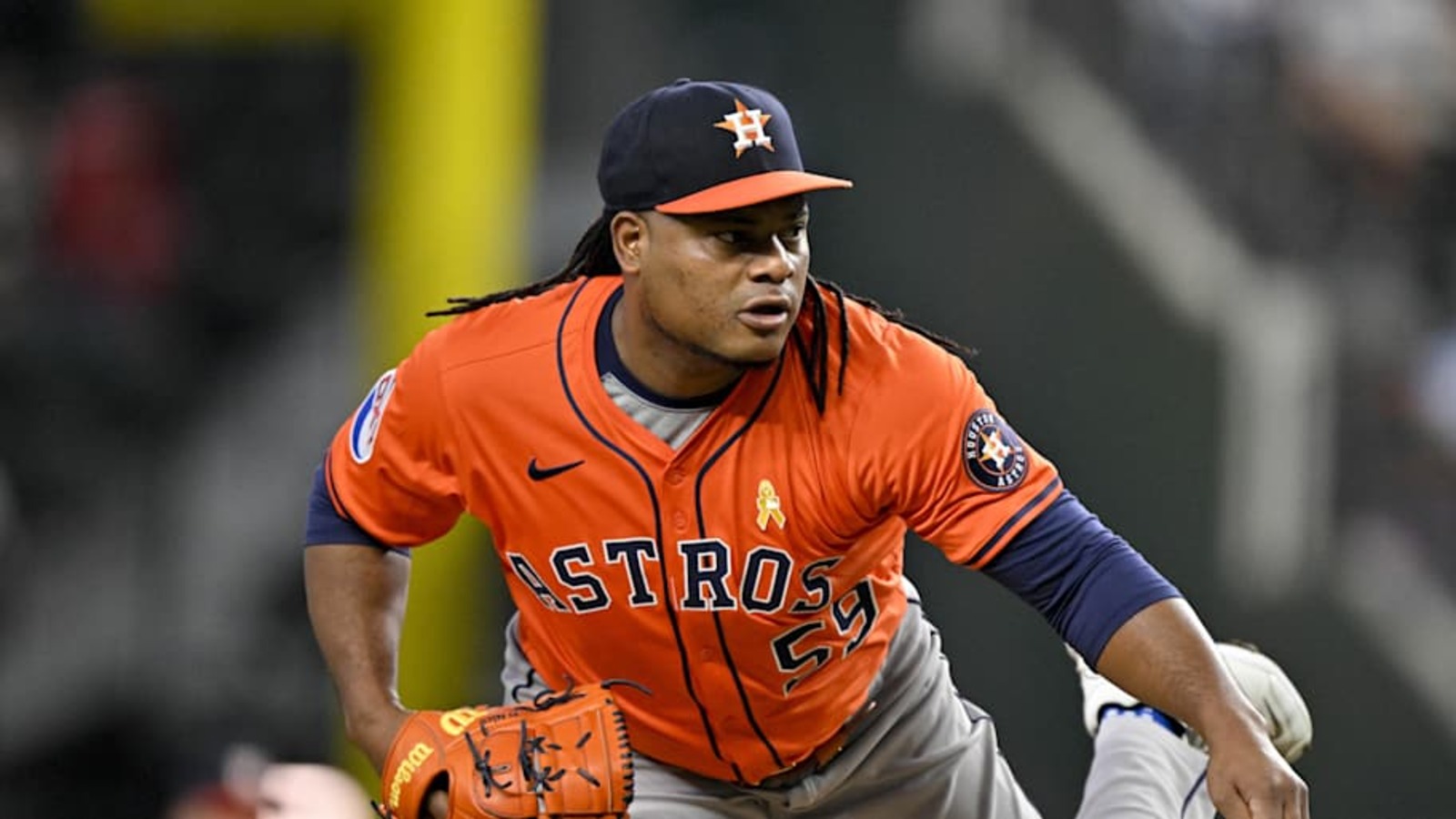
Losing Valdez clouds an already concerning rotation outlook for 2026. The projected staff is heavily right-handed, with Michael King, Nick Pivetta, Joe Musgrove and Randy Vásquez occupying the top four spots. J.P. Sears could provide some balance as a left-hander in the No. 5 role, but he is coming off a season in which both his ERA and FIP finished north of 5.00.
There is a silver lining, however.
The Padres never truly had a path to signing Valdez. As of this weekend, it was understood internally that San Diego would need to shed salary before finalizing any deal. General manager A.J. Preller was unable to find a crafty way to create that flexibility, making Valdez’s $40 million AVA contract an unrealistic option
From a very glass-half-full perspective, there is some relief in that he will remain in the American League.
The Padres’ offseason has already been disastrous, and it feels as though nearly every National League contender has improved while San Diego has stood still. The Dodgers, Diamondbacks, Giants, Cubs, Reds, Pirates, Mets, Braves and Phillies all made significant additions this winter. At the very least, Valdez will not be bolstering a rival rotation.
The most encouraging takeaway from Valdez’s signing is that the pitching market should finally begin to move in the Padres’ direction. Arms in San Diego’s price range – including Justin Verlander, Nick Martinez and Lucas Giolito – remain available and could provide much-needed reinforcements.
Until that addition arrives, Padres fans are left watching as other teams continue to improve. The hope is that the Valdez deal signals the start of a movement that finally allows San Diego to make meaningful moves.