
A Dick Howser Trophy and Golden Spikes Award. The second overall pick who became the Minor League Player of the Year. A National League Rookie of the Year, MVP, and curse-busting World Series champion.
Kris Bryant accomplished all of that within a four-year span, by the time he was 24 years old. He was the golden child, the chosen one. The man who delivered the Chicago Cubs from the depths of championship purgatory to the promised land. That 2016 season, in particular, was something special, as Bryant led the senior circuit in WAR (7.3) and runs scored (121), hitting 39 home runs and posting a .939 OPS for good measure. He was just as valuable in the postseason, slashing .308/.400/.523 on the way to the team’s World Series victory.
For a fuller look at Bryant’s career before and during his tenure with the Cubs, I encourage you to look at our Player’s Project biography of him. Today, we’re here to focus on what has transpired since he was sent to the San Francisco Giants at the 2021 trade deadline in exchange for Alexander Canario and Caleb Killian.
That trade was one of many made during the Great Chicago Fire Sale of 2021, though by that time, a lot of the shine had worn off on Bryant. Injuries and failed contract negotiations robbed him of some of the luster that once made him so legendary, and by the time he was sent on his way to the Bay Area, most fans were already numb from trades involving Anthony Rizzo, Javier Báez, and other members of the 2016 core.
For what it’s worth, Bryant more or less lived up to his billing with the Giants, posting a 113 wRC+ in the middle of the lineup. By some miracle, San Francisco rode their veteran core to 107 wins, outlasting the Los Angeles Dodgers in the regular season and breaking up their NL West reign of terror. That 2021 division title is the only one the Dodgers haven’t won since 2012.
Once his new team fell in Game 5 of the NLDS (to the Dodgers), Bryant became a free agent for the first time in his career, arguably a year later than he should have given the Cubs’ not-so-subtle manipulation of his service time back in 2015. That lost year didn’t end up mattering much, as he found a seven-year, $182 million deal with the Colorado Rockies. It was a bizarre turn of events after the Rockies had traded franchise third baseman Nolan Arenado to St. Louis less than a year earlier, but it at least suggested that the franchise wasn’t interested in being the runt of the NL West litter.
Unfortunately for both Bryant and Colorado, the deal has flamed out in historic fashion. The Rockies — who last appeared in the playoffs in 2018, when they knocked out Bryant’s Cubs in the NL Wild Card Game — haven’t won more than 68 games in any of the four seasons that the former champ has spent with them. They’ve finished last in the division in each campaign, and are currently rocking a streak of three consecutive 100-loss seasons that would go down in the infamy of ineptitude had it not directly clashed with the somehow-more-disastrous stretch the Chicago White Sox find themselves mired in.
Bryant, of course, isn’t directly responsible for the gross mismanagement of the franchise. His onerous contract remains the largest one on their books, but the front office has been so incompetent for so long that they are now being replaced by Paul DePodesta of both Moneyball and Cleveland Browns fame. The Rockies are simply the most irrelevant team in baseball, a painful truth that Bryant was supposed to help alleviate.
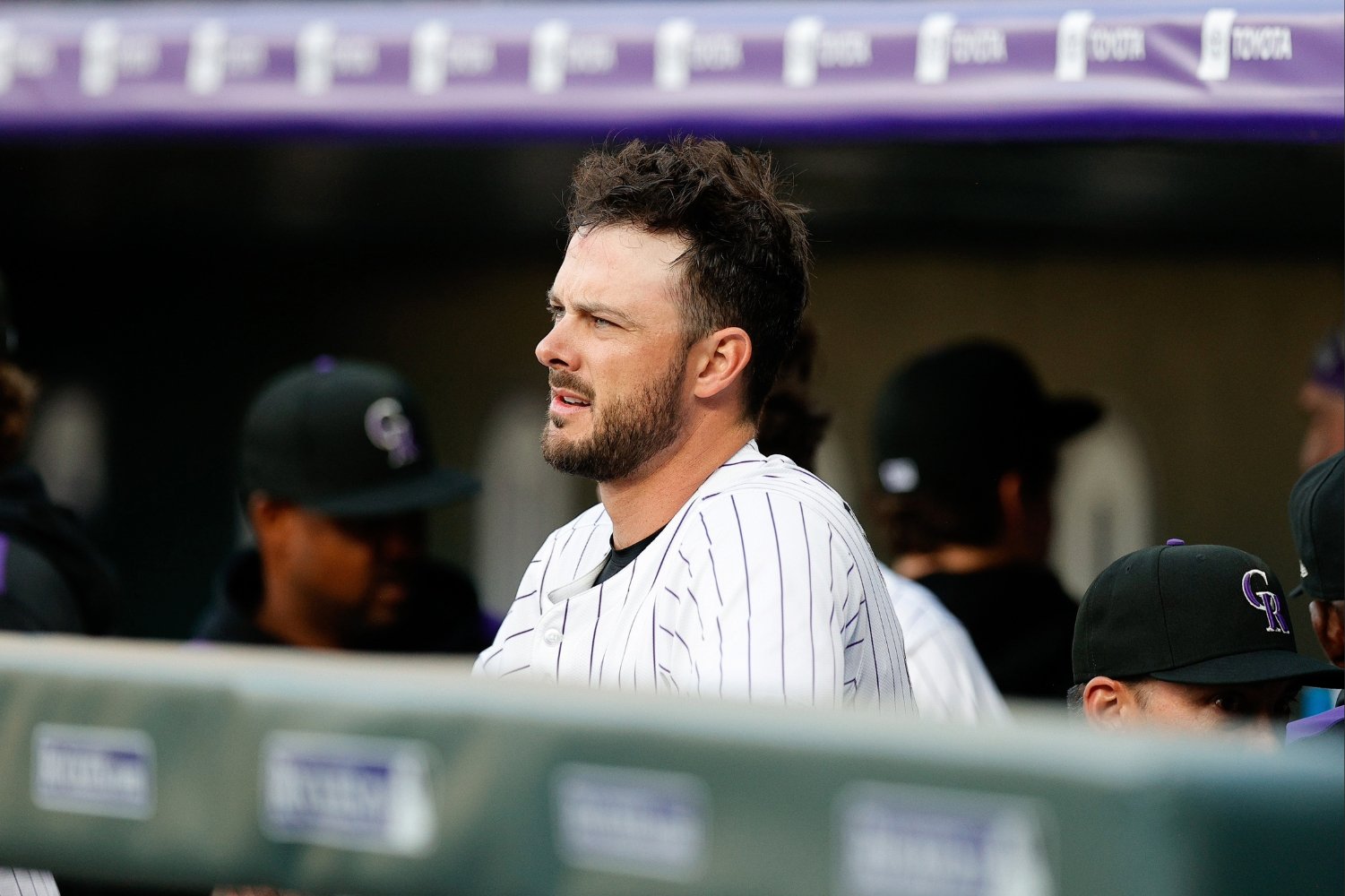
But pain is really the only thing that’s been true about the 34-year-old’s tenure in Colorado. A degenerative lumbar disc disease (lower back) has all but sapped his effectiveness on the field, and more often than not held him off of it. He’s played in 170 games out of a possible 648 since joining the Rockies, and he’s not going to improve that percentage any time soon.
Bryant hasn’t played in more than 80 games in any of his four campaigns since joining the Rockies. He’s been worth -1.6 bWAR (-1.9 fWAR) in his time on the field. It’s hard not to feel overwhelming sympathy for him — he told the Denver Post after last season that his chronic back issues affect his daily life off the baseball field as well — but he also isn’t willing to contemplate retirement. Since 2022, he’s missed time due to back, foot, glute, heel, finger, rib, and lumbar injuries. His whole body seems to be failing him at this point.
With just three years (and $81 million) remaining on his contract, there’s almost no way Bryant can make up for so much lost time. Much like the White Sox’s struggles masking what has plagued the Rockies, Anthony Rendon‘s contract has shielded the former Cubs legend from most worst-contract-in-baseball discussions. But now that the Angels have bought that deal out, it’s almost impossible to suggest that anyone is less deserving of the money he’s being paid than Bryant.
Is this really how his story ends? One of the great young players in the history of baseball fading into injury-fueled obscurity in Colorado? Reconciling this battered and bruised version of him with the 24-year-old MVP who broke the greatest drought in sports isn’t feasible. It’s practically like discussing two different players.
His health is most important, and his legacy in Chicago was secured on Nov. 2, 2016. With any luck, he’ll be able to add a little bit to his ledger before he has to call it quits. But luck isn’t the only thing that appears to have escaped him since he put pen to paper on his current contract.