
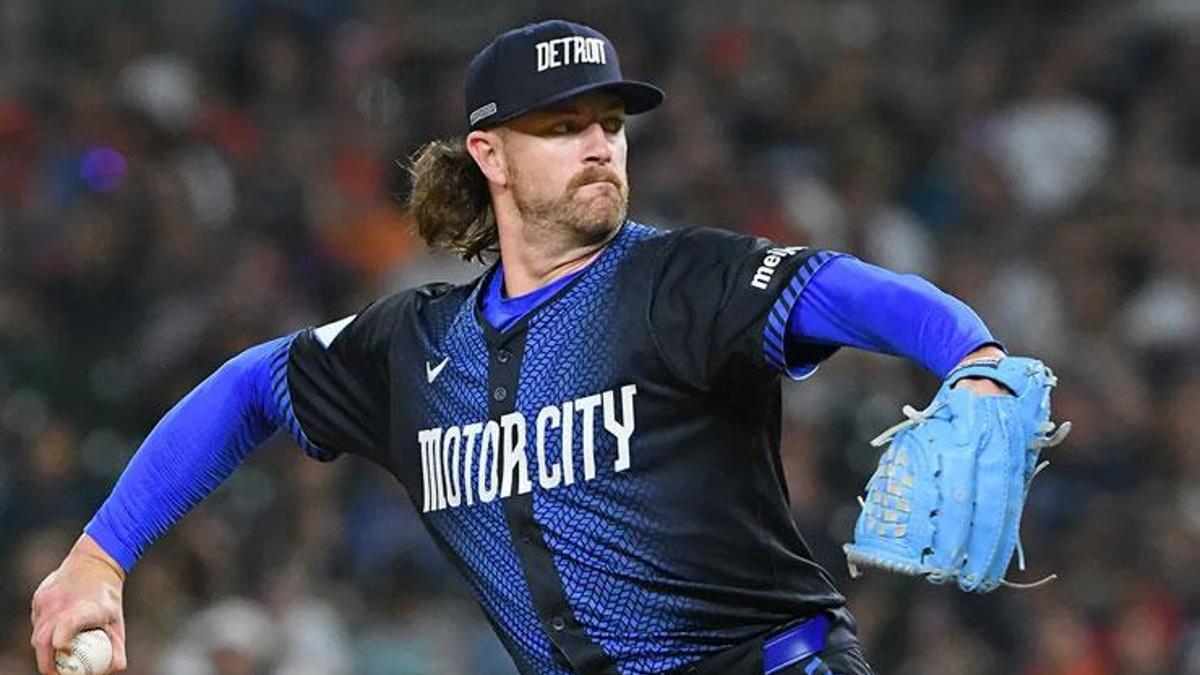
To create room for Paddack on the forty-man roster, the Marlins placed right-handed reliever Ronny Henriquez on the sixty-day injured list. Henriquez is expected to miss the entire twenty-twenty-six campaign after undergoing surgery on his right elbow this past December. Paddack’s arrival follows the recent trades of Edward Cabrera and Ryan Weathers, highlighting the front office’s strategy to acquire affordable veteran depth as they prepare for the rigors of the upcoming season.
Reclaiming Form After a Difficult Journey
Paddack’s return to Miami comes after a challenging twenty-twenty-five season where he split time between the Minnesota Twins and the Detroit Tigers. During that campaign, the right-hander posted a five point three five earned run average over thirty-three appearances, though he did manage to log a career-high one hundred fifty-eight innings. While his strikeout rates have dipped in recent years, Paddack’s primary strength remains his exceptional control, as he has never walked more than six percent of the batters he has faced in a single season.
Pitching at loanDepot Park is expected to benefit Paddack, whose fly-ball tendencies often led to home run issues in more hitter-friendly environments. The Marlins’ coaching staff is reportedly focused on helping him refine his changeup, a pitch that was once considered among the best in the league during his standout rookie season with the Padres. If he can recapture the movement on his secondary offerings, Paddack has the potential to serve as a reliable mid-rotation anchor for a team looking to defy low preseason expectations.
Competition for the Final Rotation Spot
As spring training approaches, Paddack is projected to compete for the fifth spot in the starting rotation under new manager Clayton McCullough. He joins a staff led by former Cy Young winner Sandy Alcantara and young phenomenon Eury Perez, with Max Meyer and Braxton Garrett also expected to play significant roles. The addition of Paddack provides a veteran insurance policy, allowing the Marlins to be more patient with the development of top pitching prospects like Robby Snelling and Thomas White.
Team analysts suggest that Paddack’s experience in high-pressure situations will be invaluable for a clubhouse that features several young arms. His familiarity with the grind of a full season and his willingness to attack the strike zone provide a level of predictability that the Marlins lacked at the back end of their rotation last year. The battle for the final starting spots in Jupiter is now one of the most anticipated storylines for the club as they look to build a cohesive pitching staff.
The Financial Landscape of the Marlins’ Rotation
The four million dollar guarantee for Paddack is a significant investment for a Marlins team that currently projects to have one of the lowest payrolls in the major leagues. By opting for a one-year “prove-it” deal, the front office has maintained financial flexibility while addressing an immediate need for innings. This move mirrors the club’s successful acquisition of Cal Quantrill in the previous season, suggesting a clear pattern in how the organization values affordable veteran starters with a history of strike-zone command.
The signing brings Miami’s total estimated payroll to approximately seventy-two million dollars, a slight increase from their opening day mark a year ago. Despite the limited spending compared to their division rivals, the Marlins have remained aggressive in the trade and free-agent markets for specific, high-upside targets. Supporters are hopeful that this investment in Paddack will pay dividends if he can stabilize his performance and provide the quantity of starts necessary to keep the bullpen fresh.
A Career Defined by Resilience and Change
Paddack’s career has been a rollercoaster of early success and subsequent injury hurdles, including two Tommy John surgeries that sidelined him during his peaks. After a dominant twenty-nineteen rookie campaign where he finished with a three point three three earned run average, his trajectory was altered by elbow issues that required extensive rehabilitation. His return to health in twenty-twenty-five was a major milestone, proving that his arm can still handle a heavy workload despite the previous setbacks.
The move back to Florida represents a fresh start for the man often nicknamed “The Sheriff” for his intense mound presence and signature cowboy hat. For Paddack, the opportunity to play for the team that first believed in his talent offers a poetic symmetry to his professional life. As he prepares to report to camp, he is focused on proving that his best days are not behind him and that he can be a vital part of a Marlins rotation aiming for a surprise postseason run.
Finalizing the Roster for Spring Training
With the Paddack deal official, the Marlins have nearly finalized their primary roster components heading into the middle of February. The front office has indicated that while they are satisfied with their current depth, they will continue to monitor the market for late-offseason bargains that could further strengthen their bench or relief corps. The focus now shifts to the physical health of the returning starters, as the team looks to ensure that Alcantara and Perez are fully ready for the demands of the long summer.
The addition of Paddack effectively closes the door on any major rotation acquisitions before the start of the season. His presence allows the team to focus on defensive alignments and offensive consistency, knowing they have a veteran arm capable of eating innings at the back of the staff. As the baseball world descends upon Florida for spring training, the “return of the prospect” will be a central theme for a Marlins squad hungry to make some noise in the National League East.